
Last updated November 25, 2026
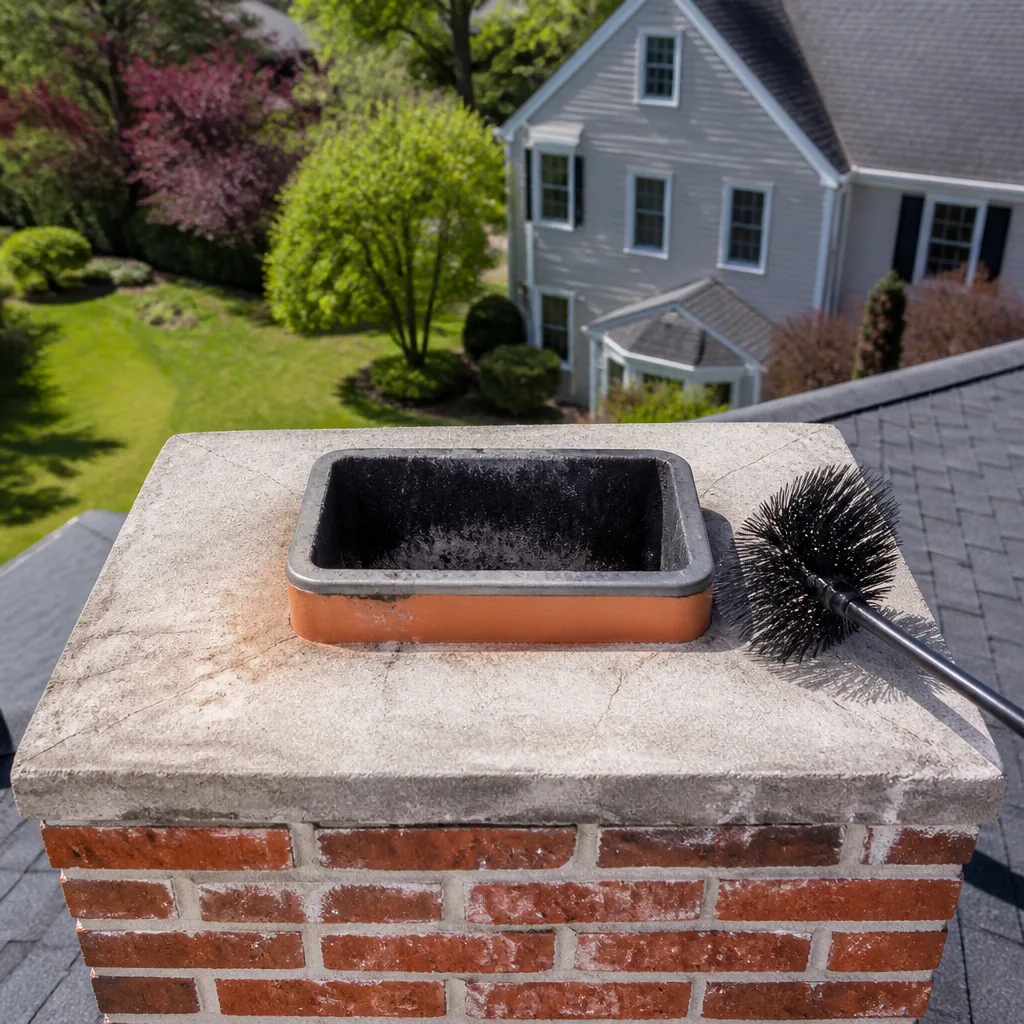 Sweep & inspection
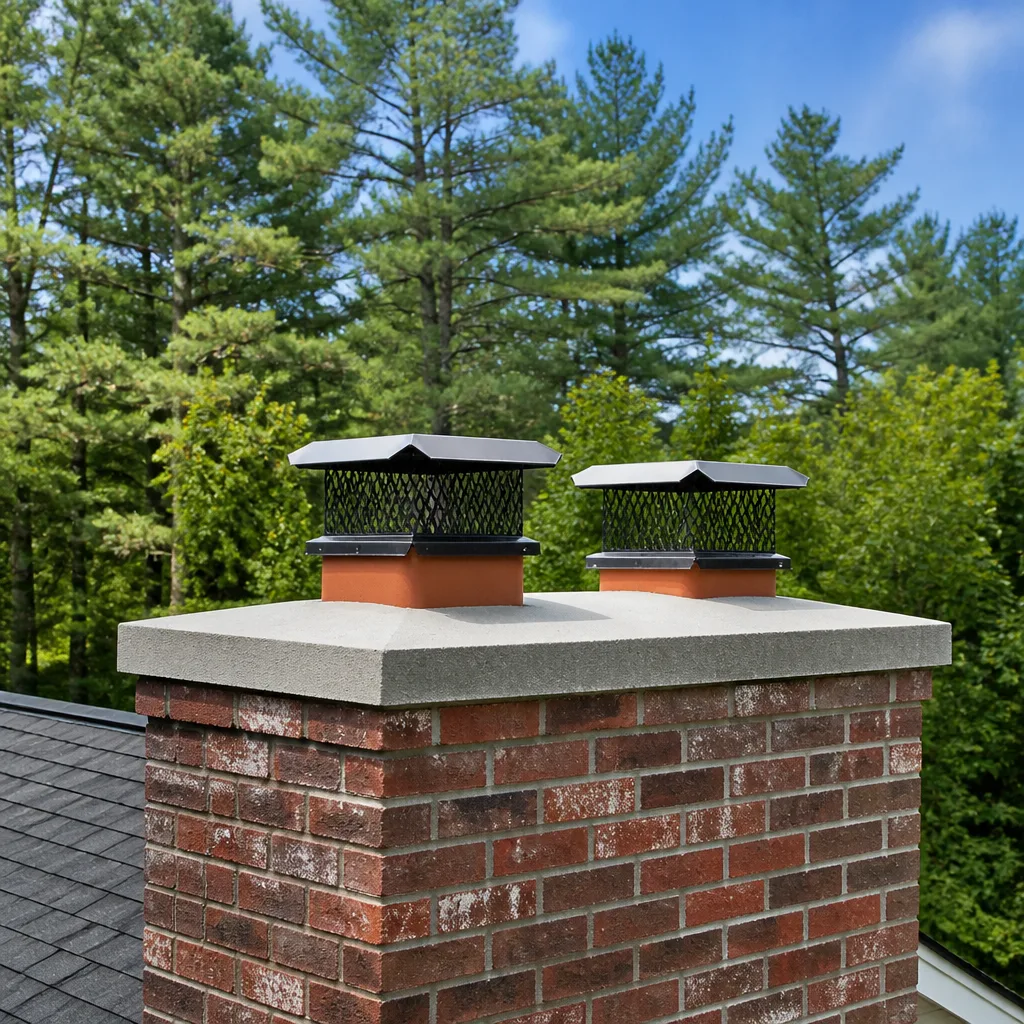 Caps & crowns
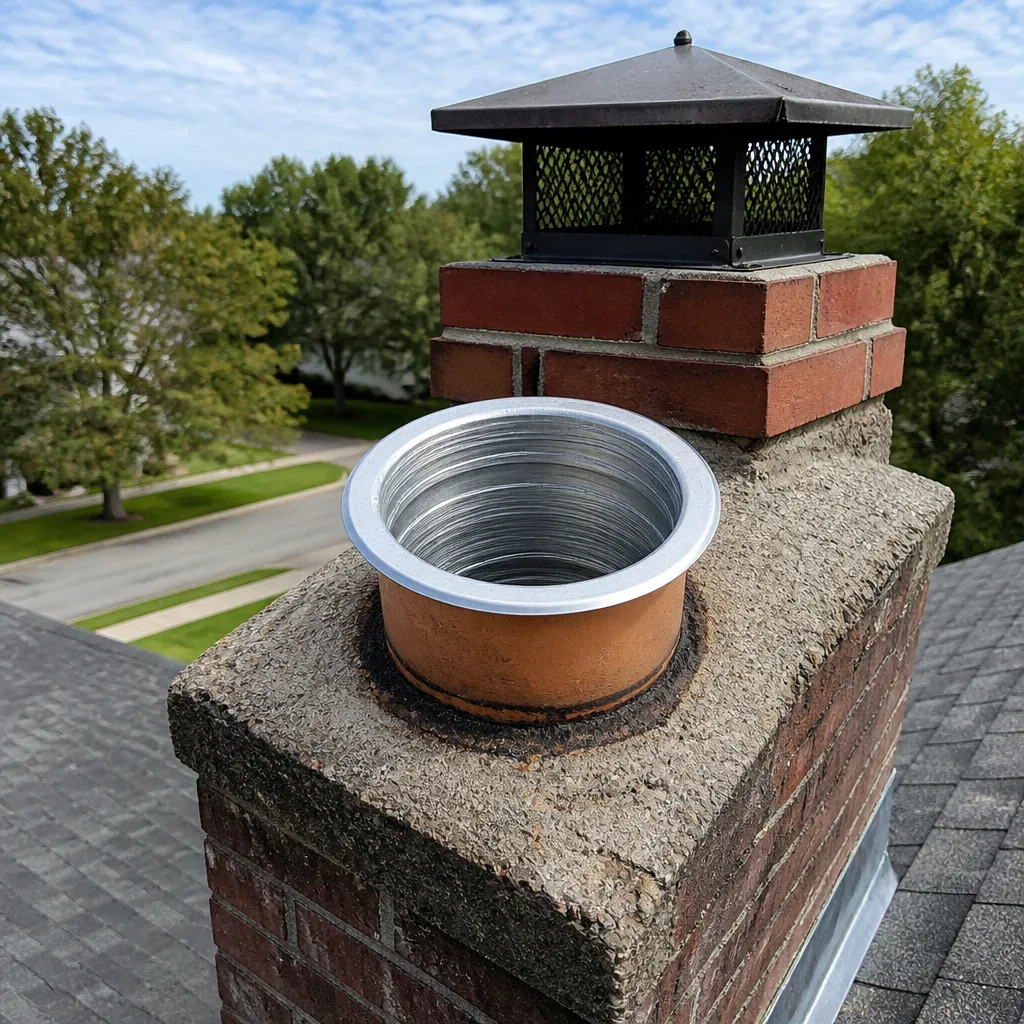 Flue relining
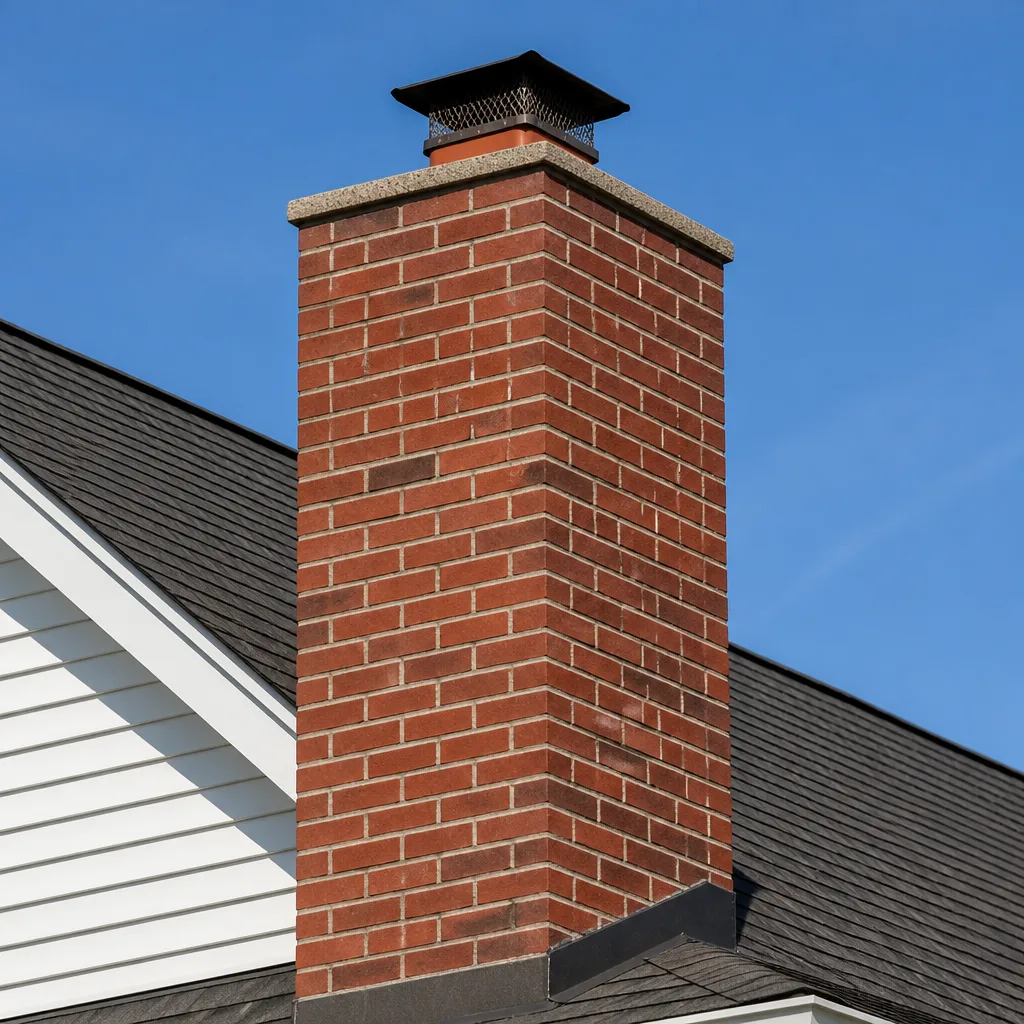 Masonry repair
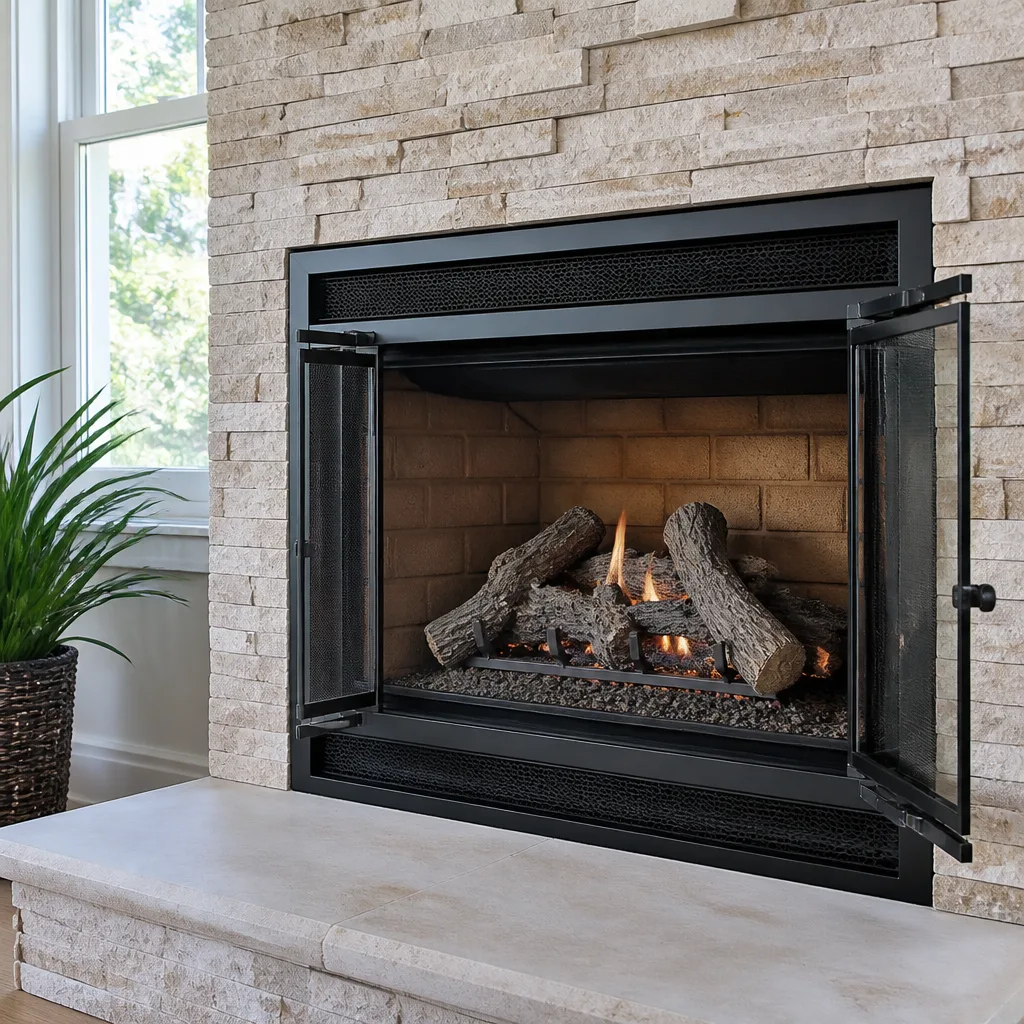 Gas fireplace service
Level 1 sweep and inspection to the NFPA 211 annual standard - flue, crown, cap, and flashing checked and photographed
Chimney sweep logs do not sweep chimneys. They loosen some creosote - which then falls where a brush and vacuum still have to collect it.
Seasonal Chimney Cleaning Care for Orem: Year-Round Homeowner’s Guide
Most homeowners treat chimney care as a single fall event: call the sweep, get it cleaned, forget about the chimney until next year. That approach misses three seasons of active wear. In Orem, spring snowmelt, summer monsoon humidity, autumn temperature swings, and winter freeze-thaw cycles each do different things to your masonry, liner, and firebox. A crown that looked fine in October can crack by April. Creosote that built up over winter sits all summer and glazes harder. The seasonal calendar isn’t marketing filler. It’s a maintenance map. This guide walks you through what to inspect, schedule, and repair in each season so your chimney is safe before you need it, not after.
Quick Answer
Seasonal chimney care in Orem means doing different tasks at different times of year: spring checks for freeze-thaw damage and water intrusion, summer handles liner inspections and structural repairs before burn season, fall is the pre-season sweep and safety check, and winter monitoring catches problems before they escalate. Sweeping happens annually, but the surrounding work follows a four-season rhythm that Orem’s climate demands.
Styles & brands we work with
- Sweep & inspection
- Caps & crowns
- Flue relining
- Masonry repair
- Gas fireplace service
Table of Contents
- Spring: What to Inspect After Snowmelt and Freeze-Thaw
- Summer: The Best Window for Inspections and Repairs
- Fall: The Pre-Season Checklist and Sweep Timing
- Winter: Mid-Season Warning Signs You Can Monitor
- How Orem’s Elevation Accelerates Masonry Wear
- Building Your Year-Round Chimney Calendar
- Common Mistakes to Avoid
- When to Call a Professional
Spring: What to Inspect After Snowmelt and Freeze-Thaw
Spring isn’t the quiet season for chimneys in Orem. It’s when freeze-thaw damage becomes visible. Water gets into tiny cracks in the masonry during winter, freezes, expands, and works those cracks wider. When the ice melts in spring, you can finally see what happened. If you don’t look, you won’t see it until fall, by which point the damage has had a full summer to spread.
Three things deserve a close look once the snow is gone:
- The crown. The concrete slab on top of the chimney sheds water away from the flue. Hairline cracks are normal over time. But if the crown has visibly separated from the flue, is spalling (chunks flaking off), or holds standing water, it needs repair. A failing crown is the number one way water gets into a chimney.
- Efflorescence. That white, chalky staining on the exterior brick or mortar is a sign that water is moving through the masonry and depositing salts on the surface as it evaporates. Efflorescence alone isn’t structural damage, but it’s an early warning that water is getting in somewhere. It often means a failing crown, failed flashing, or unsealed brick.
- Flashing separation. The metal flashing seals the joint between the chimney and the roof. Freeze-thaw cycles can pull it away from the masonry or the shingles. If you can see daylight or gaps at that seam, water is getting in.
We’ve inspected chimneys in Orem where the only visible symptom in October was a damp spot on the ceiling. The actual cause was a crown crack that opened the previous March. Catching it in spring means a smaller repair. Catching it in fall usually means rotted framing, a larger bill, and a delay while the burn season is already underway. A dedicated chimney inspection is a documented assessment, not a glance from the ground. That’s the starting point for spring.
Spring is also the best time for exterior waterproofing if your masonry is showing moisture problems. The sealant needs dry, mild weather to cure properly, and Orem’s spring delivers that better than the summer heat.
Summer: The Best Window for Inspections and Repairs
Summer is the season most homeowners skip, and it’s the one we wish they didn’t. From a scheduling standpoint, summer is when the chimney trades are least busy. From a practical standpoint, it’s also the only window where structural repairs, liner work, and waterproofing can happen without disrupting your fireplace use, because you aren’t using it anyway.
Here’s what belongs in a summer chimney plan:
- A full inspection. Camera or visual inspection of the flue, firebox, damper, crown, and cap. This is the diagnostic step that tells you what’s actually going on before anything gets scheduled. In our experience, most chimney problems are easier to see when the system has been idle for a few months and there’s no ash or fresh soot obscuring the liner walls.
- Liner assessment. If the liner is cracked or has gaps, summer is when you want to fix it. Gelco and Olympia Chimney make liner components that many chimney professionals stock as standard replacement parts. For liners that are roughened but structurally intact, HeatShield resurfacing can restore the flue without the full cost of a reline. That’s a real repair option, not a shortcut.
- Structural masonry repair. Repointing mortar, replacing spalled brick, and resetting the crown all need warm, dry conditions to cure. Summer in Orem provides that window. Delaying masonry work past September means racing the cold or pushing it to the following year.
- Waterproofing. Breathable masonry sealant applied in summer protects the chimney through the wet fall and snowmelt of the following spring. This is a small cost compared to repointing or rebuilding.
There’s a second reason summer matters: bird and debris intrusion. Chimneys with missing or damaged caps become nesting sites over the summer. We see this repeatedly in Orem where caps have been knocked loose by winter wind. By fall, there’s a nest in the flue and creosote sitting on top of it. Cap replacement in summer prevents the problem. Cap and crown work is one of the five services we handle, and it’s usually a straightforward fix when it’s caught early.
Full-relining projects belong in summer too. A flexible liner system like DuraFlex installs cleanly into a properly prepped flue, and completing the job before the first cold snap means no scramble in October.
Fall: The Pre-Season Checklist and Sweep Timing
Fall is the season people actually think about chimney care, and for good reason: you’re about to start burning. But fall is not the time to discover a cracked crown or a damaged liner. It’s the time to confirm that your summer prep held and to get the flue clean before the first fire.
A working fall checklist for an Orem chimney:
- Check the damper. Open and close it fully. It should move smoothly and seat against its frame without gaps. A damper that sticks, drops, or won’t seal is a fireplace repair issue, and it can let cold air in or send smoke into the room.
- Inspect the cap. Is it still attached? Is the screen intact? A missing or damaged cap lets water, birds, and debris into the flue.
- Look for creosote. A thin dusting is normal. Glazed, tarry, or flaky creosote means the flue needs a sweep now, before the burn season. Glazed creosote is the type that fuels chimney fires.
- Confirm the sweep appointment. The best time to book a sweep is before the rush, which usually builds as the weather turns. Book early in the fall if you haven’t scheduled a summer inspection. A chimney sweep clears soot and creosote, and the technician can flag visible issues while they’re there.
- Test smoke draw. With the damper open and a small fire, watch how smoke behaves. If it rolls back into the room, the flue may be obstructed or the draw may be impaired.
If the summer inspection was done properly, fall should be uneventful. If it wasn’t, fall is the last chance to schedule repairs before weather and demand make everything take longer. We schedule sweeps as bookings, not same-day drop-ins, and starting earlier in the season helps.
Winter: Mid-Season Warning Signs You Can Monitor
Once the burn season starts, you don’t want to stop using the fireplace just to be cautious. But you do want to pay attention. Winter issues usually announce themselves before they become dangerous, if you know what to look for. Here’s what you can monitor from inside the home, without touching anything structural:
- Smoke rolling back into the room. A little smoke on a cold start can happen. Persistent backdraft or smoke that appears once the fire is burning steadily usually means an obstruction, a closed or stuck damper, or a sudden draw problem. Stop using the fireplace until it’s checked.
- A strong, sharp, acrid smell from the fireplace. This can mean a creosote buildup is heating up more than it should, or that airflow is compromised. If it’s unfamiliar and strong, treat it as a warning.
- Discoloration or soot on the fireplace face. New streaks of soot or dark staining around the firebox opening can indicate smoke escaping where it shouldn’t.
- A loud, roaring draft. A fire that sounds like a freight train, or a sudden strong draft that wasn’t there before, is worth investigating. It can be normal on a cold, windy night, but if it’s new, it deserves a look.
- Cracks you can see in the firebox. Hairline cracks in the firebrick are common. If they’re growing, if the mortar joints are separating, or if you can see daylight through them, stop burning and schedule a chimney repair evaluation.
- Headaches or symptoms that appear only when the fireplace is in use. This is a red flag for carbon monoxide. Chimneys vent CO, and a blocked or damaged flue can allow it into the living space. If this happens, stop using the fireplace immediately and get the chimney inspected before you use it again. A CO alarm in the home is a baseline safety measure, not a substitute for an inspection.
What you should not do in winter is attempt to clean or repair the flue yourself. Working on a chimney from the roof in ice and cold is dangerous, and the flue interior should only be handled by a trained professional. Mid-season issues that can wait until spring usually should wait. Those that can’t (smoke, CO symptoms, a visible breach) warrant an inspection now.
How Orem’s Elevation Accelerates Masonry Wear
Orem sits at a higher elevation than Utah’s major population centers, and that matters for chimneys. Higher elevation means larger diurnal temperature swings, more intense UV exposure, and a longer freeze-thaw window than lower valley elevations. The result is a chimney that ages faster than the same chimney in St. George or even much of the Salt Lake Valley.
Here’s how it plays out in practice:
- More freeze-thaw cycles per year. Every time water in a masonry pore freezes and thaws, it widens that pore a little. Orem’s climate delivers more of those cycles than most people realize, especially in spring and late fall. That’s why mortar joints fail sooner here, and why crown cracks that would stay harmless in a milder climate become real problems.
- Bigger temperature swings. Rapid cooling and warming stresses masonry. A flue that heats to a few hundred degrees during a fire and cools to freezing overnight expands and contracts more than one in a steadier climate. Those cycles slowly open cracks in firebrick, mortar, and the crown.
- Longer UV exposure. The higher elevation means stronger sun at the crown and cap. UV over time breaks down sealants and deteriorates poorly made caps faster than you’d expect.
- Dry summers with monsoon bursts. Orem summers aren’t uniformly dry. When monsoon moisture arrives, it hits masonry that may not have been waterproofed. The cycle of dry-to-saturated-and-back is what widens efflorescence and starts the moisture path that ends with interior damage.
The practical takeaway: Orem chimneys benefit from more frequent inspection than the industry-standard “once a year” advice suggests, particularly if the masonry is older. Our technicians have up to 9 years of experience working in this climate, and we see the same pattern repeatedly: chimneys that get annual sweeps but no annual inspections are the ones where structural damage goes unnoticed for a season or two too long. The materials matter too. Famco and Copperfield components, when specified correctly, hold up to these conditions better than generic parts. The repair should match the local conditions, not just fix the symptom.
Building Your Year-Round Chimney Calendar
Here’s the seasonal calendar in one place. Every task below belongs in a specific season, and the reason is climate, not preference.
- Spring (post-snowmelt): Visual inspection of crown, flashing, and exterior masonry. Look specifically for efflorescence, crown cracks, and flashing gaps. Schedule an inspection if any of these appear. Consider waterproofing if moisture signs are present.
- Summer (dry season): Full chimney inspection with liner assessment. Book structural repairs (crown, masonry, firebox) so curing happens in warm weather. Install waterproofing. Replace missing caps. Schedule any relining project with enough time to complete before fall. Summer is also a good window for chimney repair because demand is lower and materials can be sourced from stock.
- Fall (pre-season): Sweep the flue to remove summer creosote and any debris. Check the damper. Confirm the cap is secure. Test smoke draw. Any fireplace repair identified in fall should be done before the first sustained burn.
- Winter (mid-season): Monitor from inside. Watch for backdraft, unfamiliar smells, soot streaks, or firebox cracks. Stop burning and call if anything is alarming. Schedule post-season inspection for spring.
One annual sweep is the baseline. What the four-season calendar adds is everything that supports it: the inspection that tells you what to sweep and repair, the waterproofing that keeps water out between seasons, and the cap and crown work that keeps the whole system intact. From cap to firebox, that’s the scope of your chimney’s needs.
Common Mistakes to Avoid
- Treating the annual sweep as the whole job. A sweep cleans the flue. It doesn’t tell you the crown is cracked or the liner is degraded. The sweep and the inspection are two different things, and skipping the inspection means missing the parts the brush can’t see.
- Waiting for the first freeze to schedule. If you wait until the fireplace becomes a daily habit again, you’re in the busiest season. Schedule inspection and sweep in late summer or early fall, when both you and the trade have room in the calendar.
- Assuming a capped chimney is safe. Caps get damaged by wind, ice, and age. A cap that’s missing or broken lets water and birds in over the summer. Check it in spring and fall.
- Ignoring efflorescence. White staining on brick looks cosmetic. It’s a water problem announcing itself. If you see it, find the source before it becomes interior damage.
- Skipping waterproofing because the masonry looks fine. Breathable waterproofing is maintenance, not repair. It’s most effective when applied before you’ve seen a problem.
- Full reline when restoration would work. HeatShield liner resurfacing extends the life of a structurally sound but roughened liner without the cost of a full reline. Not every job qualifies, but a company that offers both options can tell you which one fits. A company that only offers relining will only recommend relining.
- Trusting materials that aren’t professional-grade. The wrong cap, crown patch, or liner component fails faster in Orem’s freeze-thaw cycles. Sources like Gelco, Olympia Chimney, Copperfield, and Famco are standard in repair work because they hold up.
When to Call a Professional
Some chimney issues are seasonal maintenance. Others require a trained technician with the tools and training to work on the flue safely. Call a professional if smoke backs into the room, if you smell a strong unfamiliar odor from the fireplace, if you notice CO symptoms around a fire, if the firebox has visible cracks or separated mortar, if the crown is cracked or spalling, if the flashing has separated from the roof, or if the liner is damaged or degraded. Also call if it’s simply been more than a year since the last sweep, or if you’ve never had a full inspection. The biggest issue we see is homeowners not knowing whether the recommended work is real, and the way to answer that is a camera inspection and a documented assessment you can review before you say yes to anything. Chimney Sweep Orem offers free estimates in Orem and services the full system, from cap to firebox. Call (855) 658-4390.
See the difference
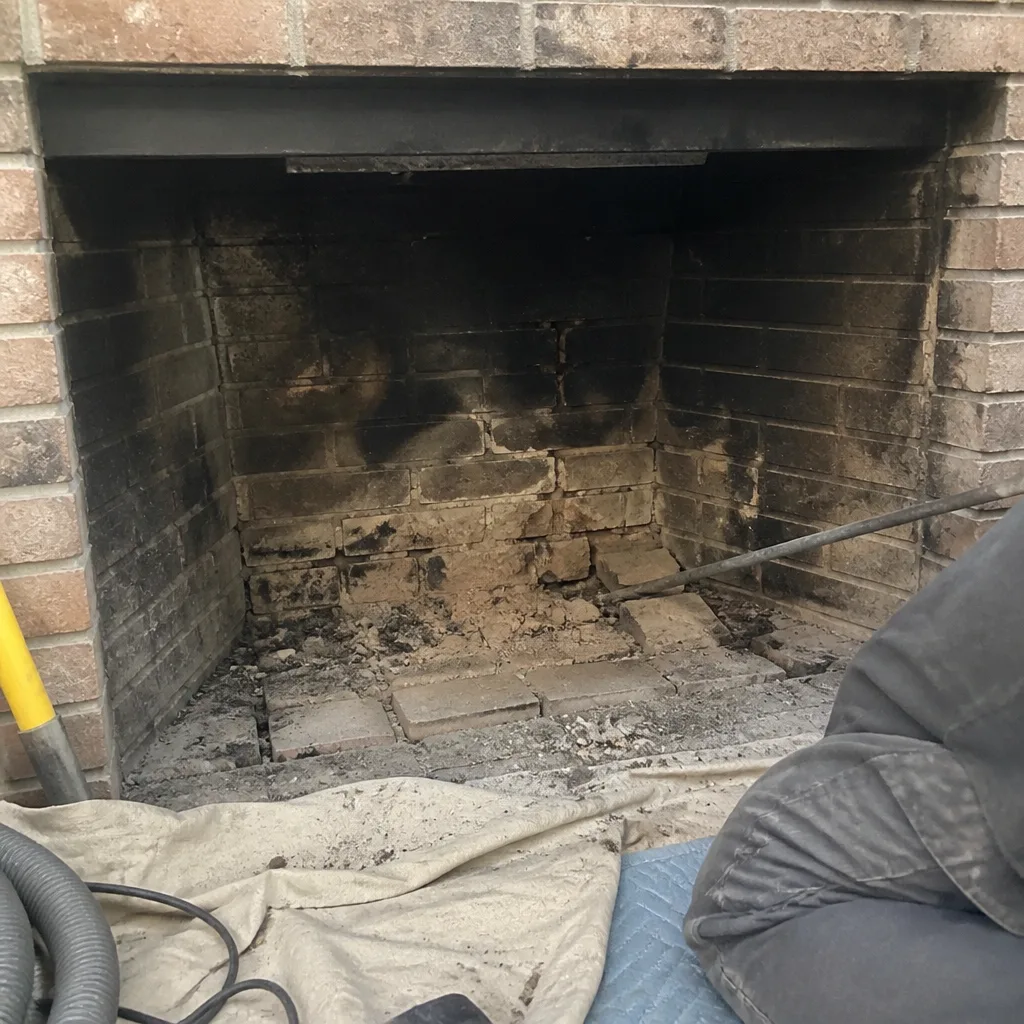 Before
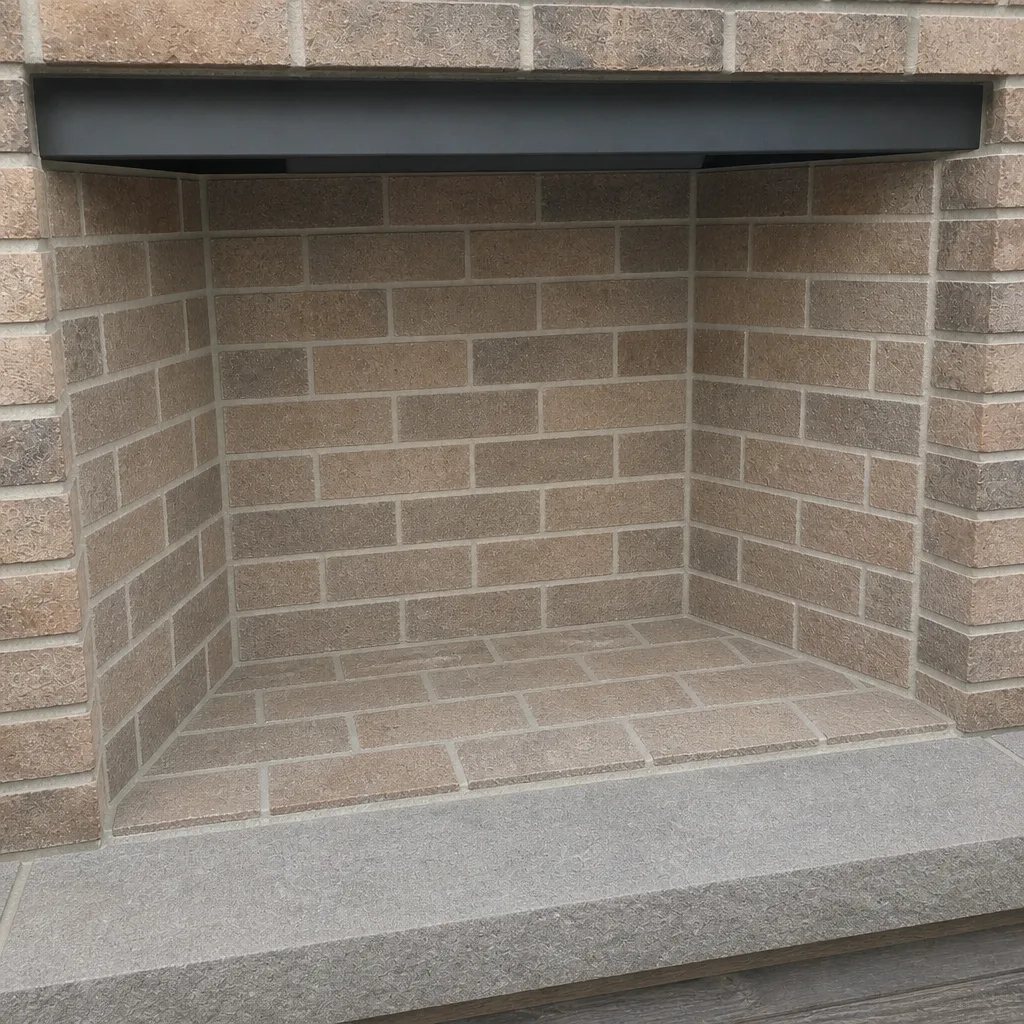 After
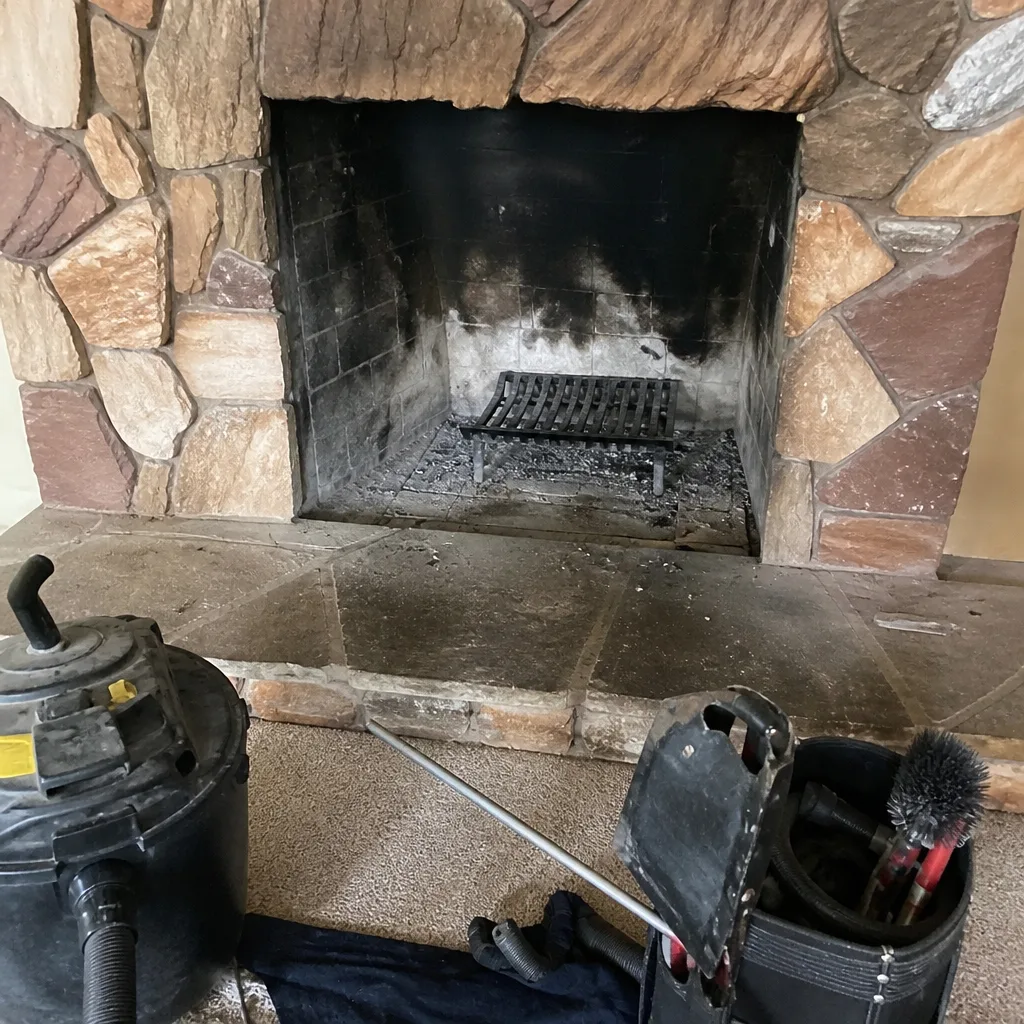 Before
 After
 Before
 After
Frequently Asked Questions
Once per year for most wood-burning fireplaces, and more often if you burn frequently or notice glazed creosote. The CSIA baseline is once a year, or roughly every cord of wood burned, whichever comes first. Orem’s long burn season means chimneys here accumulate creosote quickly. Book your sweep before the fall rush. Call (855) 658-4390 for a free estimate.
Yes, mostly because of elevation and temperature swing. Higher elevation means more freeze-thaw cycles and stronger UV, both of which stress masonry faster than in lower-elevation cities. The work itself is the same: sweep, inspect, repair. The urgency and frequency change. Chimneys in Orem need the seasonal checks that catch freeze-thaw damage before it spreads.
You can, but you’re relying on the sweep to catch structural problems it isn’t designed to find. A sweep cleans the flue. An inspection examines the liner, crown, flashing, and firebox, which is where seasonal damage shows up. Doing the inspection in summer means repairs can be done before burn season. Call (855) 658-4390 to schedule an inspection before fall.
Efflorescence is white salt staining on brick or mortar that indicates water is moving through the masonry. On its own it’s cosmetic, but it’s a warning sign: a failing crown, separated flashing, or porous brick. Left unaddressed, the moisture path leads to spalling brick, rotted framing, and interior damage. Have the chimney inspected to find the source. Call (855) 658-4390 for a free estimate on the inspection.
It depends on the liner’s condition. A liner that’s cracked, broken, or fully deteriorated needs a full reline, which is where a flexible system like DuraFlex comes in. A liner that’s rough but structurally intact can often be restored with HeatShield resurfacing, which saves the cost of a reline. A camera inspection is how you find out which case you’re in. We inspect first, then recommend. Call (855) 658-4390 for a free estimate.
Two risks build up. Creosote accumulates in the flue and becomes more combustible each season, raising fire risk. Structural problems (crown cracks, degraded liner, separated flashing) quietly get worse through freeze-thaw cycles, and what would have been a small summer repair becomes a larger repair by the following spring. Skipping a year is usually survivable. Skipping three is where we see real damage. Call (855) 658-4390 to get back on the annual schedule.
The Bottom Line
Chimney care in Orem isn’t an annual event. It’s four seasonal windows, each with its own purpose: spring catches freeze-thaw damage, summer handles the real repairs, fall preps the flue, and winter monitoring catches anything that slips through. The annual sweep is the baseline, but the inspection, waterproofing, crown and cap checks, and structural work are what keep the chimney safe through Orem’s elevation-driven cycles. If you only do one thing, schedule a real inspection this season. Everything else follows from what it finds. If you’ve been putting off the whole calendar, the right first step is a call.
We answer calls 24/7. Fast dispatch from 7am to 7pm, Sunday through Friday. If you’re in Orem and haven’t had an inspection in the last year, call (855) 658-4390 for a free estimate.
Written by the team at Chimney Sweep Orem.