
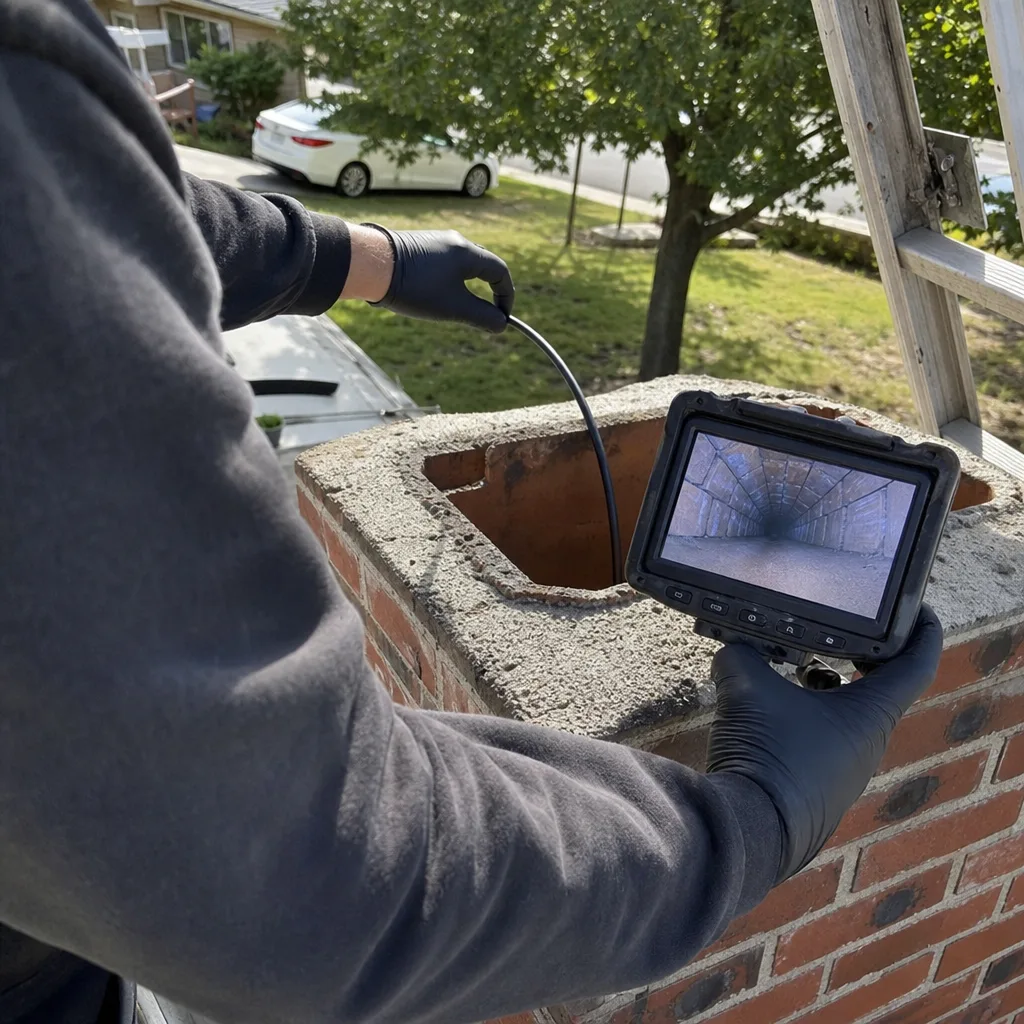
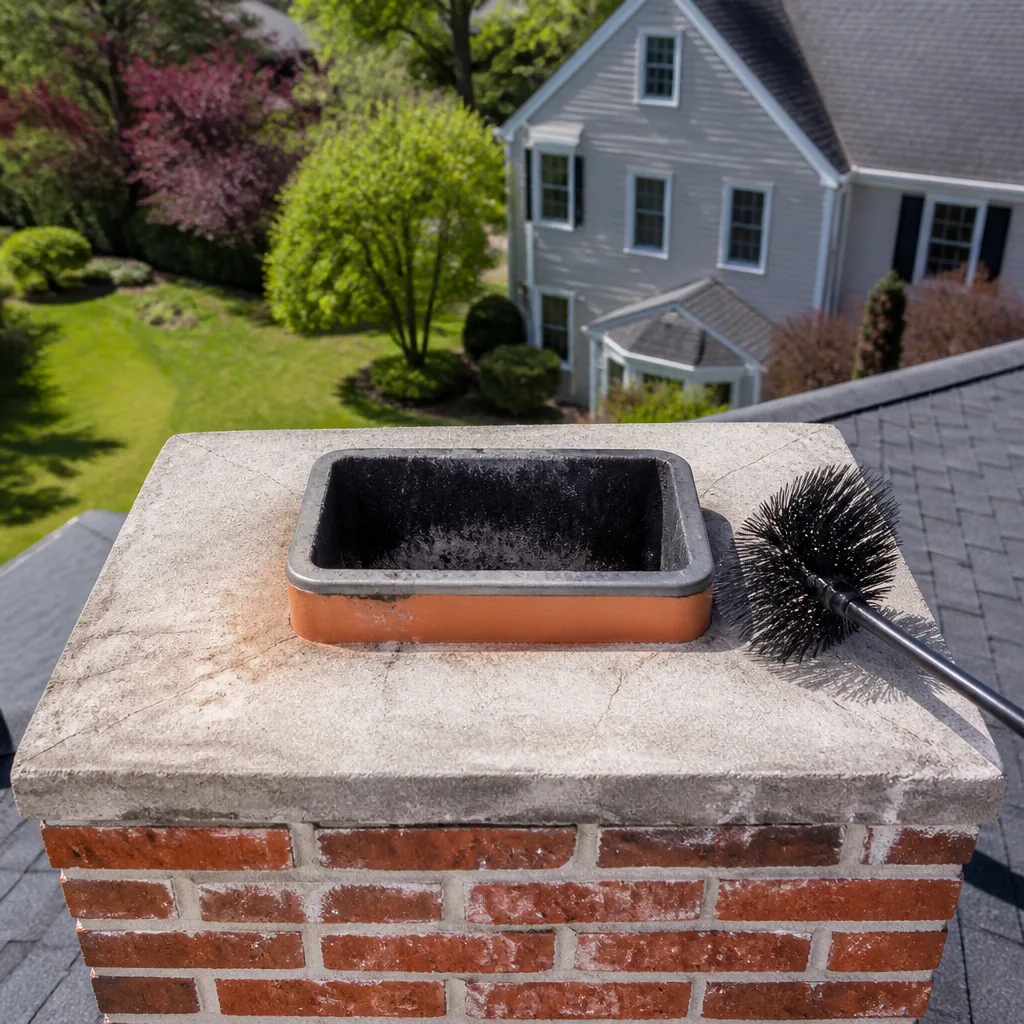
 Sweep & inspection
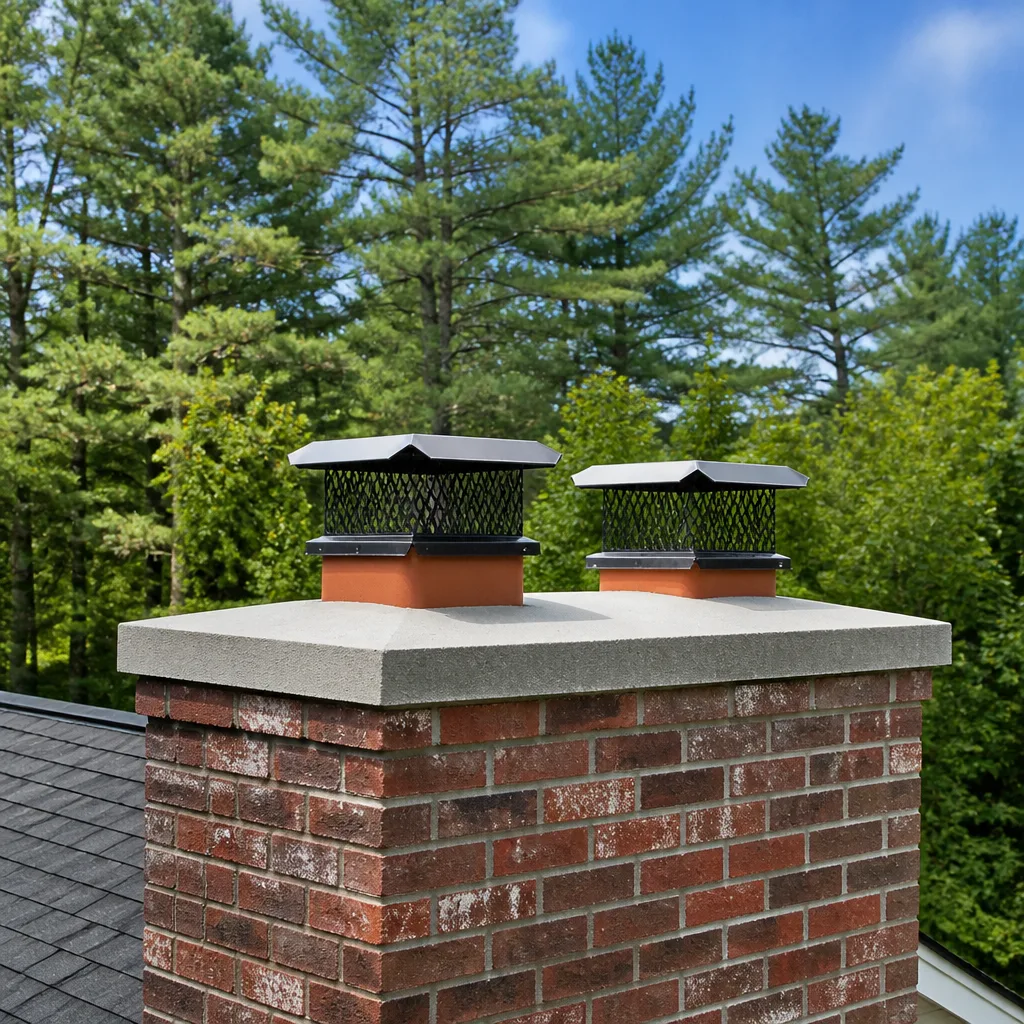 Caps & crowns
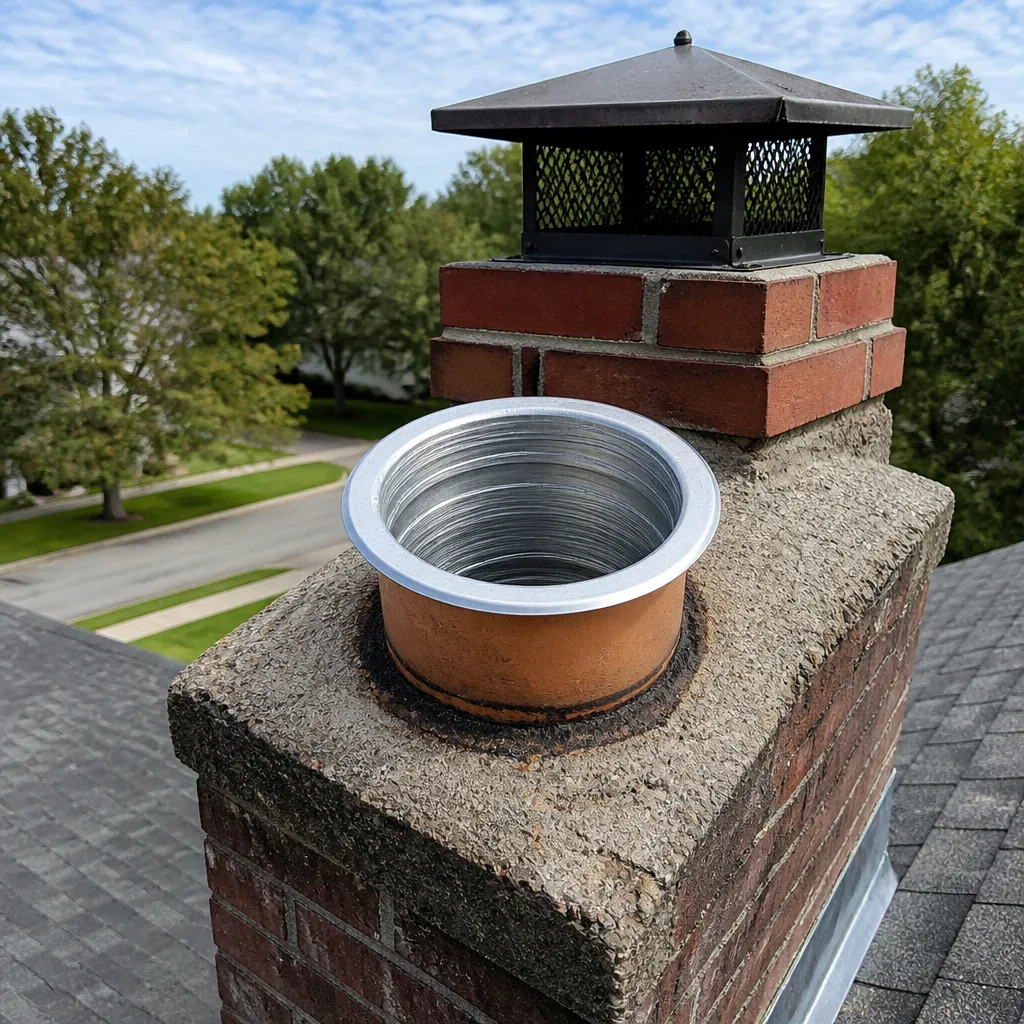 Flue relining
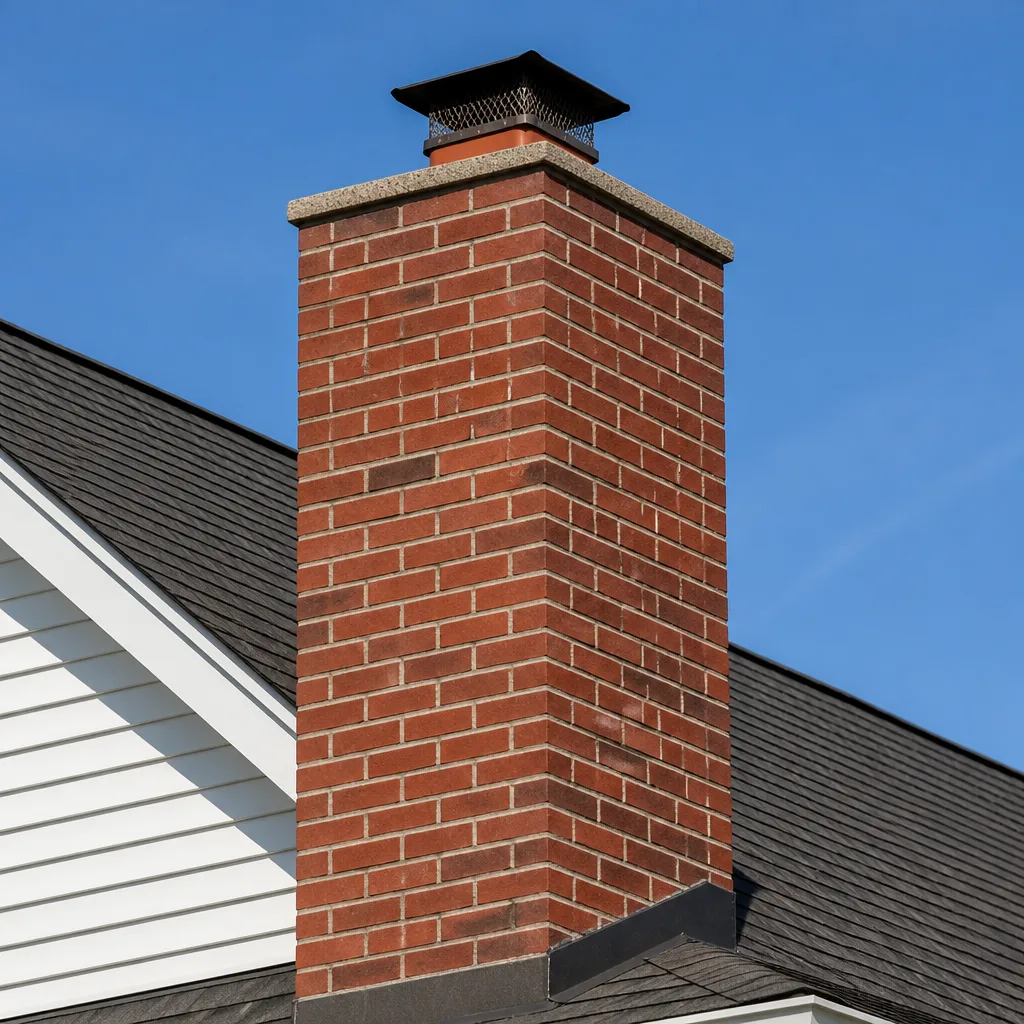 Masonry repair
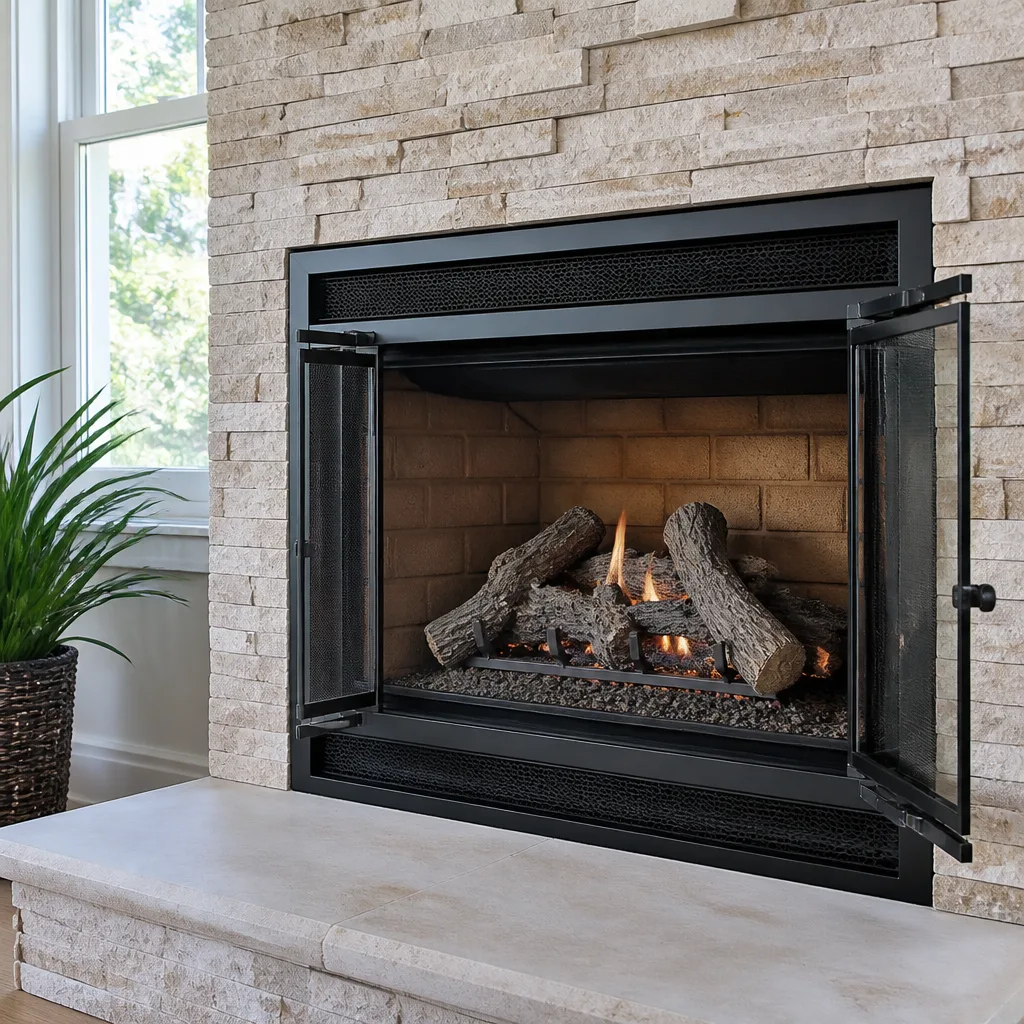 Gas fireplace service
Level 1 sweep and inspection to the NFPA 211 annual standard - flue, crown, cap, and flashing checked and photographed
Chimney sweep logs do not sweep chimneys. They loosen some creosote - which then falls where a brush and vacuum still have to collect it.
Fast, Reliable Chimney Inspection Across Highland
If you burn wood in Highland, the question worth asking isn’t whether your chimney looks fine from the driveway. It’s whether the inside of the flue, the joints and the connections behind the fireplace have ever been looked at with a camera. We provide documented chimney inspections for homeowners across Highland, and we do it the same way every time: we inspect first, we show you what we found, then we recommend. Call (855) 658-4390 to book a sweep and inspection. We answer 24/7.
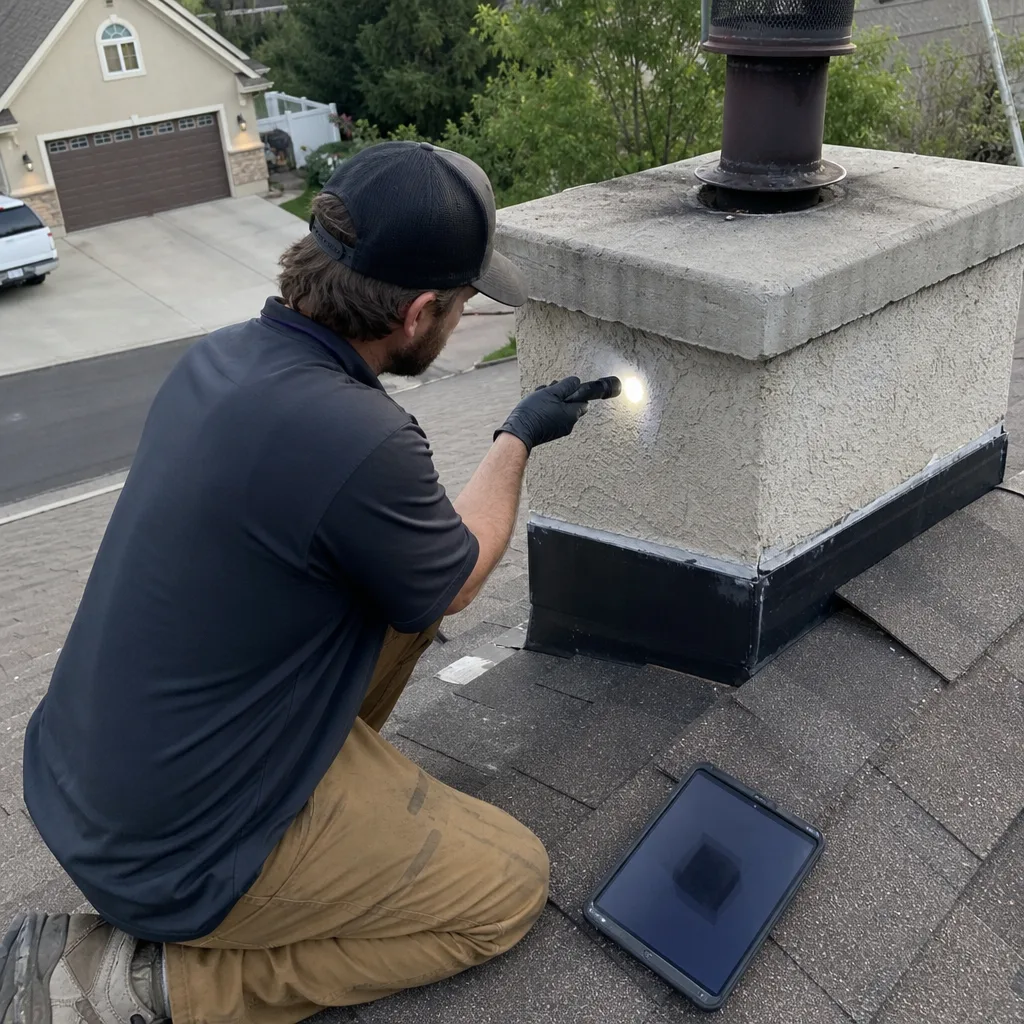
Highland isn’t the valley floor, and the chimneys here don’t behave like the ones down in Lehi or American Fork. That matters more than most homeowners realize, and it’s why a walkaround glance before a sweep isn’t enough on the east bench.
Key Takeaways
- A Level 2 inspection with a camera is the standard starting point for most Highland homes, especially anything with a clay-tile or older flue.
- East-bench canyon winds accelerate creosote buildup and cause draft problems that valley-floor cities rarely see.
- Nothing gets recommended without camera evidence you can look at yourself.
- Typical inspection pricing in Highland runs roughly $150 to $450 depending on level and access.
Why Highland Homeowners Call Chimney Sweep Orem for Chimney Inspection
Homeowners in Highland tend to be careful about who they let onto the roof. Most of the calls we get start with the same story: someone was told a full reline was needed, and nobody ever showed them a picture. That’s the problem we built our inspection service around. Our chimney inspection team treats the assessment as its own job, not a quick glance on the way to the sweeping equipment. You get a documented look at the flue from the cap and crown down to the firebox.
It helps that we’re repair-capable. Where a maintenance-only sweep crew stops at brushing and hands you a list of contractors, we work with HeatShield liner resurfacing and DuraFlex flexible liner systems, so a real problem can actually be addressed in the same relationship. Our technicians have up to 9 years of experience, and they’re used to the tall exterior chimneys common on Highland’s east bench. When we find first-degree creosote that brushing will clear, that’s exactly what we tell you, even though a reline would pay better.
Styles & brands we work with
- Sweep & inspection
- Caps & crowns
- Flue relining
- Masonry repair
- Gas fireplace service
Our Chimney Inspection Services in Highland
Inspection levels exist for a reason, and the right one depends on your chimney and what’s changed recently. Here’s how each level applies to Highland homes.
Level 1 Inspection
A Level 1 is the basic visual check of readily accessible parts: the firebox, damper, flue from the firebox up as far as can be seen, and the exterior at the roofline. It’s the right call when your Highland home has a chimney that’s been serviced regularly and nothing has changed. If you’ve switched fuels, had a chimney fire, or bought the house without documentation, a Level 1 alone won’t tell you enough.
Level 2 Inspection
A Level 2 adds a camera run through the flue and a closer look at the smoke chamber, joints and connections. For most Highland homes built in the 1980s through the 2000s, this is the inspection we’d start with, especially where a wood stove or insert has been added to a stack that was originally built for something else. It’s also what’s called for after a chimney fire, a change in appliance, or a real estate transaction.
Level 3 Inspection
A Level 3 goes further and may involve opening access to concealed areas when a Level 2 finds something that can’t be assessed from inside the flue. It’s not routine, and it’s not something we recommend without a specific reason you can see for yourself. When a Level 3 is genuinely warranted in a Highland home, we explain what we expect to find and why before any demolition happens.
Camera Inspection
This is the part of the job that settles arguments. A camera run shows the actual condition of the clay tiles, the mortar joints between them, and any gaps where an appliance connects. On Highland’s tall exterior chimneys, camera work is also how we confirm whether poor drafting is a liner issue or an airflow issue, which are two very different repairs.
Flue Inspection
The flue is where creosote collects and where cracks hide. A focused flue inspection checks the size, the lining material and the joints from top to bottom. In Highland, where burn seasons run long, flue condition is the single most useful thing to know before winter.
Trusted Brands We Service in Highland
We work with materials from professional-grade suppliers, and which one we use depends on what the inspection actually turns up. HeatShield is the liner resurfacing system we reach for when a flue can be restored rather than rebuilt, which in many cases means liner restoration without the cost of a full reline. When a complete reline is the honest answer, we install DuraFlex flexible liner systems. For cap and crown work and fireplace components, we source from Gelco and Copperfield as the job requires. The point of working across several brands is matching the material to the repair instead of forcing one product onto every chimney.
Common Chimney Inspection Problems We See in Highland Homes
Most of what turns up in Highland is predictable once you know the housing stock and the weather. Here’s what we find most often.
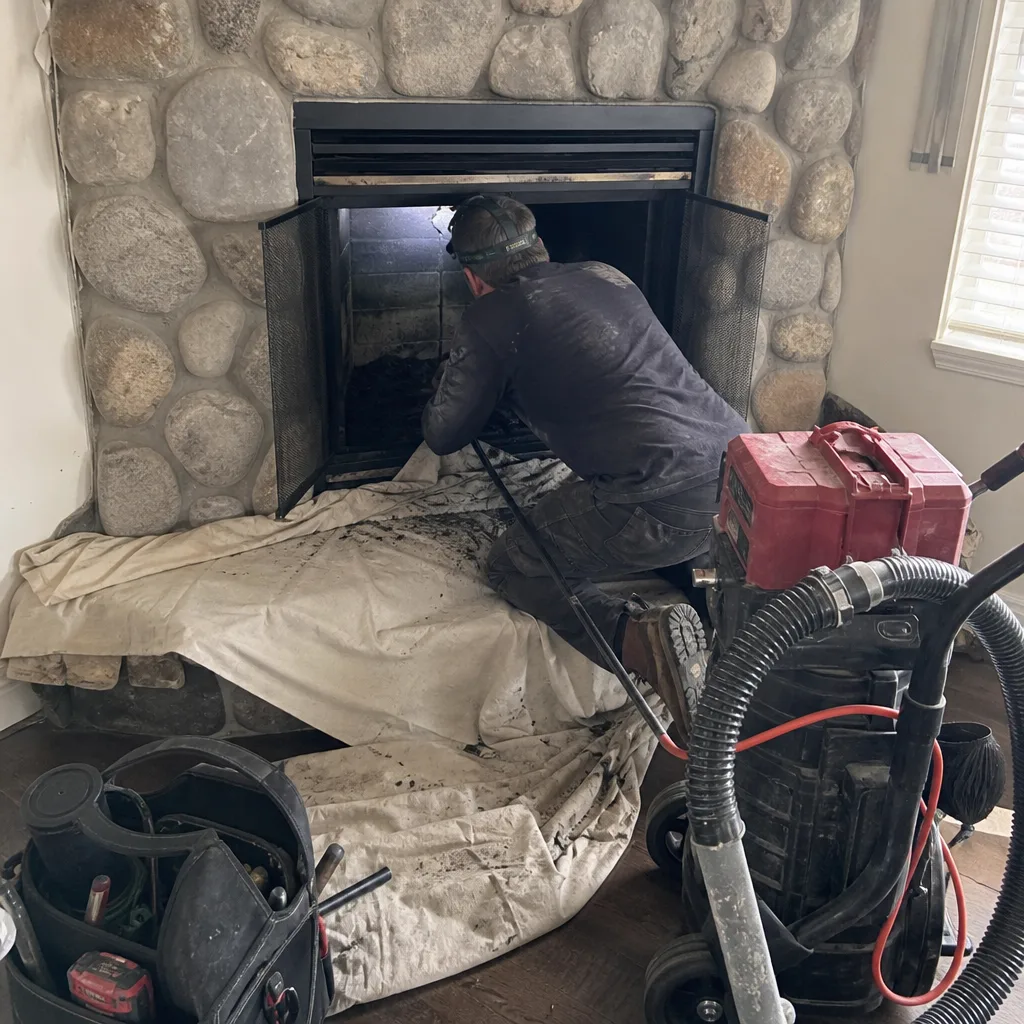
- Unlined and clay-tile flues in older custom homes. Many Highland houses built in the 1980s and 1990s have clay-tile liners with mortar joints that have been through decades of freeze-thaw cycles. Spalling joints don’t always show from the firebox, which is why a camera run is the only way to confirm how far the damage goes.
- Creosote buildup accelerated by canyon winds. Tall exterior chimneys on the east bench draw poorly when canyon winds push against them. The smoke rolls back, and creosote deposits faster than it would on a sheltered interior chimney in a valley-floor city.
- Cracked crowns letting water in. A hairline crack in the crown at the roofline lets meltwater into the chimney structure through freeze-thaw cycles. The eventual symptom looks like a draft problem, and it gets misdiagnosed as a failing appliance far too often.
- Appliances vented into stacks never designed for them. Wood stoves and inserts added as secondary heat sources often feed into a flue sized for an open fireplace. The mismatch causes weak draft and heavier deposits, and it’s only visible on camera.
How Highland’s East-Bench Conditions Affect Your Chimney
The part of Highland that sits higher on the east bench faces a chimney problem the valley floor doesn’t. Canyon winds coming off the Wasatch Range create positive pressure against tall exterior chimneys, and that pressure reverses the flow. Instead of the flue pulling smoke up and out, it pushes it back down into the firebox. The result is smoke rolling into the room and first-degree creosote depositing quickly on the liner walls. Homes in Lehi or American Fork, sitting lower and more sheltered, rarely deal with this. Up here it’s common.
Winter inversions along the Wasatch Front make it worse. Cold air settles and traps wood smoke, so Highland’s burn season runs longer and harsher than neighboring cities, and the fireplace gets used daily rather than occasionally. More fires mean more creosote. Add a cracked crown letting moisture into the masonry and an undersized flue on an added stove, and you have the exact conditions where a furnace-style diagnosis fails and a real inspection matters.
In a typical Highland home with a tall exterior chimney, a technician runs a camera through the flue and the smoke chamber, checks the crown and flashing at the roofline, and shows the homeowner the footage. If the liner is sound and the problem is draft, a correctly sized liner or a draft-improving cap may be the answer. If it’s first-degree creosote, brushing clears it. The evidence decides, not a sales script.
See the difference
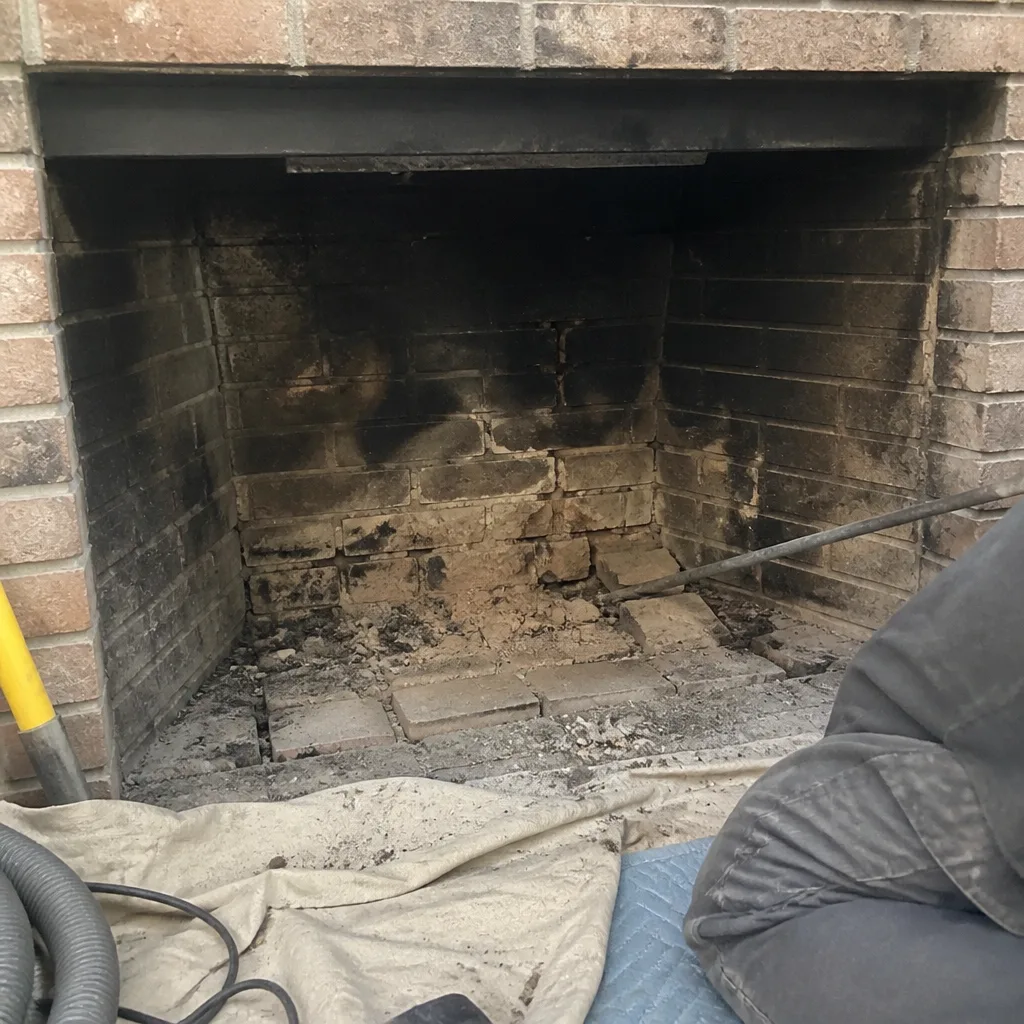 Before
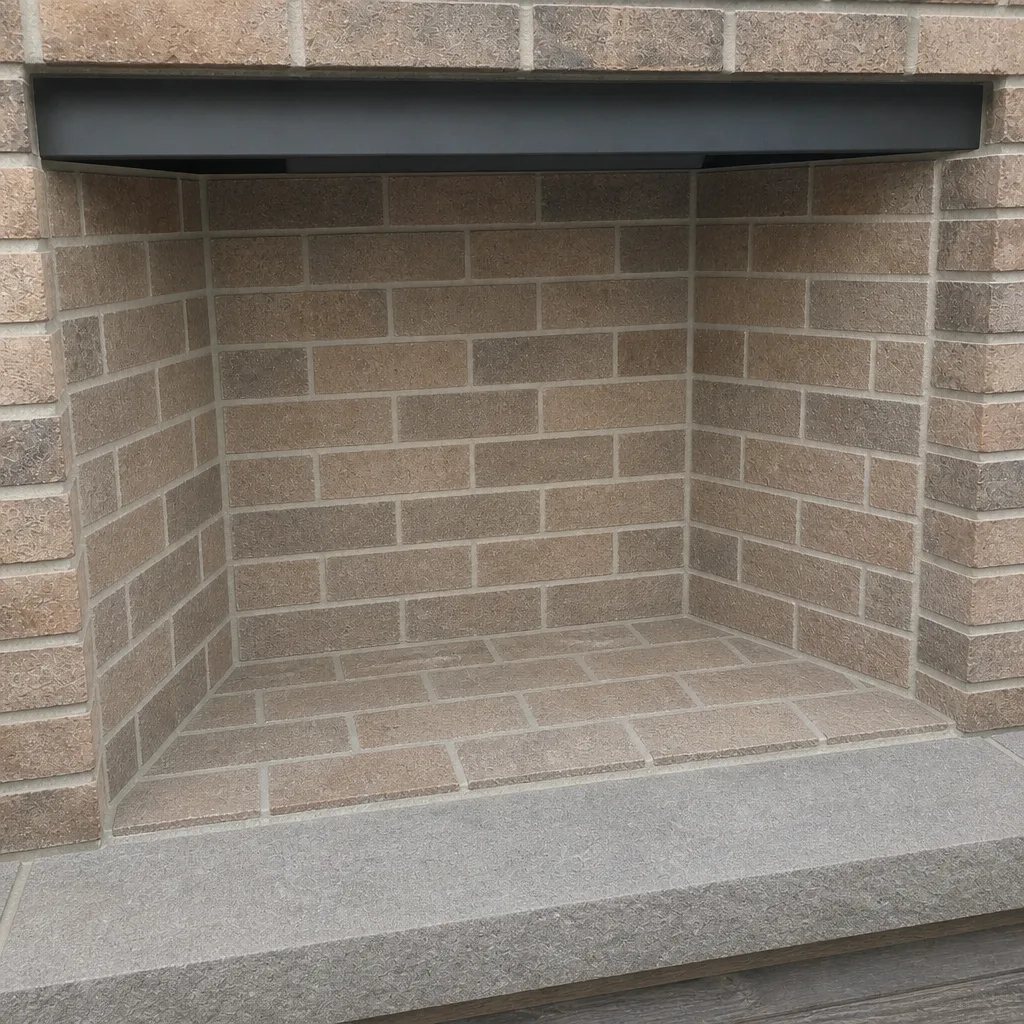 After
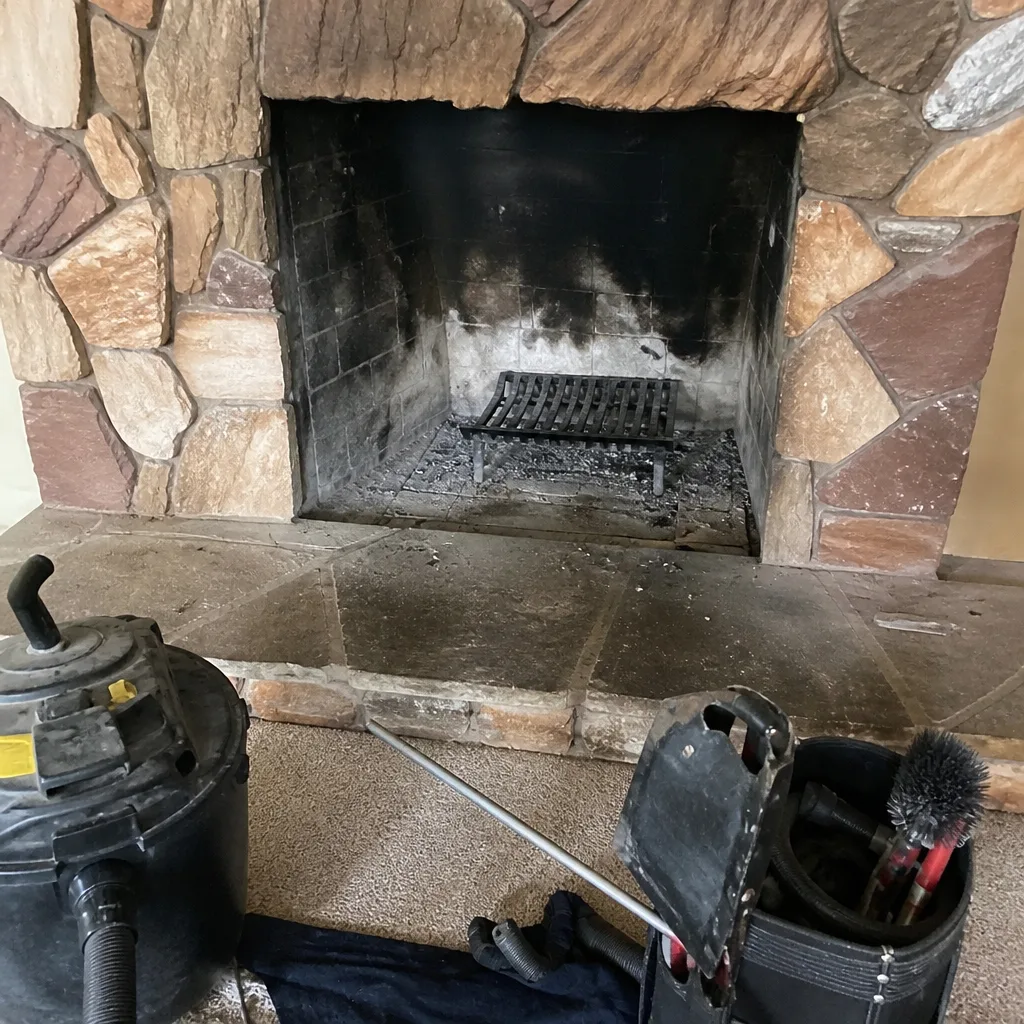 Before
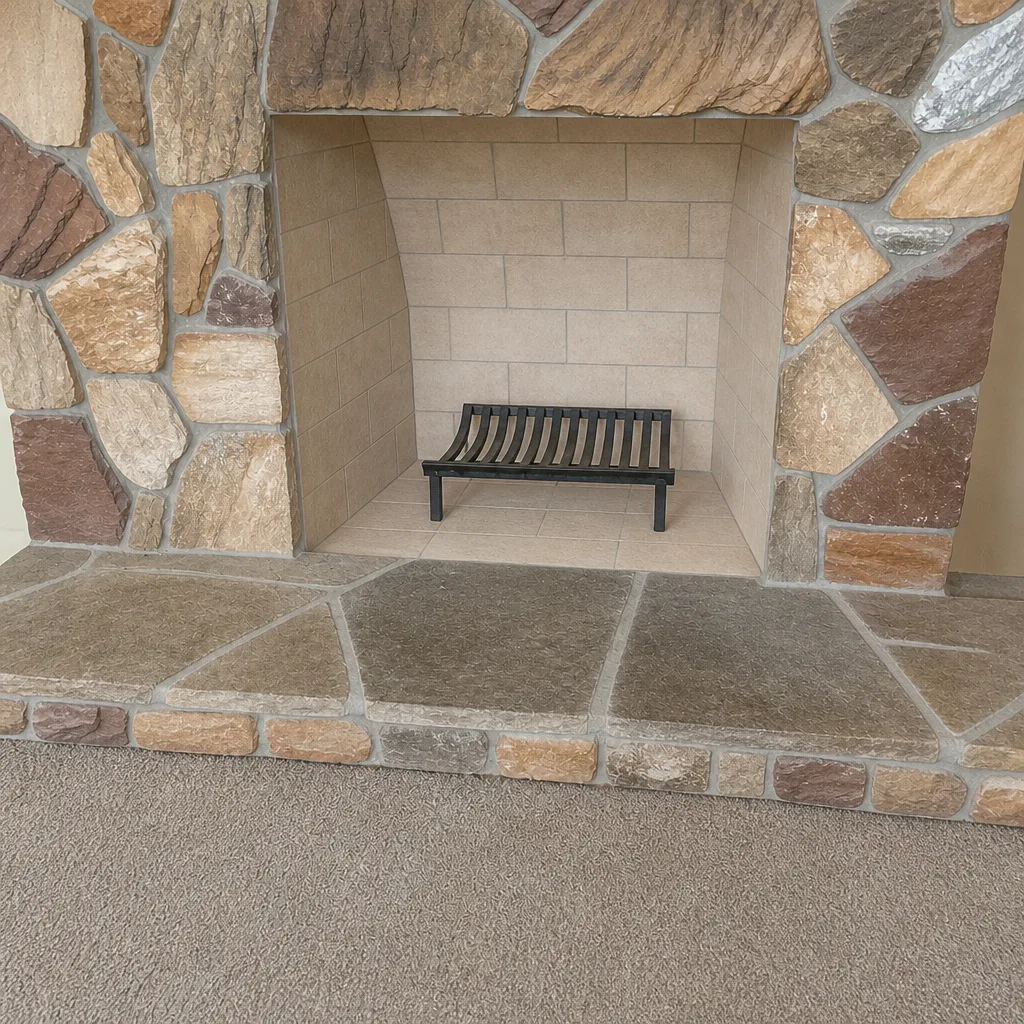 After
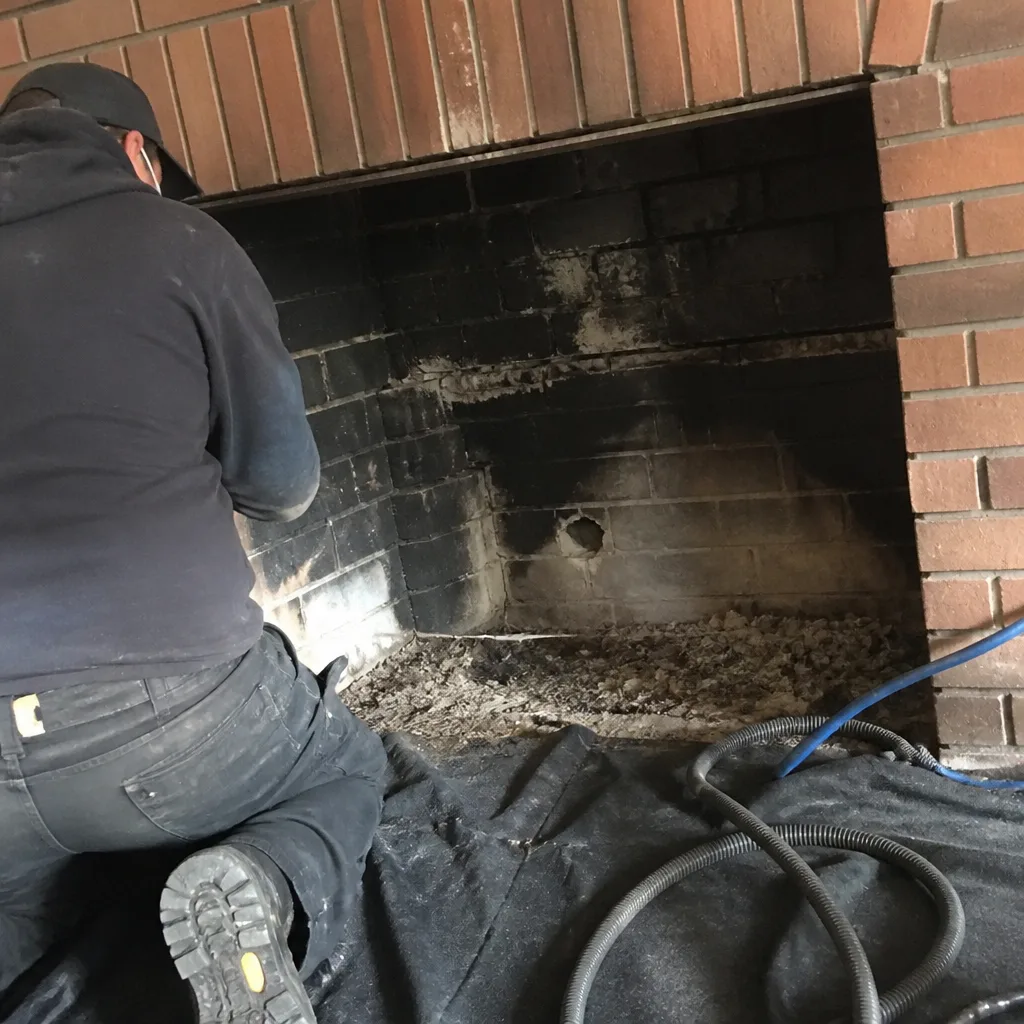 Before
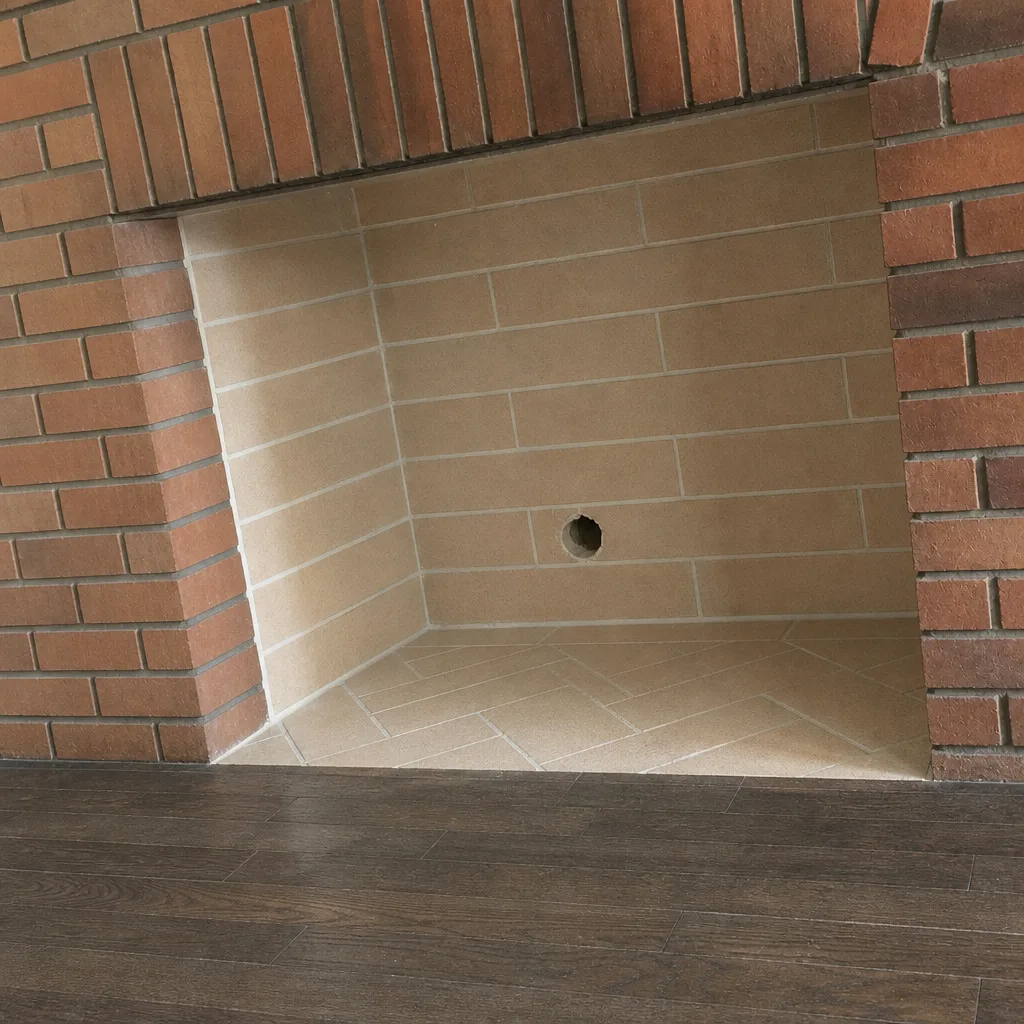 After
Pricing for Chimney Inspection in Highland, UT
A typical Level 1 inspection in Highland runs $150 to $250. A Level 2 with a camera run usually runs $225 to $400, and a Level 3 that requires opening access runs $400 to $700 or more depending on what has to be opened. Chimney sweeping, when combined with the inspection, typically adds $175 to $300. The written estimate sets the final price, and the estimate itself is free.
What moves the number: the level of inspection, the height and access of the chimney, how many flues the house has, and whether an insert or stove connection needs to be disassembled and reseated. Larger Highland homes with multiple fireplaces take longer than a single-flue house. We agree the price before the work is booked, so there’s no surprise on the invoice.
We Also Serve Cities Near Highland
We work throughout the surrounding area, including American Fork, Cedar Hills, Lehi, and Pleasant Grove. The conditions shift as you drop off the bench, and we adjust the inspection to match. If you’re just outside Highland and want the same camera-first approach, call and we’ll book it the same way.
Serving Highland, UT – Our Local Coverage Area
We serve Highland and nearby communities. Use the map below to see the area we cover. If you’re nearby, we can almost certainly help.
FAQs – Chimney Inspection in Highland
Because a Level 1 can’t see the liner joints, and in Highland the liner joints are usually the problem. The tall exterior chimneys on the east bench take canyon wind pressure and heavy creosote loading, and the clay-tile joints behind that are invisible without a camera. Most Highland homes built between the 1980s and 2000s have flues that have never had a camera run through them.
Canyon winds and longer burn seasons. Highland’s higher elevation and proximity to the Wasatch Range mean cold air settles in inversions and the fireplace runs daily, while winds pushing against tall exterior chimneys cause downdraft that deposits creosote quickly. Valley-floor cities like Lehi and American Fork sit lower and more sheltered, so their chimneys usually build creosote more slowly.
Yes, and that’s the whole point of how we run inspections. You see the footage from inside your own flue before any recommendation is made. If the video shows first-degree creosote that brushing clears, that’s what we tell you, and a full reline isn’t mentioned. Call (855) 658-4390 to book an inspection with a camera run.
Once a year if you burn regularly, which in Highland usually means yes. The long, cold burn season and inversion conditions mean more fires per year than a valley-floor household, and creosote accumulates accordingly. If you’ve had a chimney fire, added a stove or insert, or bought a house without service records, book a Level 2 regardless of when the last inspection happened.
Don’t assume you need a new appliance or a full reline. Poor draft on a tall exterior chimney is usually an airflow problem, a liner sizing problem, or a crown and flashing issue letting water in, and the only way to tell which is a camera inspection of the flue and smoke chamber. Call (855) 658-4390 and we’ll book it. We answer 24/7, with fast dispatch from 7am to 7pm, Sunday through Friday.
Book Your Highland Chimney Inspection
Nothing we recommend comes without camera evidence you’ve seen yourself, and if the work can safely wait, we’ll tell you that too. Call (855) 658-4390 for a free estimate. We answer 24/7. Fast dispatch, 7am-7pm, Sunday through Friday.
Written by the team at Chimney Sweep Orem.