
Last updated November 25, 2026
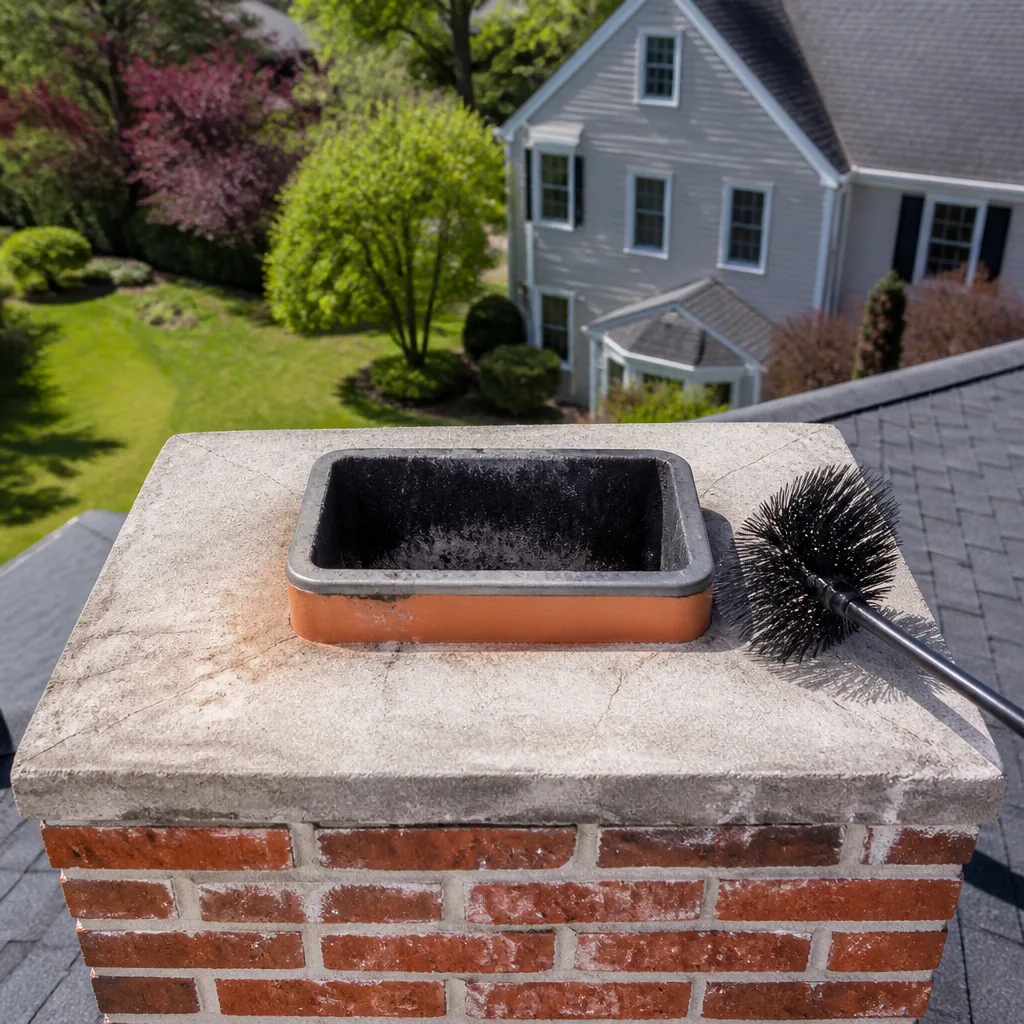 Sweep & inspection
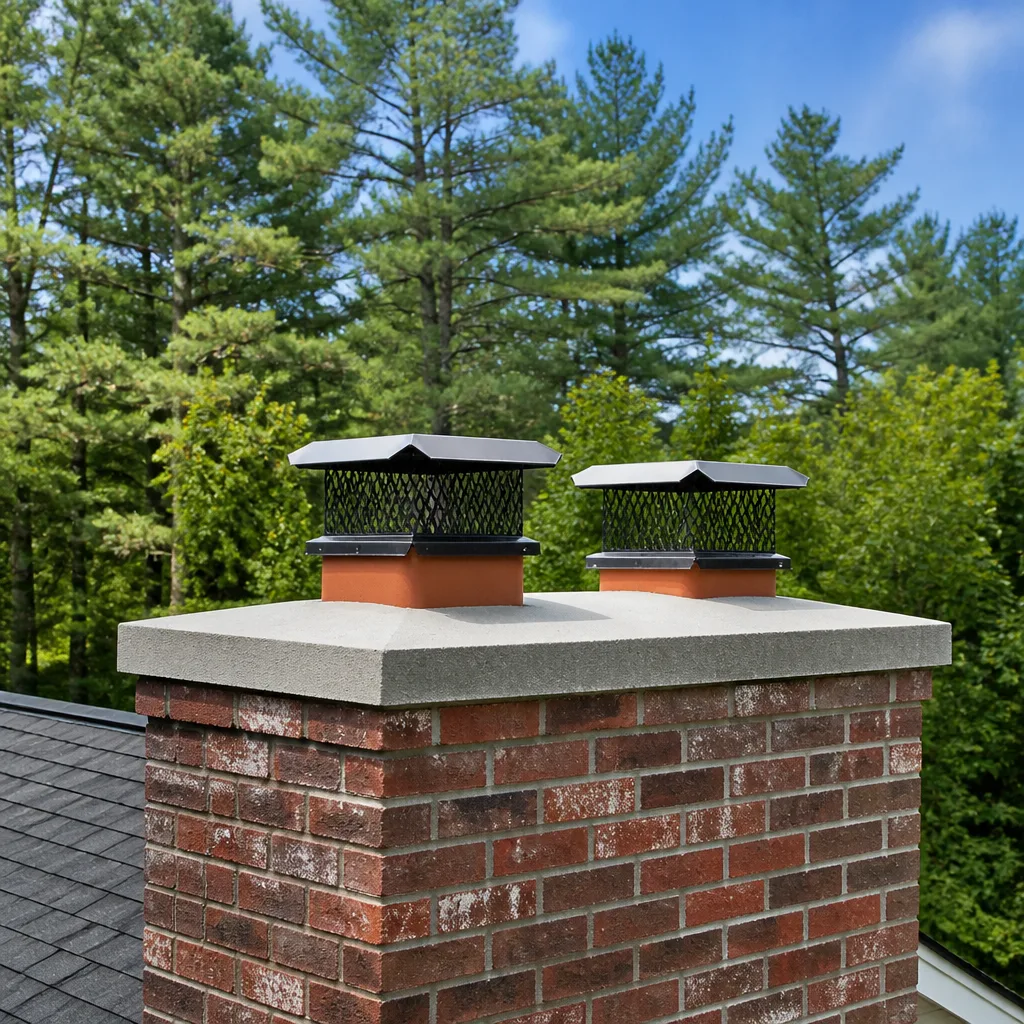 Caps & crowns
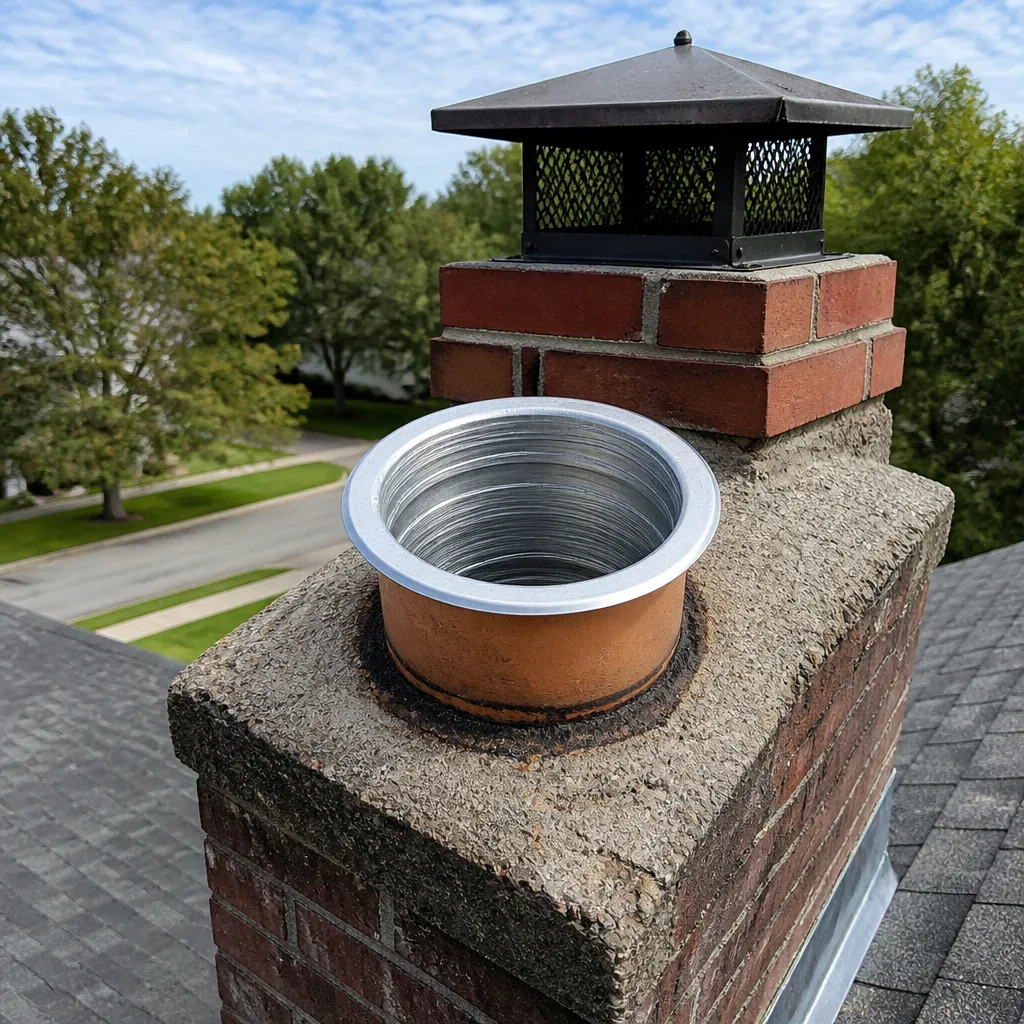 Flue relining
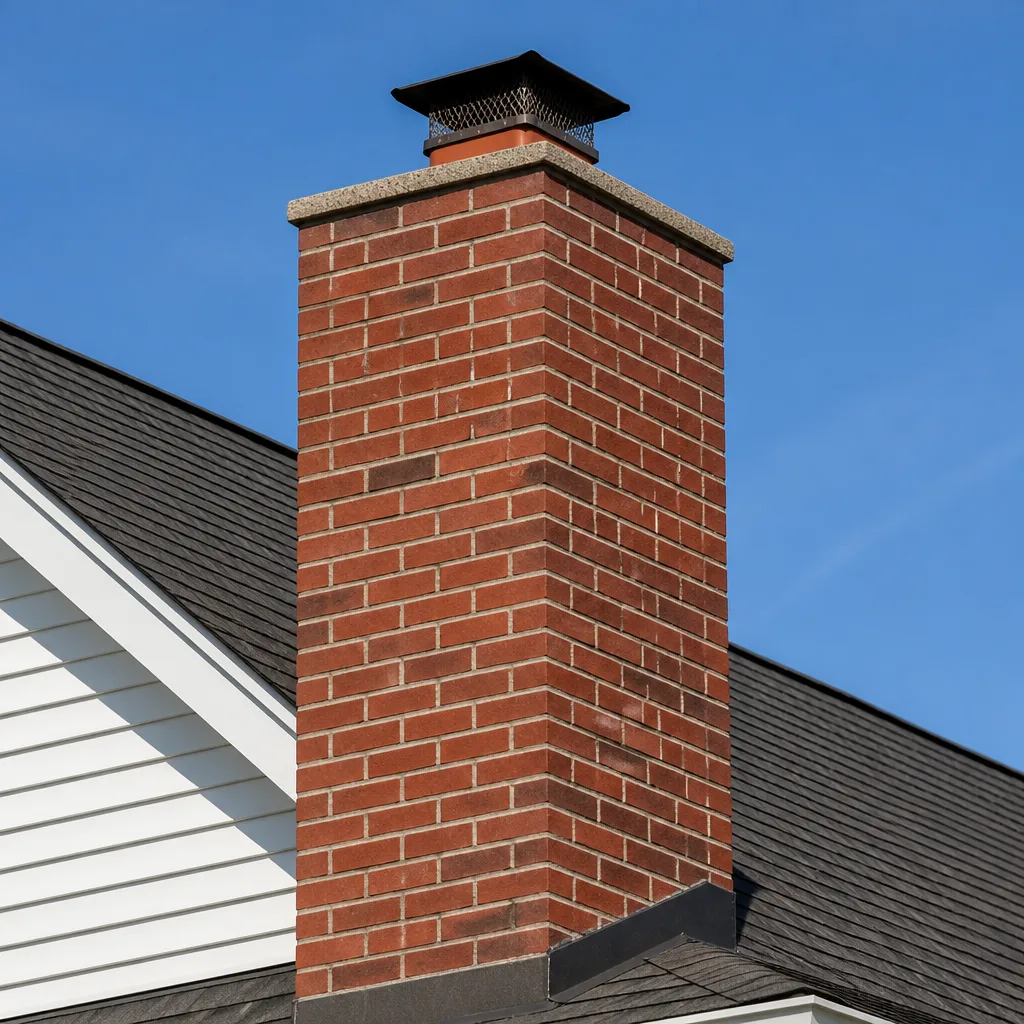 Masonry repair
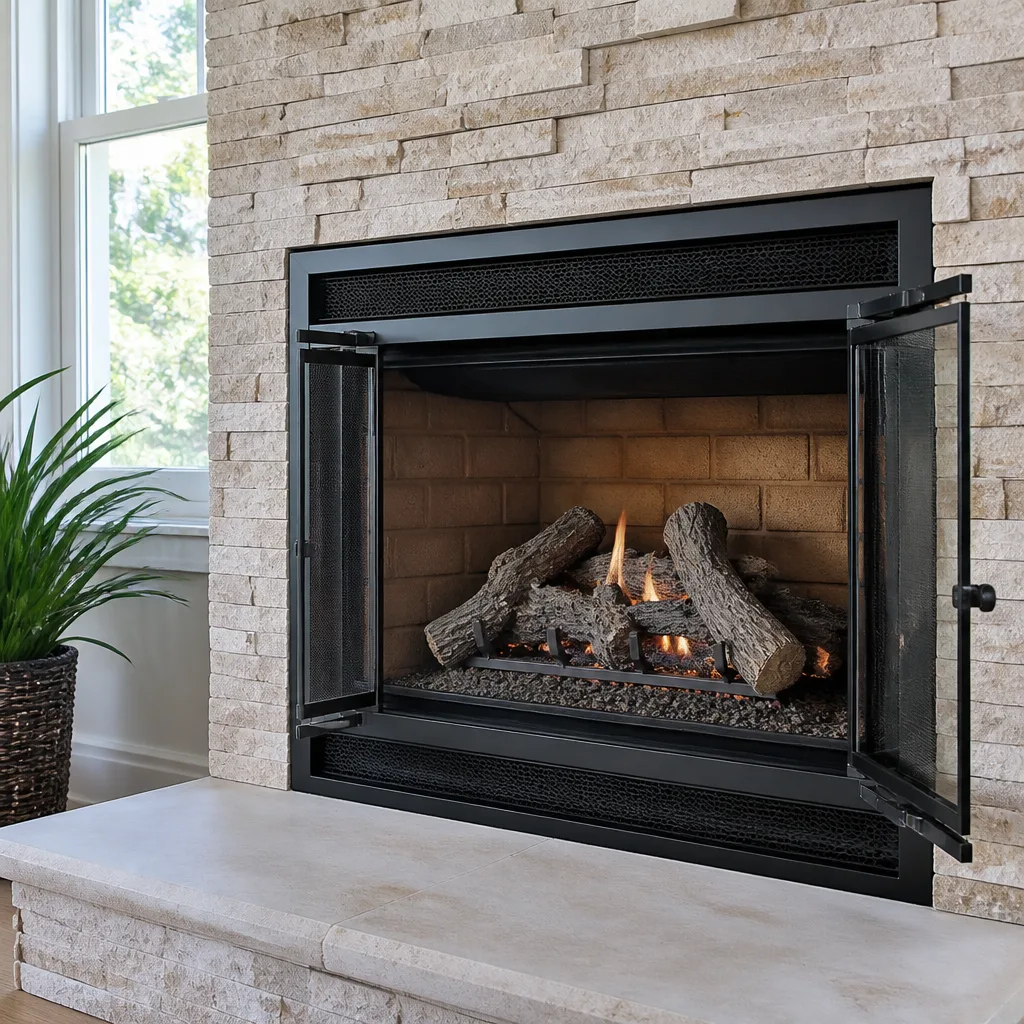 Gas fireplace service
Level 1 sweep and inspection to the NFPA 211 annual standard - flue, crown, cap, and flashing checked and photographed
Chimney sweep logs do not sweep chimneys. They loosen some creosote - which then falls where a brush and vacuum still have to collect it.
Chimney Cleaning Cost Breakdown: The Orem Homeowner’s Reference for 2026
Most chimney cleaning quotes in Utah don’t include an inspection. They include a sweep, which is a different service, and that gap between “sweep” and “visit” matters more than the number at the bottom of the quote. Two contractors can quote $99 and $350 for what sounds like the same job, and the difference is almost never markup. It’s scope. One is brushing a flue and leaving. The other is sweeping, inspecting the liner with a camera, writing up a report, and telling you what condition the whole system is in from cap to firebox. This guide breaks down every line item so Orem homeowners can compare quotes line by line instead of comparing totals and guessing.
Quick Answer
A standard chimney sweep in Orem typically runs $150 to $250, and a Level 2 inspection with camera is usually $200 to $350, so a full-scope visit with both often lands between $250 and $500. Repairs like crown sealing, cap replacement, or flashing re-seal are quoted separately, generally $150 to $900 depending on the repair type. The written estimate you receive sets the final price.
Styles & brands we work with
- Sweep & inspection
- Caps & crowns
- Flue relining
- Masonry repair
- Gas fireplace service
Table of Contents
- What a Full-Scope Chimney Visit Actually Covers
- Why Sweeps and Inspections Are Priced Separately
- What Camera Inspection Costs and What It Finds
- Standard Creosote Removal vs. Chemical Treatment
- How Repair Costs Are Quoted in Orem
- Why Low-Ball Quotes Fall Short
- How to Build a Scope-Equivalent Comparison
- Scheduling Around Orem’s Burn Season
What a Full-Scope Chimney Visit Actually Covers
A full-scope chimney visit in Orem is three services stacked into one appointment: a sweep, an inspection, and a written report of what was found. Each piece has its own price, and each piece can be quoted or omitted independently. That’s the first thing to understand before you compare two numbers side by side.
The sweep is the mechanical cleaning. A technician brushes the flue from the top down or bottom up, depending on the chimney’s configuration, and collects the creosote and soot that comes loose. The firebox, smoke chamber, and damper get cleaned too, because creosote accumulates in all three. A sweep that only touches the flue leaves the smoke chamber untouched, and the smoke chamber is where much of the residue actually builds.
The inspection follows. Chimney inspections are categorized in three levels, and the level should match the reason for the visit. A standard annual visit calls for a Level 1 inspection, which is a visual check of accessible parts of the system. Adding a camera to examine the interior of the flue makes it a Level 2 inspection, and that’s the level most Orem homeowners actually receive when they book a full-scope visit with us.
The written report is the third piece, and it’s the one most quotes don’t mention. A report documents what the technician found, classifies the creosote stage, notes any cracks or gaps in the liner, and lists recommended repairs with prices. Without that document, you have no record of your chimney’s condition and no way to track changes year over year.
Here’s the line-item breakdown of what those three pieces typically cost in Utah County for 2026:
| Line Item | Typical 2026 Range | What It Includes |
|---|---|---|
| Standard chimney sweep | $150 – $250 | Flue, firebox, smoke chamber, damper cleaning |
| Level 1 inspection | $100 – $175 | Visual check of accessible components |
| Level 2 inspection (camera) | $200 – $350 | Visual check plus interior flue camera |
| Written condition report | Often bundled | Documented findings and repair list |
| Full-scope visit (sweep + Level 2 + report) | $250 – $500 | All three services in one appointment |
Prices scale with the chimney. A single-story ranch with a short straight flue is easier to service than a two-story home with an offset flue that requires disassembly of the pipe sections. Orem has plenty of both. The older neighborhoods near downtown often have masonry chimneys with tile liners, while newer construction in the foothills tends to feature factory-built systems with insulated metal flues. Each type takes a different approach and a different amount of time, and the quote should reflect which one you have.
If you want to see the full range of services we offer for Orem homes, our Chimney Sweep Orem page lays it out from cap to firebox.
Why Sweeps and Inspections Are Priced Separately
A sweep and an inspection are two different services, performed with different tools, by technicians trained to do different things. A sweep is a mechanical task. An inspection is a diagnostic task. Bundling them into one number hides that difference, and it’s the reason so many quotes look lower than they actually are.
Think about the sequence. First the chimney has to be clean, because you can’t inspect what you can’t see. Creosote and soot coat the interior surfaces, and a camera pointed down a dirty flue just shows you a dark tube. The sweep happens first, then the inspection happens in a clean flue where cracks, gaps, and deterioration are actually visible.
Some contractors skip the inspection because the sweep is the visible, satisfying part of the job. The homeowner sees a clean firebox and a receipt, and everyone parts ways. But an inspection in a clean flue is where you learn things a swept chimney can’t tell you on its own:
- Whether the flue liner has cracks or gaps that let heat and gases reach combustible framing
- Whether creosote has built up into a glazed stage that brushing alone won’t remove
- Whether the crown at the top of the chimney is cracked and letting water into the masonry
- Whether the flashing where the chimney meets the roof has pulled loose
- Whether the cap is missing or damaged enough to let birds and rain into the flue
Every one of those findings has a repair attached to it, and every repair has a price. That’s why the scope of a visit matters so much. A homeowner who pays $99 for a sweep and never receives an inspection has no idea whether the liner is intact, and the first sign of a problem may be a chimney fire or a carbon monoxide alarm.
In our experience writing up Orem homes, we’ve found that a meaningful share of chimneys that get swept annually still have underlying liner or crown issues nobody has documented. That’s not a reason to alarm anyone. It’s a reason to insist that inspection be part of the appointment, not an optional add-on. Our chimney sweep service always includes the inspection step, because sweeping without looking is only solving half the problem.
If a contractor quotes you a sweep and tells you an inspection isn’t necessary, ask why. Sometimes there’s a real answer, like a recently inspected chimney that just needs cleaning for the season. Most of the time, the answer is that inspection wasn’t part of their scope to begin with.
What Camera Inspection Costs and What It Finds
A camera inspection typically adds $100 to $175 on top of a standard sweep, and it’s the single most useful upgrade in the entire cost breakdown. Here’s the direct answer to what it’s for: a camera shows you the inside of your flue, which no visual check from the firebox or the roof can do completely. It finds liner damage a flashlight beam simply misses.
Think about what a visual inspection from the roof can see. Looking down a flue from the top, a technician sees the uppermost section of the liner and nothing past the first offset or bend. From the firebox, they see the bottom of the flue and the smoke chamber. The middle 60 percent of a typical chimney is invisible without a camera, and the middle is where a lot of liner failures actually occur.
The camera runs the length of the flue on a flexible rod, and the technician watches the feed on a monitor while recording. On a Level 2 inspection, that recording becomes part of your written report, and you get to watch it yourself. That’s the point where our approach differs from a sweep-only visit: we inspect first, then recommend, and we back every recommendation with footage you can see.
What a camera inspection commonly finds in Orem chimneys:
- Hairline cracks in clay tile liners, often from years of heating and cooling cycles across Utah Valley’s temperature swings
- Spalled or missing mortar joints between tile sections, which create gaps where heat can escape
- Heavy glazed creosote deposits in the upper flue, the stage that brushing alone won’t remove
- Improperly sized flues, where the liner is too large for the appliance connected to it
- Obstructions, including nests, fallen tile, and debris from the crown
What the camera finds determines what happens next, and the range of possible next steps is wide. A minor gap in a mortar joint might be worth monitoring. A full length of cracked tile might mean a liner restoration. A camera inspection is the only way to tell the difference before you commit to either end of that range.
When you’re deciding whether to add a camera inspection to a quote, ask yourself what you’d do with the information. If your answer is “nothing, I just want it swept,” you can skip it. If your answer is “I want to know whether the thing is safe to burn,” the camera is the only way to get that answer.
Standard Creosote Removal vs. Chemical Treatment
Standard creosote removal is included in the price of a sweep, but only for Stage 1 creosote, the light, sooty, flaky stage that brushes off easily. Stage 2 creosote is harder and stickier, and it takes more time but usually stays within the sweep price range. Stage 3, glazed creosote, is the problem case. It’s a hard, shiny, tar-like deposit that fuses to the flue walls, and a standard sweep brush glides right over it.
Why does the stage matter? Because glazed creosote is the stage most associated with chimney fires. It’s the fuel that a hot spark can ignite, and it burns at temperatures the flue wasn’t designed to handle. A sweep that leaves glazed creosote in place hasn’t actually solved the safety problem, even if the firebox looks clean.
Chemical treatment for Stage 2 and Stage 3 deposits costs roughly $300 to $600 depending on the flue length and the extent of the deposits. The treatment works by applying a chemical agent that breaks down the glazed deposits over time, turning them back into a form that can be swept away. It’s typically a two-step process: the chemical is applied, it sits and works, then a follow-up sweep removes the softened material. It takes more than one appointment, which is part of why it costs more than a standard sweep.
| Creosote Stage | Typical Removal | Typical 2026 Cost |
|---|---|---|
| Stage 1 (light soot) | Standard brush sweep | Included in sweep ($150 – $250) |
| Stage 2 (hard, flaky deposits) | Extended sweep with harder tools | $200 – $350 |
| Stage 3 (glazed) | Chemical treatment plus follow-up sweep | $300 – $600 |
When the camera inspection reveals Stage 3 deposits, a contractor who isn’t set up for chemical treatment has only two options: brush it and pretend it isn’t there, or refer you elsewhere. We source treatment materials from brands like Gelco specifically because glazed creosote is common in Orem homes that burn through the winter and it needs the right product, not a stronger arm.
If you’re being told your chimney has glazed creosote, ask for the camera footage that shows it. It’s your flue. You should see what the technician sees before you agree to the treatment cost.
How Repair Costs Are Quoted in Orem
Repairs on a chimney are quoted per job, not per hour, and the quote should name the specific repair and the specific price. A quote that says “chimney repairs: $600” without naming what gets repaired isn’t a quote, it’s a placeholder. Here’s what fair pricing looks like for the repairs Orem homeowners run into most.
Crown sealing and crown repair
The crown is the concrete cap at the very top of the chimney that sheds water away from the masonry. Over years of freeze-thaw cycles, hairline cracks open up, and water works its way in. Sealing a crown that hasn’t failed yet typically runs $150 to $350. Rebuilding a crown that has failed, or has lost large chunks, runs $400 to $900 depending on size and access.
Orem’s winters are the reason this is such a common repair. Water soaks into the masonry during the wet months, freezes overnight, expands, and widens the crack. The freeze-thaw cycle repeats dozens of times each winter, and a crown that was fine two seasons ago can be substantially compromised now. Sealing a crown early is one of the cheapest ways to protect the rest of the chimney.
Chimney cap replacement
A cap is the metal or masonry cover that sits on top of the flue to keep rain, birds, and debris out. Replacement typically runs $150 to $500, depending on the material and whether the existing cap needs removal first. A missing or damaged cap is direct access for water and wildlife. Stainless steel caps last substantially longer than basic galvanized ones, and Olympia Chimney is one of the brands we use for this because the material holds up against weather that would rust out cheap steel in a few seasons.
Flashing re-seal
Flashing is the metal that seals the gap between the chimney and the roof. When it pulls away or the sealant degrades, water gets in at the roofline and can show up as a ceiling stain well away from the chimney. Re-sealing typically runs $200 to $500, and re-flashing a chimney that needs the metal replaced runs $400 to $800. This is one of the least expensive leaks to fix once it’s found and one of the most expensive to ignore, since water damage in roof framing compounds.
Liner restoration and relining
When the liner is damaged beyond what a simple repair can fix, there are two paths. Liner restoration resurfacing with the HeatShield system costs $1,500 to $3,000 and works by applying a resurfacing compound to the existing flue interior. It restores the integrity of the liner in many cases without the cost of a full reline. When restoration isn’t viable, a full reline with a DuraFlex flexible liner system runs $2,500 to $5,000 or more, depending on flue length and configuration.
The cost gap between those two paths is large, and the deciding factor is the condition of the liner, which is why the camera inspection comes first. Our chimney repair work always starts with the footage. If restoration is an honest option, we recommend it. If a full reline is what the liner actually needs, we say so, and we quote both so the comparison is yours to make.
One rule we apply to every repair quote: if the work can safely wait, we say so. Not every crack in a crown means a rebuild this month. Sometimes sealing it now and monitoring it next season is the right call.
Why Low-Ball Quotes Fall Short
A $99 chimney sweep quote is usually honest about what it includes: $99 worth of sweeping. The problem is what it doesn’t include, and that omission rarely shows up until the following season, when a small problem has had a year to grow.
What a low quote typically leaves out:
- Inspection. No camera, no documented findings. You get a clean flue and no information about its condition.
- Written report. Nothing to compare against next year, nothing to show a future buyer, no record of what was found.
- Smoke chamber cleaning. Some quick sweeps brush the flue and skip the smoke chamber, where creosote also accumulates.
- Stage 2 or Stage 3 creosote removal. If the flue has hard or glazed deposits, a basic sweep can’t remove them, but the quote didn’t mention the possibility.
- Crown and cap check. Visual checks from the roof, if performed at all, should include the crown, cap, and flashing. A sweep-only call often only covers the flue.
The scope you don’t pay for upfront shows up as a repair bill later. A crown crack that gets sealed for $200 today can mean masonry repair measured in thousands of dollars after a few winters of water intrusion. That’s not an upsell argument; it’s arithmetic. Sealing a crack costs a fraction of rebuilding what the crack destroys.
The other thing a low quote omits is documentation. A homeowner who’s been burned by a lazy sweep before learns to ask one question: what do I get in writing? A written report with camera footage is the answer. It’s also the answer to the “do I really need this repair” objection that comes up on every repair conversation, because the footage either shows the problem or it doesn’t.
Fly-by-night services aren’t usually fly-by-night about the sweep itself. Brushing a flue is not hard. They’re fly-by-night about what comes after the sweep, which requires equipment, product knowledge, and a relationship that extends past one visit. That’s the difference between a maintenance-only sweep crew and a repair-capable chimney specialist.
How to Build a Scope-Equivalent Comparison
The hardest part of comparing two chimney quotes is that the totals aren’t comparable until you know they’re for the same work. Here’s a numbered process for putting two quotes on equal footing before you decide.
- Ask each contractor what level of inspection is included. If one says Level 1 and the other says Level 2, the totals aren’t comparable. Level 2 is the level that includes a camera.
- Ask whether the smoke chamber is included in the sweep. A sweep that only brushes the flue is a partial sweep. The price should state which parts of the system are covered.
- Ask whether you get a written report and camera footage. The report is the deliverable. If there isn’t one, the price reflects a visit, not a full service.
- Ask what happens if the technician finds glazed creosote. Can the contractor treat Stage 3 deposits in-house, or do you have to call someone else? The answer tells you whether the quote is a menu or a plan.
- Ask whether repairs are quoted as line items or as a single number. A fair quote names the repair and the price. “Chimney repairs: $X” is a placeholder, not a quote.
- Ask for the crown, cap, and flashing to be included in the visual check. These are the three most common repair items and the ones most often skipped by a quick visit.
Once you’ve built that comparison, the totals mean something. A $250 visit with a camera inspection and a written report is often cheaper than a $99 sweep plus a $300 camera inspection booked separately, and it’s certainly cheaper than a $99 sweep followed by a repair the sweep never warned you about.
Our fireplace repair quotes follow the same principle: line items, not lump sums. If the firebox needs work, you see what’s being done and why, and you make the call from there.
Scheduling Around Orem’s Burn Season
Chimney work has a season in Orem, and the season runs opposite to when most people think about it. The busiest months for sweeps are late fall, right before heating season starts, when everyone remembers the fireplace at the same time. The easiest months to book are late spring and summer, when the fireplace is idle and the schedule is open.
There’s a practical argument for the warm months beyond availability. A chimney that’s swept and inspected in summer has all fall to address whatever repairs the inspection finds, before the first fire. A chimney swept in October that needed a crown seal in June is now a chimney that gets a temporary patch at best, and the repair slips another year.
The other seasonal factor is creosote accumulation rate. Creosote builds every time the fireplace is used, and a heavy-use winter can move a flue from Stage 1 to Stage 2 faster than a light-use winter. Orem homes that burn regularly through the heating season often benefit from an annual sweep, while occasional-use fireplaces can sometimes go longer between sweepings. The right interval is determined by the inspection, not by a formula.
The recommendation is straightforward: book a full-scope visit before the first fire of the season, ideally a few months before you plan to start burning. That puts you ahead of the fall rush and gives any needed repair time to happen before it matters.
Common Mistakes to Avoid
- Comparing totals instead of scopes. A $99 quote and a $350 quote aren’t the same job at two prices. Ask what’s included in each before deciding. The lower number often reflects a sweep only, with no camera inspection and no written report.
- Skipping the inspection because the sweep looked clean. A clean firebox tells you the sweeping worked. It says nothing about the condition of the liner, crown, or flashing. Those are the parts that fail and cause the expensive problems.
- Sweeping but never checking the crown. Orem’s freeze-thaw winters are hard on concrete crowns. A crown crack that gets sealed early costs a fraction of the masonry repair it prevents after a few seasons of water intrusion.
- Burning soft woods and expecting the same sweep interval. Different woods produce different amounts of creosote. A home that burns dry hardwood accumulates creosote at a different rate than one burning softwood, and the sweep interval should reflect which you burn.
- Ignoring glazed creosote because the brush passed over it. Stage 3 creosote doesn’t come off with a standard sweep brush. If a contractor sweeps and says the chimney is clean without addressing glazed deposits, the safety risk hasn’t actually been resolved.
- Booking a sweep without asking for a written report. The report is how you track your chimney’s condition year over year and how you show its history to a future buyer. No report means no baseline.
- Waiting until the fall rush to book. Late fall is the busiest time of year for sweeps. Booking in spring or summer gets you on the schedule faster and leaves time for repairs before the first fire.
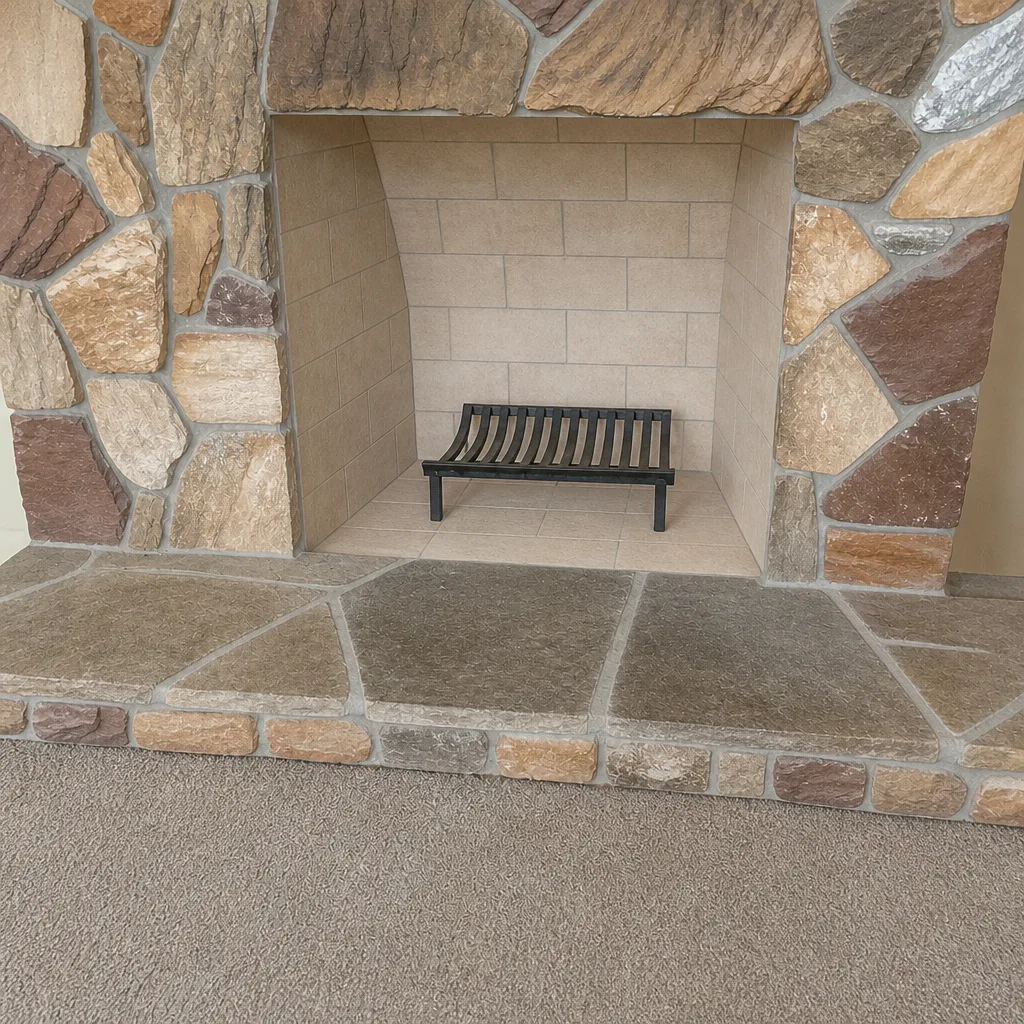
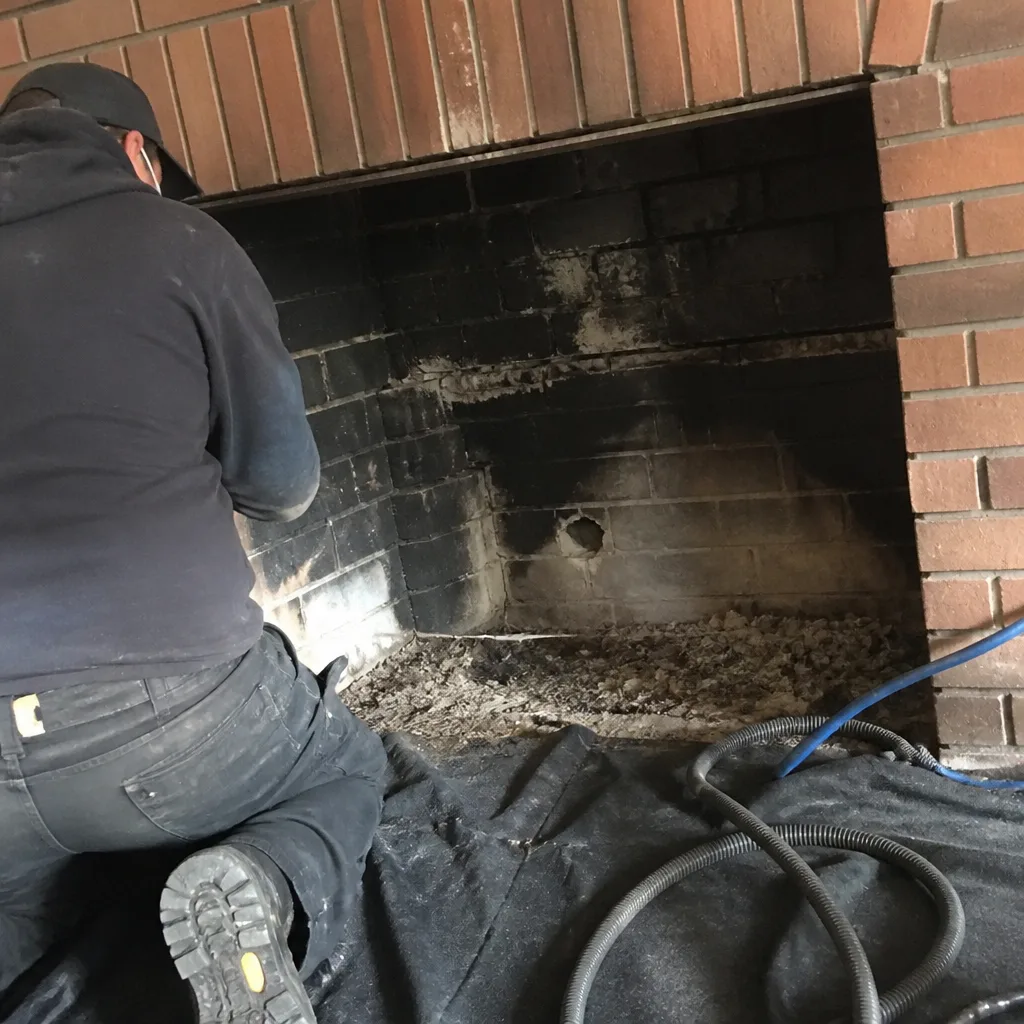
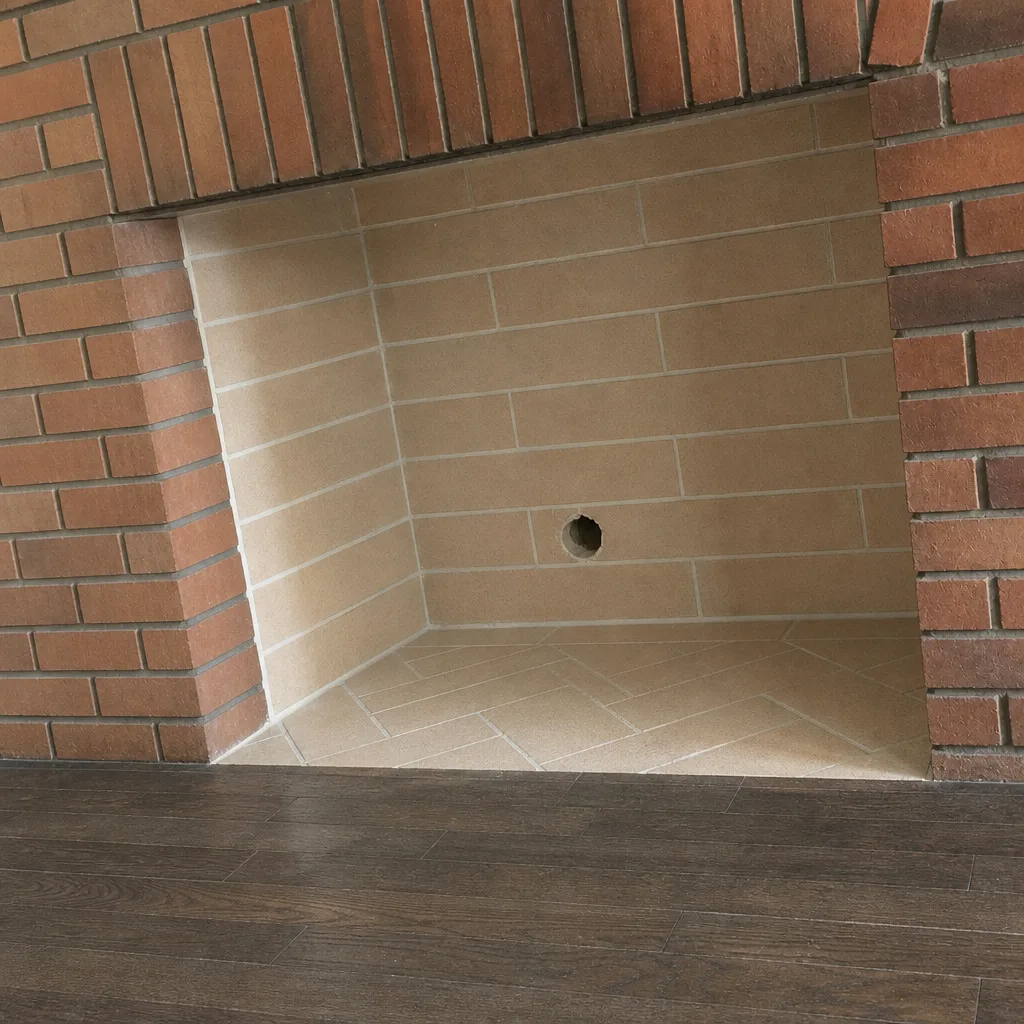
See the difference
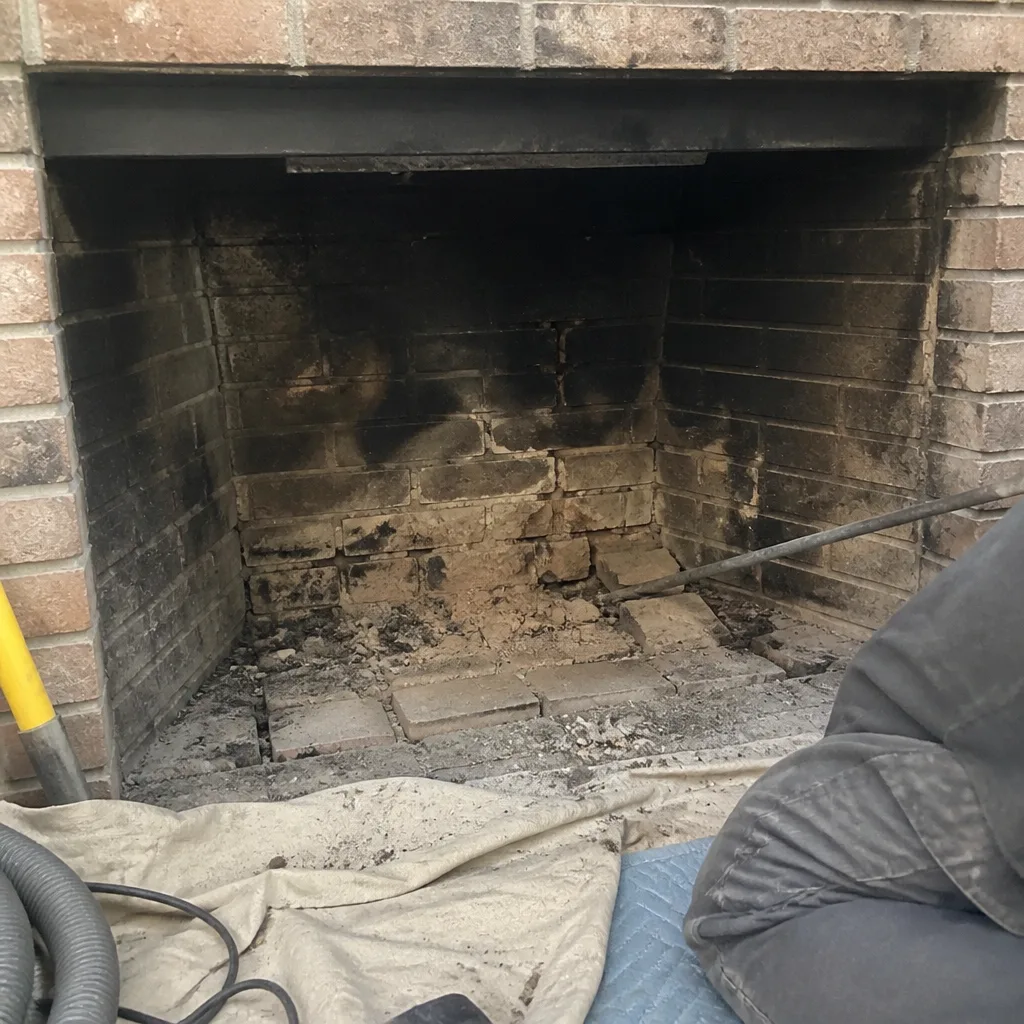 Before
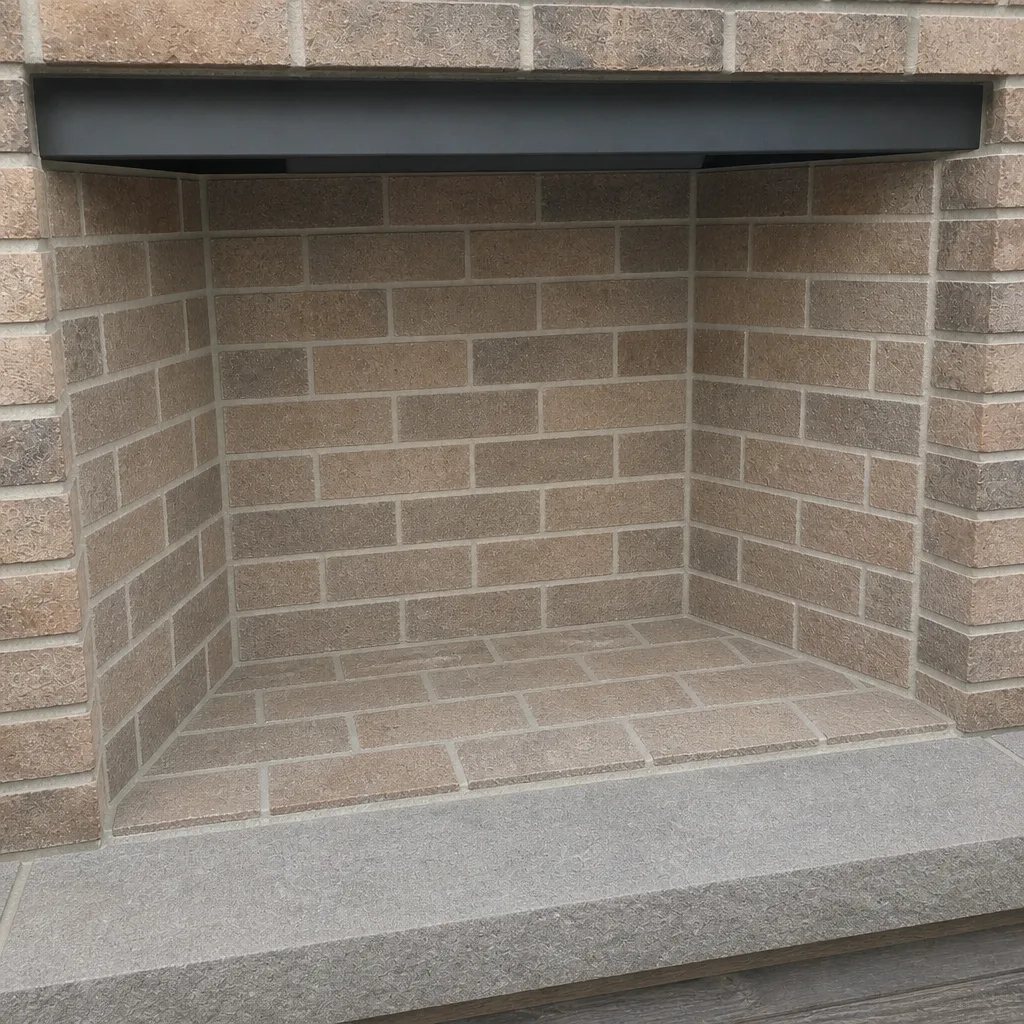 After
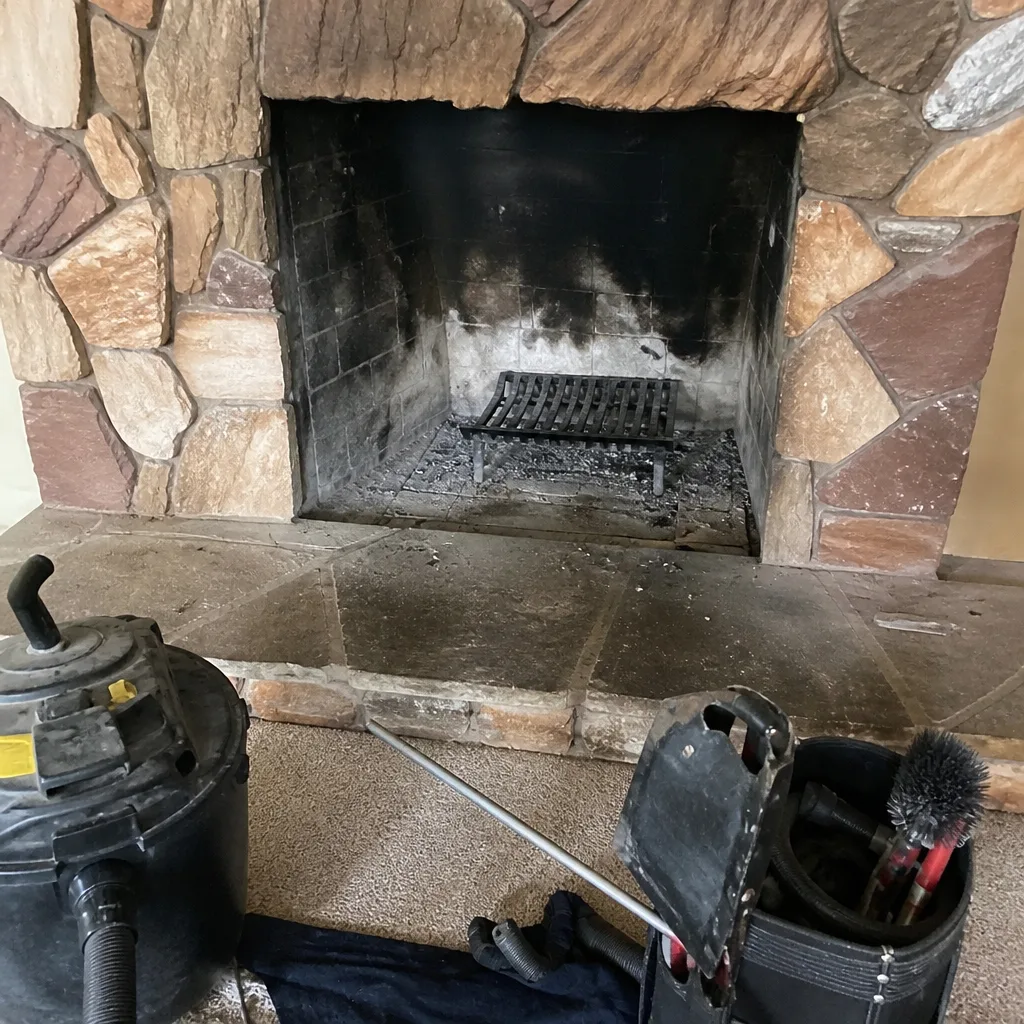 Before
 After
 Before
 After
When to Call a Professional
Call a professional chimney service when you smell a strong, acrid odor from the fireplace even when it isn’t in use, when you see soot falling back into the firebox, or when smoke spills into the room instead of going up the flue. Any of those can point to a blockage, a liner problem, or a creosote buildup that needs a trained eye. Call a professional immediately if you suspect a chimney fire has occurred, even a small one, because the damage to the liner may not be visible without a camera. And call when it’s simply been more than a year since the chimney was last inspected, regardless of how often you’ve burned. Chimney Sweep Orem offers free estimates in Orem. Call (855) 658-4390. We answer 24/7. Fast dispatch from 7am to 7pm, Sunday through Friday.
Frequently Asked Questions
A standard sweep in Orem typically costs $150 to $250 in 2026, and a full-scope visit that includes a Level 2 camera inspection and a written report usually runs $250 to $500. The written estimate sets the final price. Call (855) 658-4390 for an exact quote: estimates are free.
A camera inspection is the only way to see the middle of the flue, which a visual check from the firebox or the roof can’t reach. Most liner damage in Orem homes happens in that middle section. If you want to know whether the liner is intact before you burn, the camera is what gets you that answer.
The general rule is once a year for a home that burns regularly, though the right interval depends on how much you burn and what you burn. A camera inspection tells you the actual condition of the flue and whether your own interval should be shorter or longer than a year. Call (855) 658-4390 for a full-scope visit that gives you that answer.
Creosote accumulates with every fire, and at the glazed stage it becomes fuel for a chimney fire. A blocked or damaged flue can also let carbon monoxide back into the home instead of venting it outside. Neither problem announces itself before it happens, which is why annual inspection matters more than the sweeping itself. Call (855) 658-4390 to schedule a visit and get a written report on your chimney’s condition.
Low quotes usually cover a sweep only: no camera inspection, no written report, and no check of the crown, cap, or flashing. The lower number reflects a smaller scope, not a better price. Ask what’s included in each quote before comparing totals.
A full reline with a flexible liner system typically runs $2,500 to $5,000 or more in Orem, depending on flue length and configuration. Liner restoration with the HeatShield resurfacing system is sometimes possible for less, typically $1,500 to $3,000, if the liner can be restored rather than replaced. A camera inspection determines which path applies. Call (855) 658-4390 for a free estimate with the footage included.
The Bottom Line
Chimney cleaning cost in Orem comes down to scope. A sweep is $150 to $250, an inspection is a separate service, and the full-scope visit that includes both plus a written report is $250 to $500. Repairs are quoted separately and should always be itemized. The $99 quote and the $350 quote aren’t the same job at different prices; they’re different jobs. Compare scopes, not totals. Ask for the camera footage, ask for the written report, and ask which stage of creosote the flue is carrying. Our technicians have up to 9 years of experience, and we inspect first, then recommend, so any repair you hear about has footage behind it. If the work can wait, we’ll tell you that too.
Chimney Sweep Orem provides chimney sweeping, chimney inspection, chimney repair, fireplace repair, and chimney cap and crown work for homeowners in Orem, using materials from professional-grade brands including DuraFlex, HeatShield, Gelco, Olympia Chimney, Famco, and Copperfield. Call (855) 658-4390 for a free estimate. We answer 24/7. Fast dispatch from 7am to 7pm, Sunday through Friday.
Written by the team at Chimney Sweep Orem.