
Last updated November 25, 2026
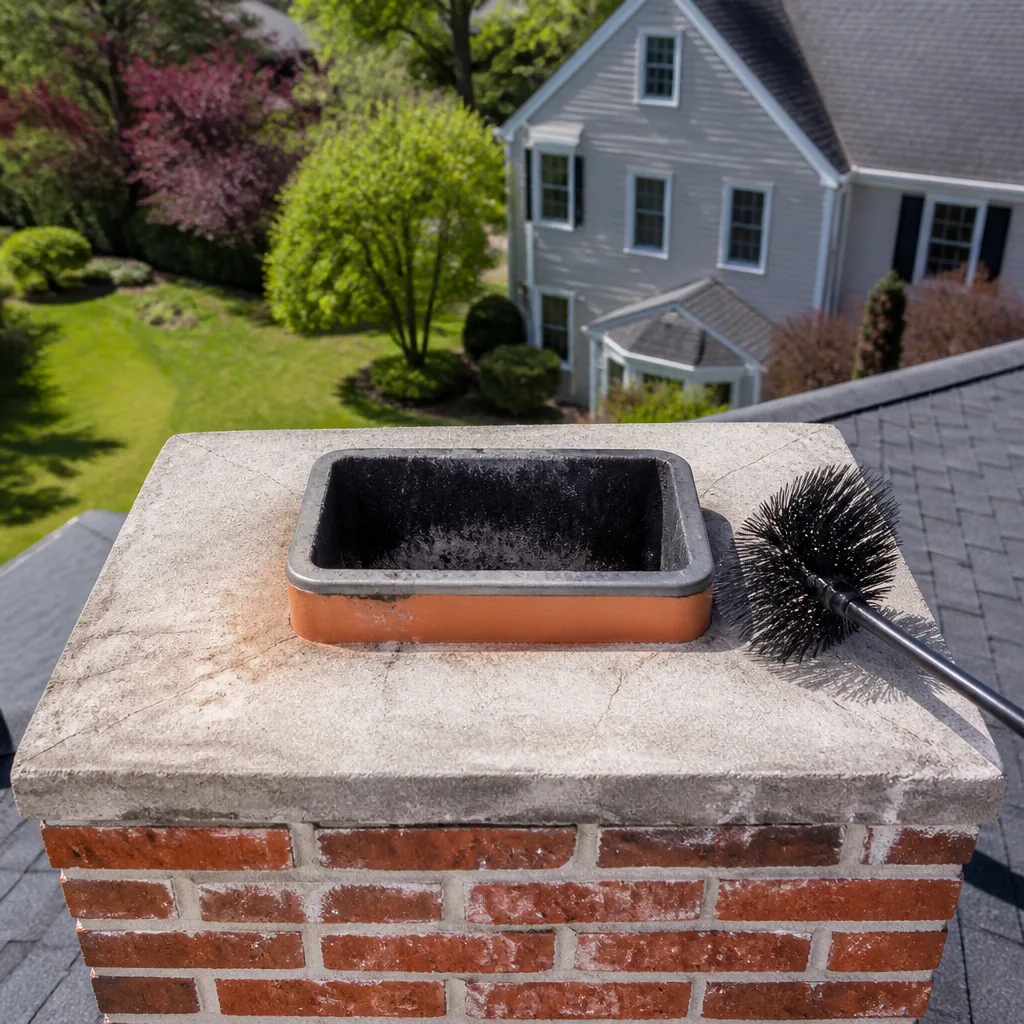 Sweep & inspection
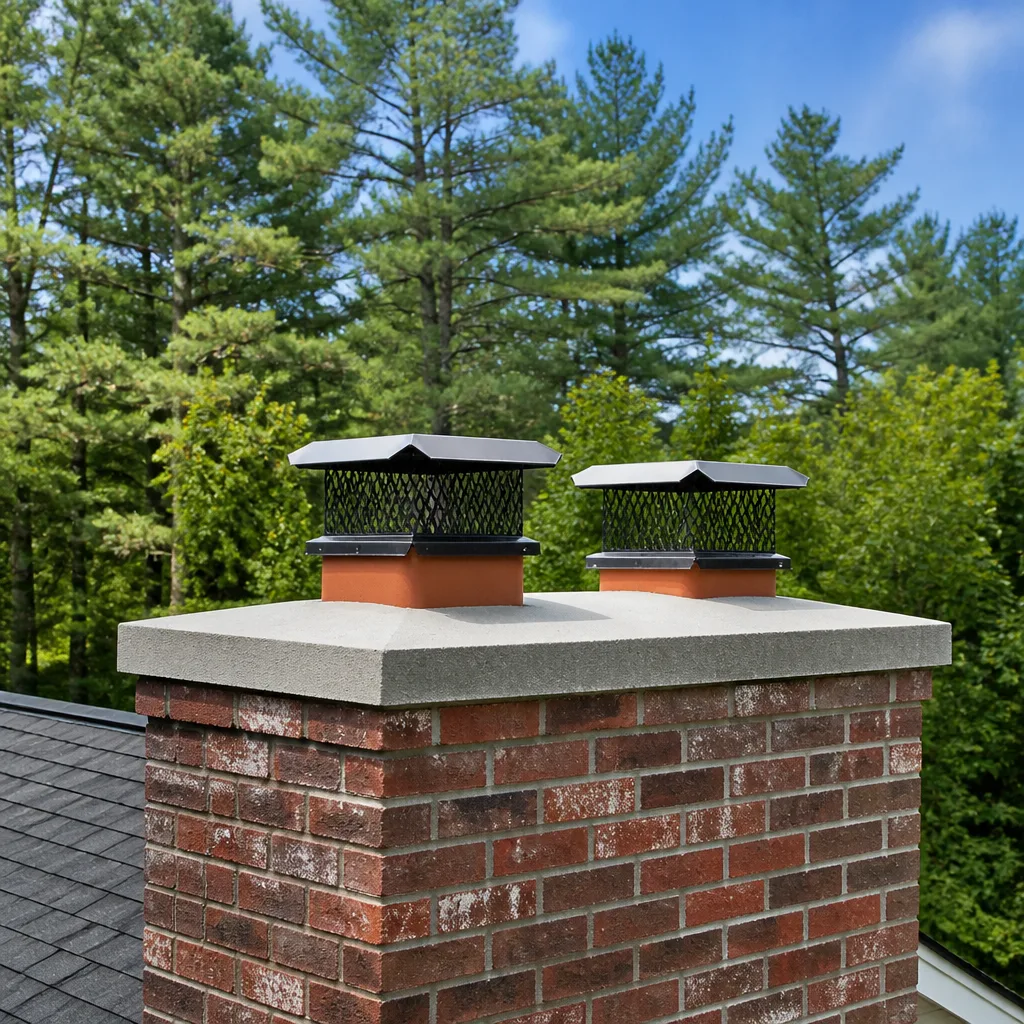 Caps & crowns
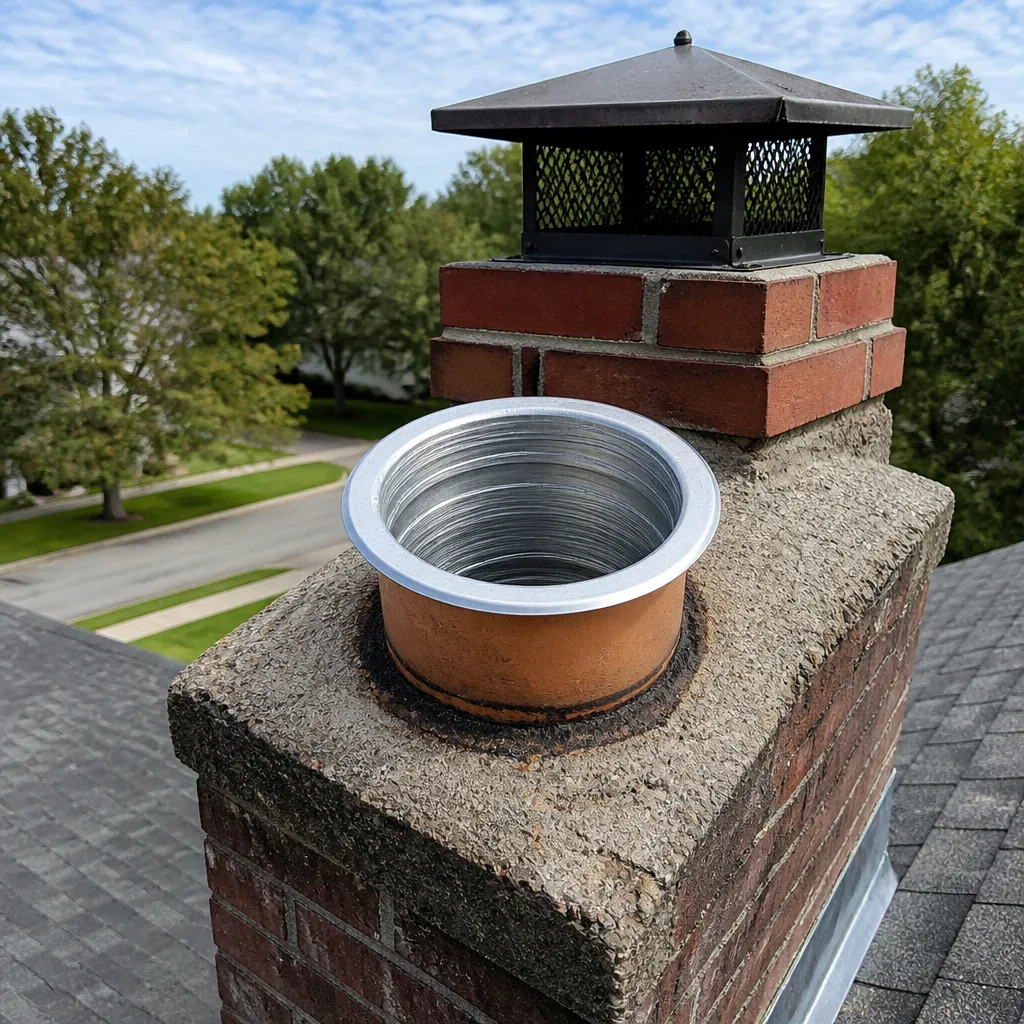 Flue relining
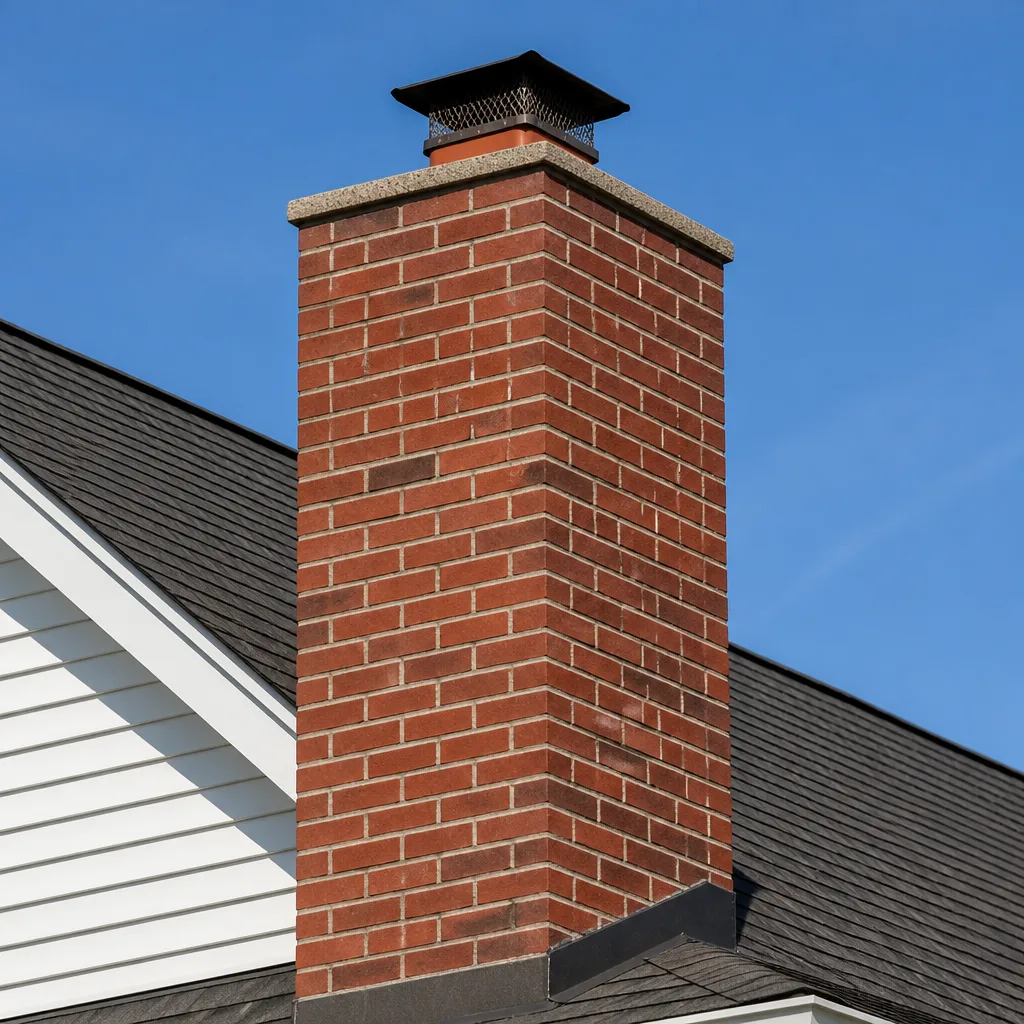 Masonry repair
 Gas fireplace service
Level 1 sweep and inspection to the NFPA 211 annual standard - flue, crown, cap, and flashing checked and photographed
Chimney sweep logs do not sweep chimneys. They loosen some creosote - which then falls where a brush and vacuum still have to collect it.
Chimney Cleaning Warning Signs: An Orem Homeowner’s Reference Guide
A white stain on your chimney’s exterior isn’t a cosmetic issue – it’s your masonry telling you water is moving through it, and the stain is the least of your problems. Most homeowners in Orem read that chalky bloom as “old brick” and move on, right up until a freeze-thaw cycle turns a hairline crack into a chunk of missing mortar. The same holds inside: rust, smoke rollback, and a smoky smell on a cold day are all symptoms with specific causes, not random quirks. This reference guide maps each warning sign to what it actually means about your chimney system, tells you which ones can wait and which can’t, and gives you a flashlight-and-eyes method for sorting cosmetic wear from real structural failure.
Quick Answer
The warning signs that most reliably mean your chimney needs service are white efflorescence or crumbling mortar on the exterior, rust stains or a smoky odor around the firebox, smoke rolling back into the room, and dark glazed creosote inside the flue. Some of these are cosmetic; others point to water intrusion, a failing liner, or a blocked flue and should be checked before your next fire. An annual Chimney Sweep Orem inspection is how you tell the difference without guessing.
Styles & brands we work with
- Sweep & inspection
- Caps & crowns
- Flue relining
- Masonry repair
- Gas fireplace service
Table of Contents
- Symptom-to-Cause Index: What Each Sign Actually Means
- Efflorescence and Spalling: What Water Is Doing to Your Masonry
- Why a Smoky Smell Without a Fire Is a Moisture Problem, Not a Draft Problem
- How to Read Your Firebox With a Flashlight
- Orem Water, Mineral Deposits, and the Mortar-Failure Look-Alike
- Smoke Rollback, Rust, and Other Draft Signaling Trouble
- No-Burn Signs vs. Wait-for-Maintenance Signs
- Creosote and the Hidden Warning Inside the Flue
Symptom-to-Cause Index: What Each Sign Actually Means
Start here when something looks off and you want a straight answer faster than a service call. Each warning sign you can see from the ground or the hearth points to a specific part of the chimney system, and that part tells you what kind of repair you’re likely facing. Use this as a first-pass index, then read the section that matches your symptom for the detail.
- White chalky stain on brick or mortar: efflorescence, meaning water is passing through the masonry and depositing salts on the surface. It points to water intrusion, not age.
- Crumbling or flaking mortar joints: spalling. Water is freezing inside the masonry and pushing the outer layer off. This is structural, not cosmetic.
- Rust streaks on the firebox or damper: moisture has been sitting in the system, often from a missing or failing cap at the roofline.
- Smoky smell with no fire burning: a moisture problem pulling stale creosote odor into the room, not a draft problem.
- Smoke rolling back into the room: a blocked or undersized flue, or a pressure imbalance in the house.
- Dark, shiny, tar-like coating inside the flue: glazed creosote, the stage that burns hottest and is the reason sweeps exist.
- Loose or missing chimney cap: the entry point for most of the water damage above it on this list.
One sign on its own is a question. Two or more clustered together, especially efflorescence plus rust plus a smoky smell, usually means water has been getting in for a while and the damage has had time to spread from the cap down to the firebox.
Efflorescence and Spalling: What Water Is Doing to Your Masonry
The two most common exterior warning signs look similar and mean very different things. Efflorescence is the white, powdery bloom that appears on brick and mortar. Spalling is the flaking, peeling, or crumbling of the masonry surface itself. Efflorescence is the early warning; spalling is what happens when that warning goes unaddressed through a few winters.
Efflorescence
When water gets into masonry and then moves back out, it carries dissolved salts with it. Those salts dry on the surface as a white deposit. Seeing it means moisture has found a path in, most often through a missing or cracked chimney cap, a failed crown at the top, or open mortar joints. In our experience, efflorescence near the top of the chimney is almost always a cap-and-crown problem, while a bloom that starts lower suggests water is entering at a joint or flashing.
Spalling
Orem’s winters run cold enough for repeated freeze-thaw cycles. Water that’s in the masonry freezes, expands, and pushes the brick face off. What you see is flaking, pitting, or chunks of mortar missing from the joints. Spalling is structural: the masonry is losing material, and it will keep losing it each winter until the water source is closed off and the masonry is repaired. A flashlight and a pair of eyes at ground level are enough to spot it. Run your eyes up every joint on the chimney’s face and look for the telltale crumble.
This is the kind of work a maintenance-only sweep crew won’t touch, and it’s why a chimney repair scope that includes cap and crown typically costs more than a sweep but prevents far more expense than it adds.
Why a Smoky Smell Without a Fire Is a Moisture Problem, Not a Draft Problem
If you catch a smoky smell in the room on a warm day with no fire burning, the instinct is to blame the draft. It’s almost always moisture instead. Here’s the mechanism: when creosote and soot deposits inside the flue absorb water, the cycle of evaporating and re-condensing releases a campfire-like odor into the room. The smell is strongest on humid days, right after rain, or when the house is closed up – all conditions that point to moisture, not a draft.
A true draft problem behaves differently. A draft issue shows up when you light a fire and the smoke won’t go up – it rolls back, spills into the room, or the fire is sluggish and smoky. That’s a pressure or flow problem, and it’s about what happens during a fire, not between fires.
The difference matters because the repair is different:
- Smoky smell, no fire: find and seal the water entry (cap, crown, flashing), then clean the deposits that are holding the moisture. Fixing the draft won’t touch the smell.
- Smoke rollback during a fire: look at the flue’s condition and size, the damper, and the house’s pressure balance. Sealing water entry won’t help.
If the smell tracks with weather, look outside and up. A loose cap or a cracked crown at the roofline is the common culprit, and both are work we handle from the top of the chimney system down.
How to Read Your Firebox With a Flashlight
The firebox is where you can do the most useful self-checking with the least risk, because it’s at eye level and you’re not on a roof. Light it up with a bright flashlight, ideally in a dark room, and inspect in this order. This is a look-and-report exercise, not a repair exercise – if anything looks structural, that’s a professional’s call.
- The firebrick faces. Look for cracks wider than a hairline, missing chunks, or white powder on the brick faces. Thin, uniform crazing is normal wear; a crack you can fit a fingernail or a coin into is not.
- The mortar joints between firebricks. Missing mortar, gaps, or a joint you can scrape with a key means the firebox is losing its heat barrier. That’s a structural concern, not cosmetic.
- The damper and its frame. Check that the damper opens and closes smoothly and seats fully. Rust streaks in this area point to moisture.
- The firebox to hearth seam. Look for gaps where the firebox meets the hearth and the surround. Any gap is a place smoke and heat can escape into the wall cavity.
- Above the damper, with a light aimed up: look for heavy soot, tar-like deposits, or shiny glazed creosote on the flue walls. If you see reflective, tar-like coating, that’s a no-burn sign – stop here and call.
Flashlight-and-eyes separates cosmetic wear (surface soot, light crazing, discolored brick) from structural signs (open joints, wide cracks, missing firebrick). When the answer isn’t obvious from your own inspection, a documented chimney sweep and a dedicated inspection will show you what’s actually happening with photo evidence rather than a hunch.
Orem Water, Mineral Deposits, and the Mortar-Failure Look-Alike
Orem’s municipal water is hard – high in dissolved calcium and magnesium – and that has a specific effect on chimney masonry that’s easy to misread. When hard water reaches brick or mortar and then dries, it leaves mineral deposits that can look like a crumbling mortar joint. The difference is texture: a mineral deposit sits on the surface and can often be brushed or scraped away, while failing mortar is missing material, soft, and sandy when you touch it. A trained eye can tell them apart quickly; a homeowner often can’t, and that’s where the needless repair estimate comes from.
Orem’s climate adds a second layer. The valley gets cold winters with plenty of freeze-thaw cycles and warm, dry summers, so exterior masonry swings between soaking and drying. Sprinkler overspray aimed at a chimney face is a common source of the hard water that starts the deposit cycle. Take a look at where your irrigation heads point when the system runs; if any spray hits the chimney, that’s easy to redirect and it stops the problem at the source.
Two Orem-specific contexts worth knowing:
- Roof-line placement. Homes on the slopes above the city center see more wind-driven rain against the chimney face than homes in flatter parts of town, which makes cap and crown condition especially important.
- Housing stock. The mix of older brick homes and newer construction across Orem means the chimney systems vary widely in age and material, and so do the warning signs you’ll see on them. A symptom that’s a real problem on an older brick chimney can be a simple deposit on a newer one.
If a masonry contractor tells you the whole chimney needs rebuilding based on a white stain alone, get a second opinion. There’s a middle path – HeatShield liner resurfacing lets us restore the flue lining in many cases without the cost of a full reline, which is the practical answer when the warning signs point to interior deterioration rather than a masonry rebuild.
Smoke Rollback, Rust, and Other Draft Signaling Trouble
Smoke rollback is the clearest warning sign that something is wrong during a fire, and it doesn’t mean the same thing as an occasional puff when you light. Rollback is smoke that consistently refuses to go up the flue and spills into the room. Rust following the same path is a related clue. Check for these specific signs:
- Smoke spilling into the room during a fire: a blocked or restricted flue, a damper that isn’t opening fully, or a flue whose size no longer matches the firebox opening.
- Rust streaks on the firebox, damper, or smoke chamber: water has reached the interior. Look up at the cap first – if it’s missing, damaged, or not seated, the water is coming in from the roofline.
- Dark creosote streaks at the top of the firebox: a sign the flue above is heavily loaded and the fire is burning with less oxygen than it needs.
- A sluggish fire that never draws well: often a house-pressure issue from a strong exhaust fan or a tight modern house, but worth checking the flue before assuming that.
Rust and rollback are frequently connected, because a chimney that’s taking on water from a failed cap will rust from the inside and interfere with draft all at once. If you’re seeing a streak pattern rather than an even deposit, that’s moisture tracking from above. This is exactly the kind of repair that involves the whole system – the fireplace repair end of the work and the chimney-repair end are the same visit, not two contractors.
No-Burn Signs vs. Wait-for-Maintenance Signs
Some warning signs mean you should stop using the fireplace until it’s checked. Others mean you should schedule service before the next heating season. Sorting them correctly is how you protect the house without overreacting to cosmetic wear. Here’s the split, stated plainly.
Stop burning and get the chimney checked
- Glazed, shiny, tar-like creosote inside the flue.
- Smoke that rolls back into the room during a fire.
- A firebrick or firebox joint that’s visibly open or cracked.
- A smoky, dusty odor indoors that won’t clear, combined with rust anywhere in the system.
- Any sign of a chimney fire in the past – cracks, warped metal, or fused creosote around the flue.
Do not try to inspect or clear glazed creosote from inside the flue yourself, and do not go up on the roof to check a chimney cap at height. A fall off a pitched roof is the one injury in this trade that’s entirely avoidable. Those checks need a trained professional with the right tools and fall protection.
Schedule at next maintenance
- Efflorescence that hasn’t spread or worsened since last year.
- Light surface soot and normal discoloration on the firebox brick.
- Minor hairline crazing on firebrick with no missing mortar.
- A smoky odor that’s mild and only appears in humid weather.
Even the “wait” list belongs on the calendar rather than the back burner, because Orem’s winters are the test. The freeze-thaw season is when a small masonry issue becomes spalling and a light deposit becomes a moisture problem. Book the inspection before the cold weather starts, and the “wait” list stays short.
Creosote and the Hidden Warning Inside the Flue
Most of this guide is about signs you can see. The most dangerous warning sign lives inside the flue, and you need a trained eye and a light to find it. Creosote comes in stages, and each stage changes how safe your fireplace is and how it has to be handled.
- First-degree creosote: light, flaky soot. The routine sweep stage. Annual cleaning keeps it from moving up the ladder.
- Second-degree creosote: dark, crusty deposits. Brushable, but heavier. Needs a proper brush and technique.
- Third-degree creosote: glazed, shiny, tar-like. The stage that burns hottest and won’t come off with a standard brush. A sweep with the right equipment knows how to deal with it, and a homeowner shouldn’t try.
Because you can’t see it from below, a visual firebox check is a screen, not a diagnosis. The flue is why we sweep and inspect as separate steps – a dedicated inspection gives you a documented assessment of what’s actually in the flue, and a sweep clears it. When we do handle a repair, we match the material to the problem rather than the other way around: DuraFlex flexible liner systems for a full reline, HeatShield resurfacing for liner restoration, and the cap-and-crown work done with materials from Olympia Chimney or Famco so the repair lasts.
Common Mistakes to Avoid
- Reading efflorescence as “just old brick.” The white bloom is a water-entry report, and treating it as cosmetic lets the freeze-thaw cycles do the real damage over the following winters.
- Blaming a smoky smell on the draft. A smoky odor without a fire is almost always a moisture problem, and fixing the draft won’t touch the smell.
- Assuming a white stain means the whole chimney needs rebuilding. In Orem’s hard-water climate, a mineral deposit from sprinkler overspray can mimic a failing mortar joint. Get it looked at before you sign anything.
- Burning with glazed creosote in the flue. A shiny, tar-like coating is a no-burn sign, not a “get around to it” sign.
- Checking the cap from the roof yourself. A pitched roof in Orem’s winters is a fall risk; the cap can be checked safely from the ground with a trained eye.
- Cleaning the flue yourself without knowing the creosote stage. Third-degree creosote needs equipment and technique a homeowner doesn’t have, and the wrong brush spreads the problem instead of removing it.
- Letting a maintenance sweep crew look at structural signs. A sweep that can’t fix the problem will hand you an upsell instead of a repair. Get the cap-to-firebox scope checked by a team that handles all of it.
See the difference
 Before
 After
 Before
 After
 Before
 After
When to Call a Professional
Call for a professional look when you see glazed creosote, rust in the firebox, smoke rollback during a fire, open firebox joints, or a white stain that’s getting worse year over year. Call if you don’t know the last time the chimney was inspected, or if anything on your “wait” list has been sitting there since the previous winter. The purpose of a professional inspection is to get evidence, not a verdict. You should see the condition of the flue for yourself, on camera, with photos – not just a list of work someone says you need. Chimney Sweep Orem offers free estimates in Orem – call (855) 658-4390. We answer 24/7. Fast dispatch from 7am to 7pm, Sunday through Friday.
Frequently Asked Questions
Efflorescence – the white, chalky bloom on the exterior brick or mortar – is the most common, and in Orem it’s often confused with the mineral deposits hard water leaves behind. A trained eye can tell the two apart by texture and placement. Call (855) 658-4390 for an exact quote – estimates are free.
Not necessarily a cleaning; a smoky smell without a fire is a moisture problem, not a draft problem. It usually traces to water entering the system through a failed cap or crown, and the fix is sealing the water entry and clearing the deposits holding the moisture. Call (855) 658-4390 for an exact quote – estimates are free.
Once a year for most homes that burn regularly, and more often if you notice glazed creosote or a heavy soot load. Orem’s cold winters mean the fireplace works hard, and the annual inspection is what catches the warning signs before they become repairs. Call (855) 658-4390 for an exact quote – estimates are free.
One of two things: a chimney fire, or a slow water-damage cycle that ends in structural masonry repair. Neither shows up as a surprise if you’ve read the warning signs – they cluster, and they’re visible before anything dangerous happens. Call (855) 658-4390 for an exact quote – estimates are free.
Yes, by asking to see it. A legitimate inspection shows you the flue on camera with photos, and any recommendation should be traceable to something you can see yourself. Nothing is recommended without evidence, and we’ll tell you plainly when work can safely wait. Call (855) 658-4390 for an exact quote – estimates are free.
Cleaning removes what’s in the flue; inspection assesses what’s happening to the whole chimney system from cap to firebox. They’re offered as separate services because each answers a different question, and the inspection is what tells you whether the warning signs point to a real problem. Call (855) 658-4390 for an exact quote – estimates are free.
The Bottom Line
The warning signs on this list are readable long before anything dangerous happens, and most of them point to a specific part of the system you can actually see. White bloom means water is moving through the masonry. Crumbling mortar means it’s freezing in there. A smoky smell with no fire is moisture, not draft. Rust is water that got in at the top. Glazed creosote is the one you can’t see – and the one worth an inspection. In Orem’s climate, the freeze-thaw season is what turns a small sign into a structural repair. Read your chimney, then let a professional confirm what you found. From cap to firebox, we inspect first, then recommend.
Contact
If your own flashlight-and-eyes check turned up one or more of these warning signs, don’t sit on it through another Orem winter. One call covers the whole system – inspection, sweeping, and the repairs the inspection finds. Call (855) 658-4390 for a free estimate. We answer 24/7. Fast dispatch from 7am to 7pm, Sunday through Friday.
Written by the team at Chimney Sweep Orem.