
Last updated November 25, 2026
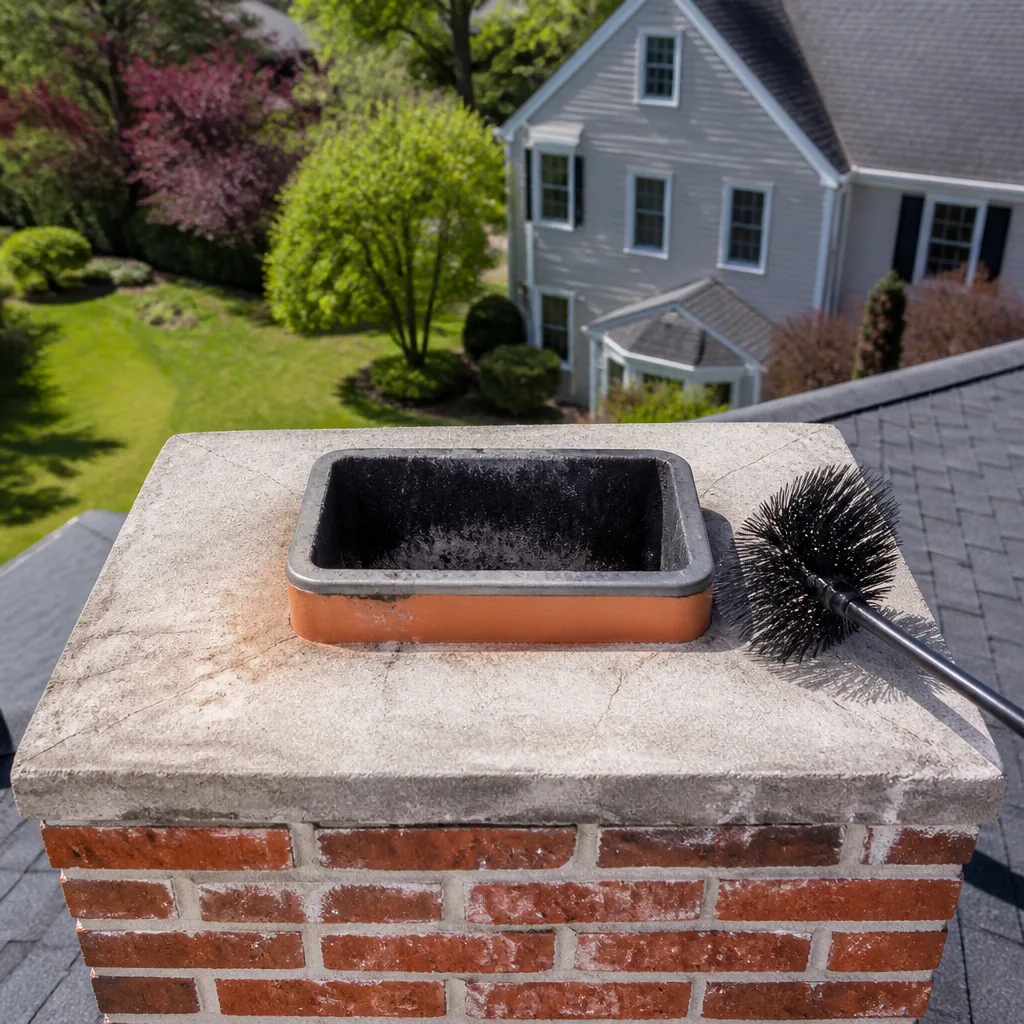 Sweep & inspection
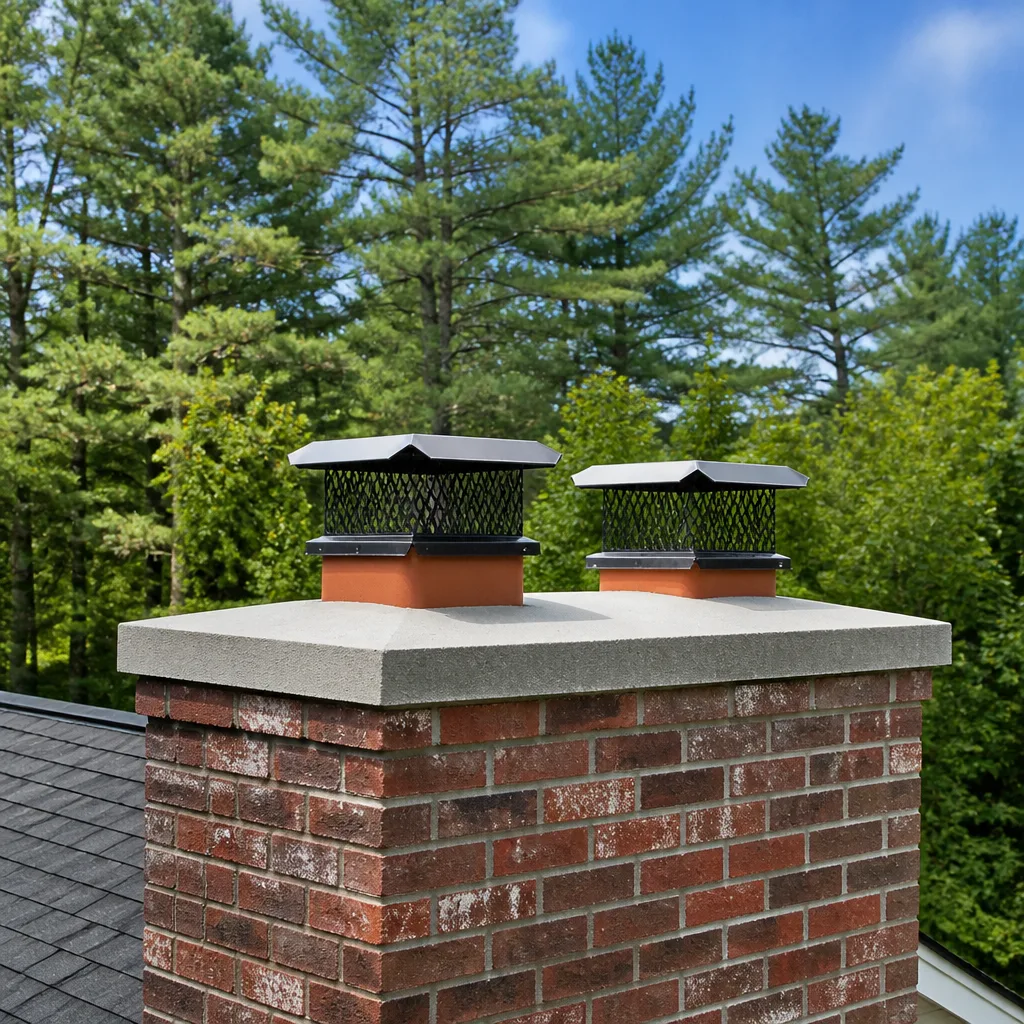 Caps & crowns
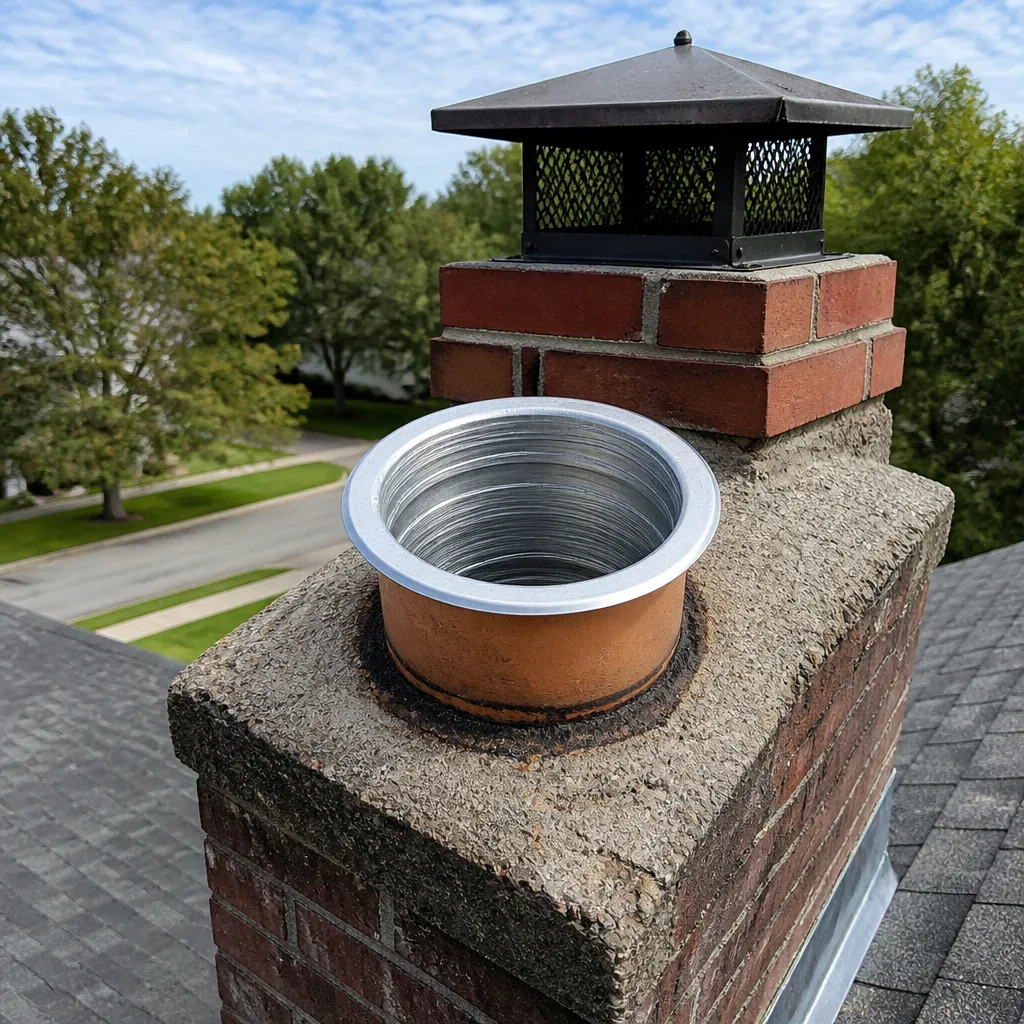 Flue relining
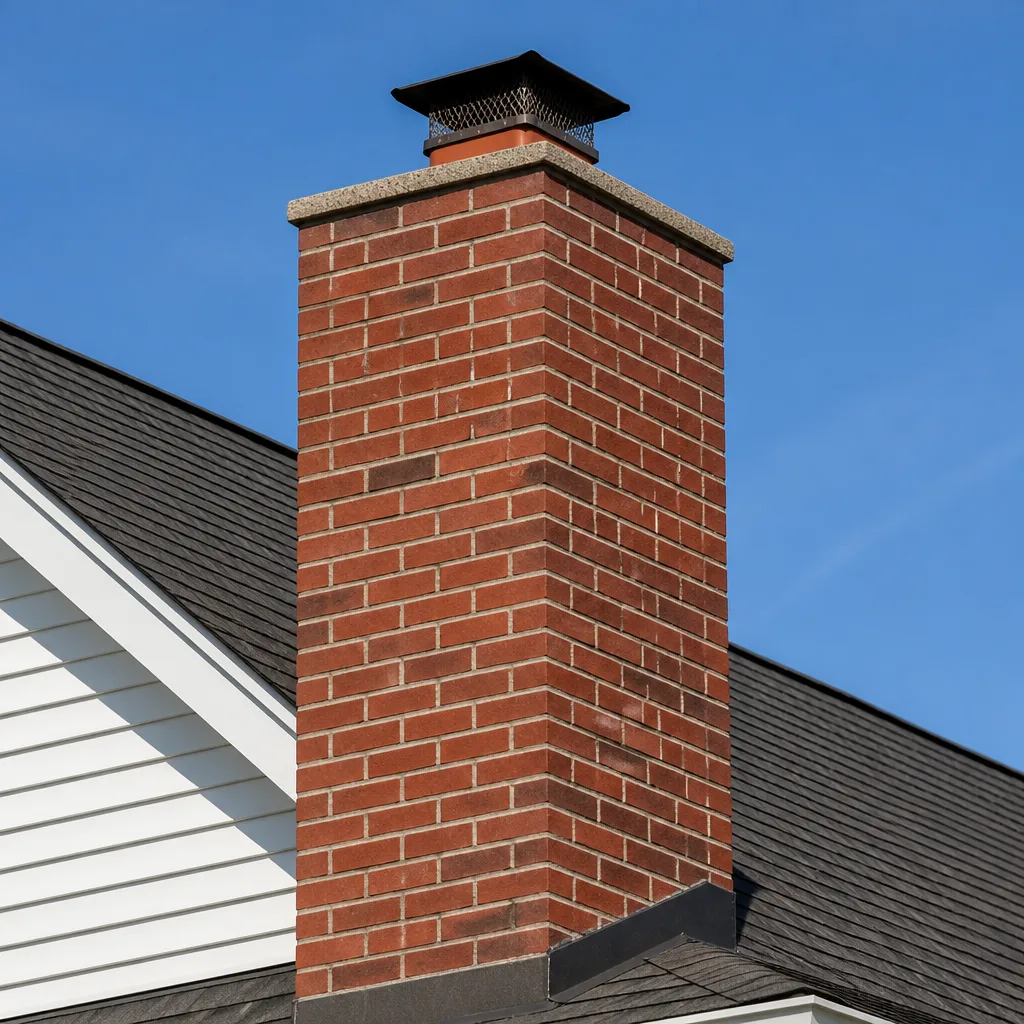 Masonry repair
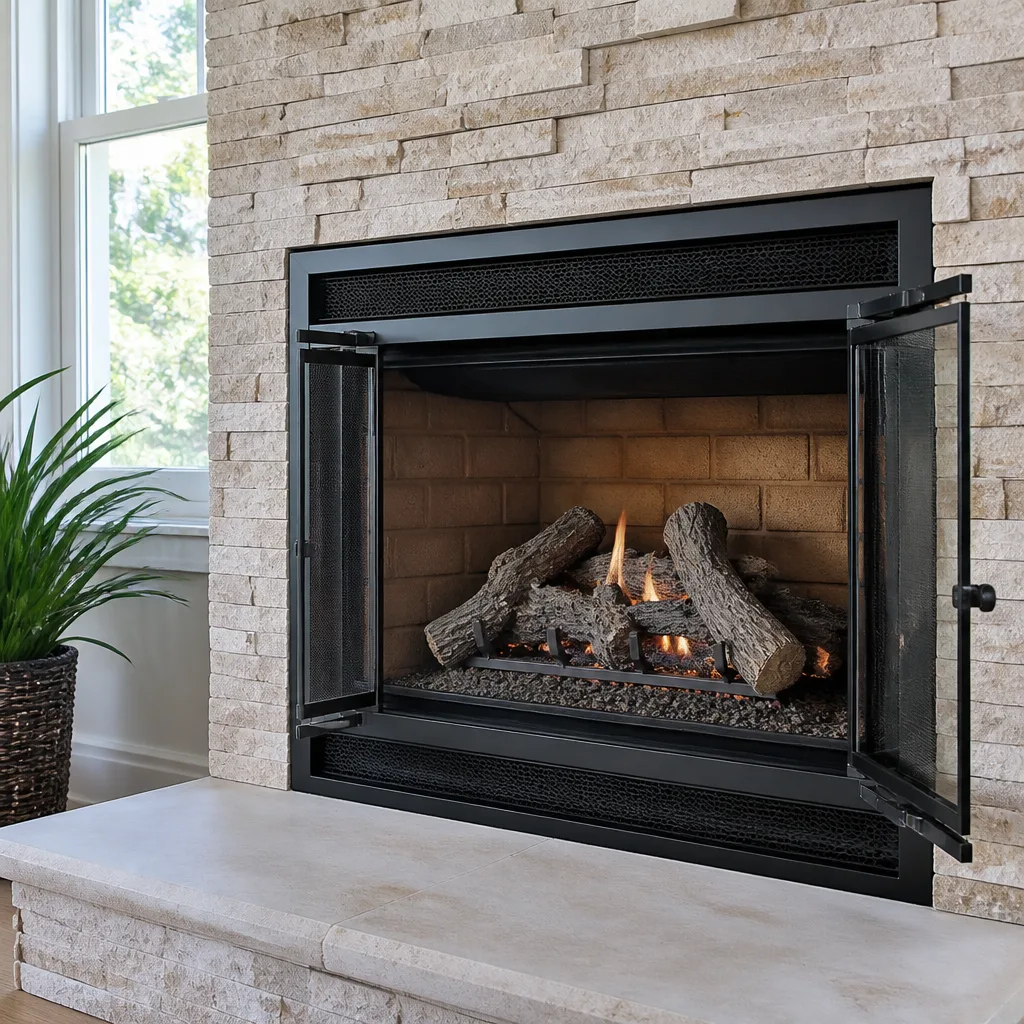 Gas fireplace service
Level 1 sweep and inspection to the NFPA 211 annual standard - flue, crown, cap, and flashing checked and photographed
Chimney sweep logs do not sweep chimneys. They loosen some creosote - which then falls where a brush and vacuum still have to collect it.
Chimney Sweep Maintenance Checklist for Orem Homeowners
The most common piece of chimney advice you’ll hear is “get it swept once a year.” That’s true, but it’s also where most guidance stops, and it’s why so many chimney problems in Orem get discovered later than they should. The real gap is the twelve months between professional visits. That’s plenty of time for a hairline crack in the crown to let in enough moisture to start compromising a flue liner, or for a loosened cap to let birds and rain into a flue you thought was sealed. This guide gives you a room-by-room, ground-up checklist you can run yourself, no roof climbing required, so you can tell the difference between normal weathering and something worth calling about. You’ll finish knowing exactly what to check, what you’re looking at, and when to pick up the phone.
Styles & brands we work with
- Sweep & inspection
- Caps & crowns
- Flue relining
- Masonry repair
- Gas fireplace service
Quick Answer
A homeowner-level chimney maintenance checklist covers three zones you can safely reach: the firebox and damper, the firebox-to-flue transition visible from inside, and the exterior cap and crown visible from the ground with binoculars. Check for creosote buildup, damper seal, cracked or missing mortar, a rusted or loose cap, and water stains. Anything involving the flue interior, a damaged liner, or a crown that’s structurally failing needs a professional inspection. In Orem, the best times to run this checklist are after the spring thaw and again before the first fire of fall.
Table of Contents
- Why a yearly sweep isn’t enough on its own
- The ground-up inspection sequence
- Firebox-level visual cues that point to liner trouble
- What to look for on the crown and cap after spring thaw
- Checking damper function and seal before the first fire
- Same-week call vs. log and monitor: how to triage what you find
- Seasonal timing for an Orem climate
- Common mistakes to avoid
- When to call a professional
- Frequently asked questions
Why a yearly sweep isn’t enough on its own
A sweep clears what’s built up inside the flue. It doesn’t watch your chimney for the other eleven months, and it can’t stop a small exterior problem from turning into an interior one. Chimneys fail from the outside in more often than people expect. Water gets into cracks you can’t see from the living room, freezes and expands through Orem’s cold snaps, and each cycle widens the gap. That’s how a crown crack the width of a fingernail becomes a liner problem over a couple of seasons.
The counterintuitive part is that a chimney that drafts well and smells fine can still be quietly deteriorating. Good draft tells you the flue isn’t badly blocked. It says nothing about whether the liner behind the masonry is intact, whether the crown is shedding water where it should, or whether the cap is doing its job. Those are separate checks, and they’re exactly the ones a homeowner can learn to run between visits.
Our view is simple: an informed homeowner makes a better customer. We’d rather you spot a problem yourself and call us early than discover it after a leak has spread. That’s the spirit of this checklist. It’s built to make you a sharper judge of your own chimney, not to hand off the thinking to someone else. If you’d like a thorough baseline before you start monitoring on your own, a professional Chimney Sweep Orem visit gives you a documented starting point. From there, the between-visit checks below are yours to run.
One more point on why this matters in Orem specifically. Our high-desert climate swings hard between hot, dry summers and cold winters with repeated freeze-thaw cycles. Masonry doesn’t mind one extreme or the other nearly as much as it minds the back-and-forth. Every winter puts stress on mortar joints, crowns, and caps, and every spring thaw reveals what the winter did. A checklist timed to those cycles catches problems while they’re still cheap to fix.
The ground-up inspection sequence
Run this sequence in order, starting low and working up, so you don’t miss something at eye level because you were distracted by the roof. It takes about fifteen minutes and needs no ladder. You’ll need a flashlight, a pair of binoculars for the roofline, and a notebook or phone to photograph anything you find.
- Interior, inside the firebox. With no fire burning for at least a full day, look up into the firebox and the smoke chamber above it. Note creosote texture (crumbly, flaky, or glossy and tar-like), soot color, and any visible cracks in the firebrick or mortar joints. Photograph what you see for comparison next season.
- Damper. Test that it opens and closes smoothly and seats fully. Note any gap, rattle, or resistance. We cover this in its own section below because it deserves attention on its own.
- Firebox surround and hearth. Look for loose mortar, chipped brick, rust on the firebox grate or any metal fittings, and water staining on the surround or the floor around the hearth.
- From the ground, looking up. Step outside and use binoculars to inspect the cap, the crown, and the visible portion of the chimney stack. Look at the flue opening under the cap, the mortar joints between courses, and the top edge where the crown meets the flue. Photograph from several angles.
- Chimney-adjacent roofline and flashing. Still from the ground, look at where the chimney meets the roof. Note any gaps, slipped flashing, or missing sealant at the joint. This is a visual check only; don’t climb.
- Log it. Write down or photograph each finding, along with the date. That log becomes your reference point for next season and for any professional inspection.
The sequence matters because problems at the top show up at the bottom. A crown that’s leaking will leave water stains in the firebox surround a season later. If you start at the firebox, note the stain, then spot the crown crack on your rooftop scan, you’ll connect the two. That’s the kind of observation a good inspector rewards with a faster, sharper assessment, and it’s what “we inspect first, then recommend” means in practice.
Firebox-level visual cues that point to liner trouble
You can’t see the flue liner from the firebox, but you can see the signs a failing liner leaves behind. Most of these are subtle at first, which is why they’re easy to dismiss as normal wear. They aren’t. A liner is doing its job until it isn’t, and these are the cues that tell you it’s starting to lose integrity:
- Glossy, tar-like creosote rather than dry, flaky, or crumbly creosote. This is the third-degree form, and it’s the kind that fuels chimney fires. It means your burn conditions and draft are off, and it’s a signal to look harder at the flue.
- White, chalky deposits on the firebox walls or on the mortar. This is efflorescence, and it can mean moisture is working its way through from a liner or masonry breach.
- Flaking or spalling on the firebox firebrick. Small chips at the corners are normal in a used firebox. Crumbling, powdering, or pieces flaking away is a sign of water intrusion behind the brick.
- Dark staining or soot streaks on the fireplace surround, mantle, or above the firebox opening. Soot that’s escaping the front of the firebox can mean draft is being compromised higher up.
- A change in how the fireplace drafts. If it used to pull well and now smokes at startup, or you smell smoke in the room when the fire’s going, that’s a draft signal worth investigating before the next fire.
- Visible cracks in the smoke chamber or the interior of the firebox ceiling. Any crack in the firebox ceiling is a candidate for a professional look, since it can open directly toward the liner behind it.
These cues don’t tell you the liner is definitely damaged. They tell you it’s worth checking with a professional camera inspection, which is a different service than a sweep. When we find a problem, we can often restore a liner with HeatShield rather than replace it, so you’re seeing what needs to happen before the cost of a full reline becomes the only option. For unrelated fireplace issues, like a sticking damper or damaged firebox brick, our fireplace repair work handles it as a standalone job.
What to look for on the crown and cap after spring thaw
Spring thaw is the single best time to inspect your chimney’s exterior in Orem. The winter freeze-thaw cycle is the hardest thing our masonry faces, and the thaw leaves the evidence in plain sight. Use binoculars from the ground and take a slow, deliberate pass. The trick is knowing what’s normal and what isn’t.
Normal weathering: a fine, even spiderweb pattern of hairline cracks across the crown’s top surface, comparable to the crazing on a well-used ceramic dish. Slight darkening of the crown where water naturally runs off. A little moss or lichen near the edges. These are cosmetic and worth logging, not panicking about.
Actionable damage: a crack you could slip a coin into, or any crack wide enough that the gap is visible from the ground without magnification. A crown that’s pulling away from the flue at the seam. Missing chunks, spalling to bare aggregate, or a crown that’s tilted and no longer crown-shaped. These are letting water in and need a professional assessment. A crown that’s failed is a number-one cause of the more expensive problems below it.
On the cap, look for these same signals plus one specific to the cap: is it still seated on all sides of the flue, or is it off-kilter? Rust or corrosion on a metal cap’s seams, a cap with cracked or missing screen panels, or a cap that’s no longer fully covering the flue opening all point to water and wildlife getting in where they shouldn’t. A properly seated, intact cap and a sound crown are how you protect a liner from the outside in. When either needs replacement or repair, we source from brands like Gelco, Olympia Chimney, and Copperfield so the cap and crown match the rest of the chimney rather than being a generic patch. For the structural side of this work, see our chimney repair service.
Checking damper function and seal before the first fire
The damper is the one moving part in your fireplace, and it’s the one most likely to fail gradually without anyone noticing. A damper that’s stuck open leaks heat out of the house all winter and lets cold air down the flue when the fire’s out. A damper that’s stuck closed traps creosote and smoke and can be a real hazard the first time you light a fire. Here’s how to check it safely, before the first fire of the season:
- Make sure there’s no fire and the firebox is fully cold. No embers, no warm ash. Give it at least 24 hours after the last fire.
- Open the damper fully. It should move smoothly from the closed position to fully open with even resistance. Note any grinding, snapping, or hard sticking.
- Close it fully. It should seat flat against its frame with no visible gap. A flashlight aimed past the damper from inside the firebox can catch any light sneaking through when it’s closed.
- Look up at the damper plate and frame. Rust, warping, bent hinges, or a plate that’s rattling loose all signal the damper needs attention. A cracked or warped damper plate won’t seal.
- Test the damper’s feel with the firebox cold. A smooth, firm seat and clean movement are what you want. Anything that catches, grinds, or leaves a gap is worth noting in your log and phoning in.
Do not force a stuck damper. If it won’t move, or if opening it makes a metal-on-metal scrape, that’s a “call a professional” item, not a “get a bigger pry bar” item. A forced damper can crack its frame or break the linkage, and that turns a cheap repair into a bigger job. Our technicians have up to 9 years of experience with dampers and the rest of the fireplace assembly, and a sweep visit is the right time to have one checked.
Same-week call vs. log and monitor: how to triage what you find
Every finding from your checklist falls into one of three buckets. The discipline is knowing which bucket before you call anyone, so you’re asking for the right thing and you’re not paying for a visit something can wait for. Here’s how we’d sort it:
Call same-week:
- Glossy, tar-like creosote inside the firebox or smoke chamber. This is a fire risk, and it doesn’t improve on its own.
- Smoke coming into the room when a fire is burning, or a smell of smoke with no fire going.
- Visible cracks in the firebox ceiling or crumbling firebrick.
- A crown crack wide enough to slip a coin into, or a crown visibly separated from the flue.
- A cap that’s off its seat, has missing screen sections, or is no longer covering the flue.
- A damper that won’t open, won’t close, or leaves a visible gap when closed.
- Water staining in or around the firebox, or on the fireplace surround.
Log and monitor until the next scheduled visit:
- Fine, cosmetic crazing on the crown with no wide cracks and no separation.
- Dry, flaky creosote that’s built up but not tar-like and glossy.
- Minor soot on the firebox walls with no streaks on the surround.
- A cap with cosmetic weathering but no gaps, rust-through, or missing panels.
- Normal seasonal drafts or slightly stiff damper movement with a clean seat.
Worth a conversation, not necessarily a call: anything you’re genuinely unsure about. A photo sent to a professional is free and it costs nothing to ask. When you do call us for a chimney sweep, we’ll tell you plainly which of your findings are real problems and which can safely wait. That’s the whole point of “we inspect first, then recommend,” and it’s also why our inspection is a documented standalone service, not an upsell tagged onto a sweep.
Seasonal timing for an Orem climate
Chimney maintenance in Orem has two natural checkpoints on the calendar, and they line up with our seasons. The first is after the spring thaw, usually once the last hard freeze is behind us. That’s when winter damage shows itself: crown cracks opened by freeze-thaw cycling, mortar joints that have loosened, and water stains at the firebox that appeared over the winter. Run the full ground-up checklist at that point, then log your findings for comparison next spring.
The second checkpoint is before the first fire of fall. That’s the time to focus on the firebox, damper, and draft, and to make sure a sweep is scheduled before you’re actually relying on the fireplace. A sweep booked in late summer clears the season’s accumulation so the first fire of fall drafts clean and the damper seats properly. Booking ahead also gives you room to have any repair done without rushing it.
The eleven months between those two checkpoints are where this checklist earns its keep. Check your firebox and damper once a month during the burn season. Do a quick binocular pass on the exterior after any big wind or storm. Note anything that changes in your log. Then when your next professional visit comes around, you’ll arrive with a season’s worth of observations instead of a vague sense that “it’s been a while.” Our technicians have up to 9 years of experience reading exactly this kind of history, and a homeowner’s log makes our job easier and your estimate sharper.
Common Mistakes to Avoid
- Treating a sweep as the whole maintenance picture. A sweep clears creosote; it doesn’t inspect the crown, cap, or liner. Budget time for both a sweep and an inspection on separate schedules, or ask for both in one visit if your timing allows.
- Skipping the exterior after spring thaw. Orem’s freeze-thaw cycles do the most damage to a chimney between November and March. Not walking the exterior from the ground each spring is how a crown crack gets a full season to work on the liner below it.
- Assuming good draft means good health. A chimney can draft beautifully while the liner behind the masonry is quietly failing. Draft is a blockage test, not a condition report. Use the firebox cues in this guide to look deeper.
- Forcing a stuck damper. Prying on a stuck damper to get the fire going is a common temptation. It can crack the frame or break the linkage and turn a simple fix into a bigger job. If it won’t open easily, call it in.
- Booking a sweep but not asking for findings. A sweep that clears the flue and leaves no record of what it saw is only half a visit. Ask for the findings, the photos, and a written note of anything worth watching.
- Waiting for a problem to get obvious before calling. The whole point of a between-visit checklist is catching problems while they’re small. If something on your list is clearly a “call same-week” item, call it in that week.
- Ignoring the cap until the flue is blocked. A loose or damaged cap is easy to skip because it’s up high and doesn’t affect daily use. It’s also the first line of defense against water and wildlife, and a blocked flue from a missing cap is a seasonal surprise you can prevent.
When to Call a Professional
Call right away if you smell smoke in the room with no fire going, if smoke backs into the room when a fire is burning, if you see cracks in the firebox ceiling or crumbling firebrick, or if you find glossy, tar-like creosote in the firebox or smoke chamber. Call within the same week for a crown crack you could slip a coin into, a crown separated from the flue, a cap that’s loose or missing screen panels, or a damper that won’t seat. Water staining in or around the firebox also warrants a call. And call before the first fire of fall if it’s been more than a year since your last sweep, regardless of what you find on your own checklist.
Chimney Sweep Orem offers free estimates in Orem. Call (855) 658-4390. We answer 24/7. Fast dispatch from 7am to 7pm, Sunday through Friday. Our inspection is a documented assessment, and the local pro is licensed and insured as their state requires. The written estimate sets the final price, so you know what a repair costs before any work starts.
Frequently Asked Questions
Once a year for most households that burn regularly, and sooner if you burn a lot, burn green or unseasoned wood, or notice glossy creosote buildup in the firebox. A yearly sweep before the first fire of fall is the standard, and it pairs well with an inspection so you’re not relying on a sweep alone. Call (855) 658-4390 for an exact schedule and a free estimate.
Yes, and this guide is built around doing exactly that. You can safely check the firebox, damper, firebox surround, hearth, cap, crown, and the visible roofline using binoculars from the ground. What you shouldn’t do is climb onto the roof, open the flue, or reach into the smoke chamber, and please don’t try to clean the flue yourself. Those are professional jobs, and the safety stakes are real.
Normal weathering looks like a fine, even spiderweb pattern of hairline cracks across the crown, comparable to crazing on a ceramic dish, with maybe some darkened water-runoff areas and minor moss near the edges. Cosmetic. Actionable damage looks different: a crack wide enough to slip a coin into, a crown pulling away from the flue, missing chunks, or spalling to bare aggregate. Log cosmetic weathering; call in actionable damage within the week.
A sweep is not an inspection. A sweep clears creosote and soot; an inspection assesses the crown, cap, flue liner, damper, and firebox and documents their condition with photos. In our experience, most problems found at a professional inspection are things a sweep would never surface. That’s why we offer inspection as a standalone service rather than a quick glance before the sweeping. Call (855) 658-4390 for a documented inspection and a free estimate.
Skipped maintenance lets creosote accumulate past the point a sweep can handle easily, and it lets exterior problems like crown cracks and cap damage quietly work on the liner through the winter. The result is usually a bigger, more expensive repair than the one you’d have faced a season earlier. None of this is meant to scare you. It’s a plain statement of how chimney damage tends to progress. Regular maintenance is the cheapest path, and a sweep booked ahead is easier to afford than a rebuild.
Check three things: does it move smoothly from fully closed to fully open, does it seat flat against its frame with no visible gap when closed, and does the plate and frame look free of rust, warping, or bent hinges. If it fails any of those, it’s worth a professional look. A damper that sticks or won’t seal is a common fix at a sweep visit, so call (855) 658-4390 and we’ll tell you what’s likely involved before we come out. Free estimates.
The Bottom Line
The best chimney maintenance checklist isn’t a list of things to pay for. It’s a list of things to look at. Run the ground-up sequence after spring thaw and before the first fire of fall. Watch the firebox for tar-like creosote and water staining, and the crown and cap for cracks wider than cosmetic crazing. Test the damper on a cold firebox. Triage what you find into same-week calls and log-and-monitor items, and keep a written log so your next professional visit starts with a season of observations, not a vague sense that it’s been a while. Chimney Sweep Orem is here to be the “sweep that can also fix it,” from cap to firebox, whenever a finding needs a real assessment. Call (855) 658-4390 for a free estimate. We answer 24/7. Fast dispatch from 7am to 7pm, Sunday through Friday.
Written by the team at Chimney Sweep Orem.
See the difference
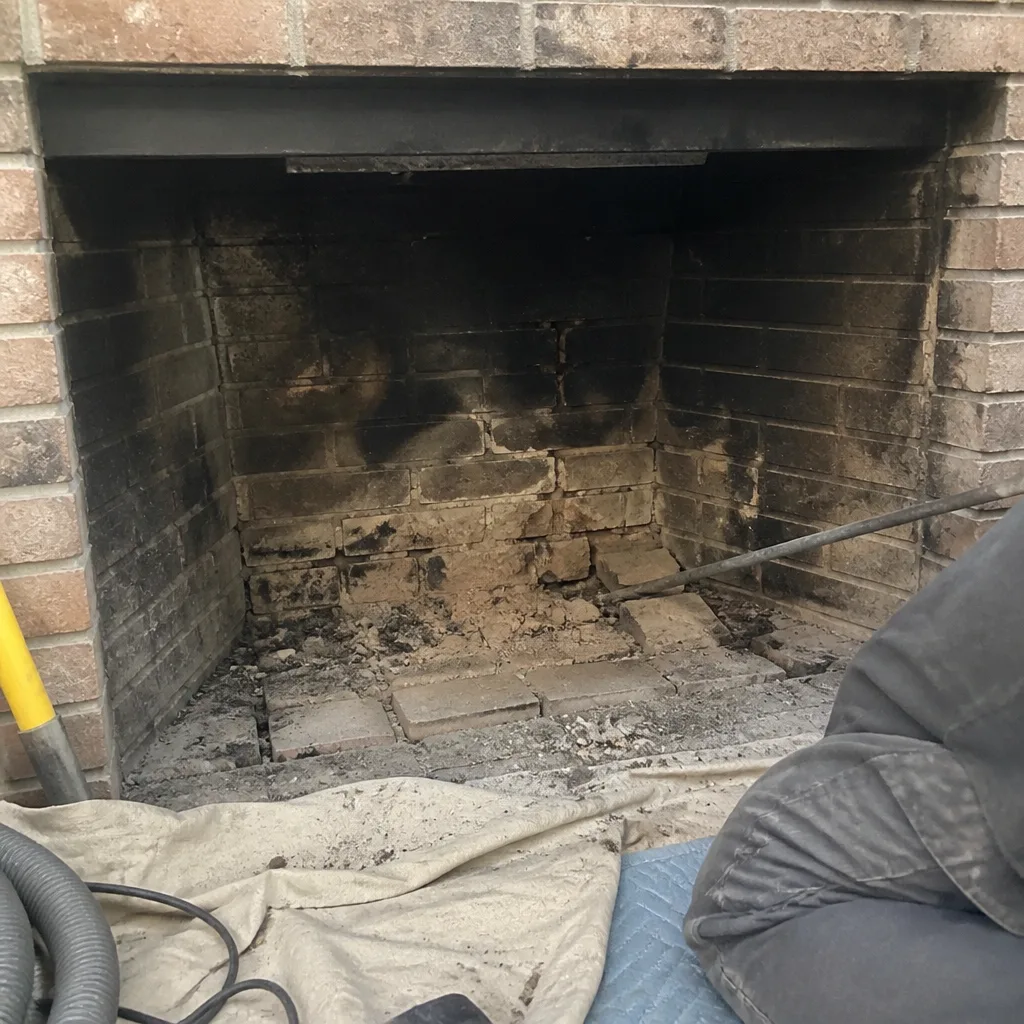 Before
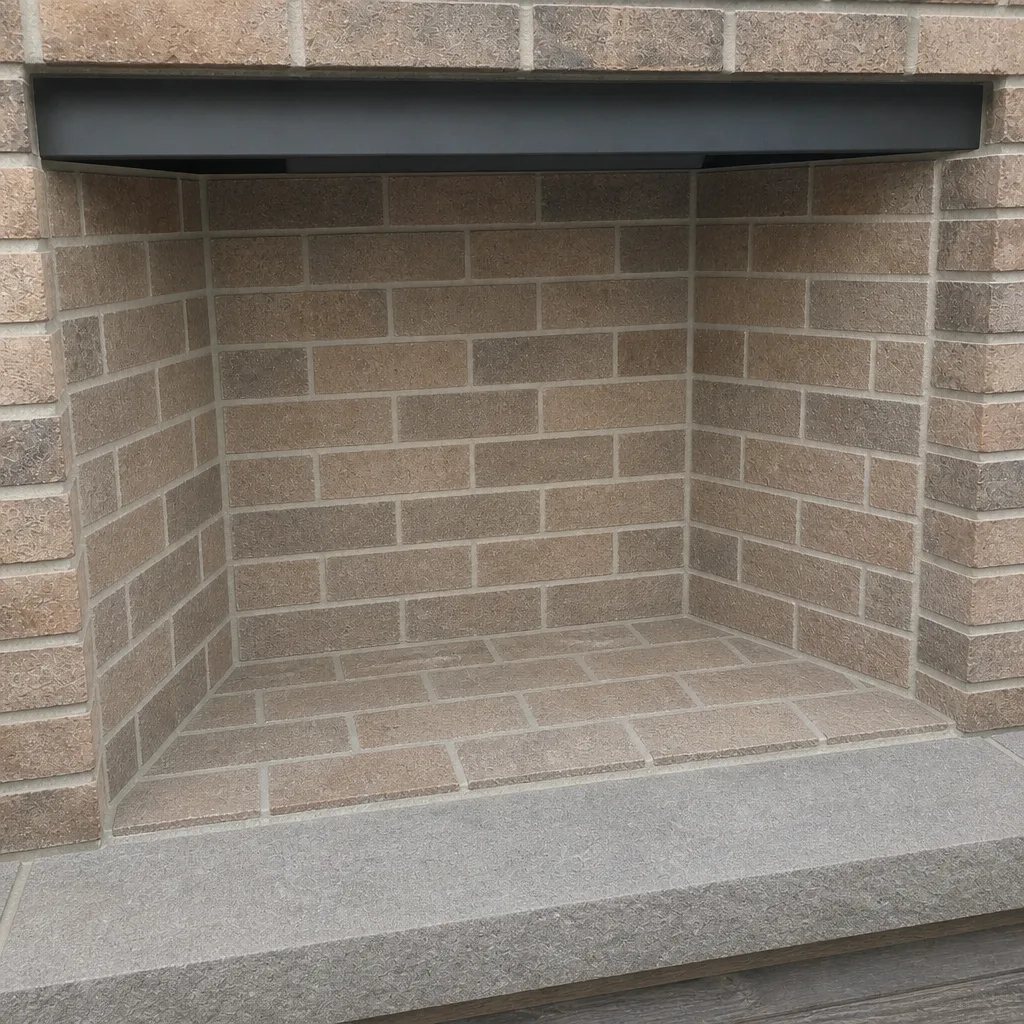 After
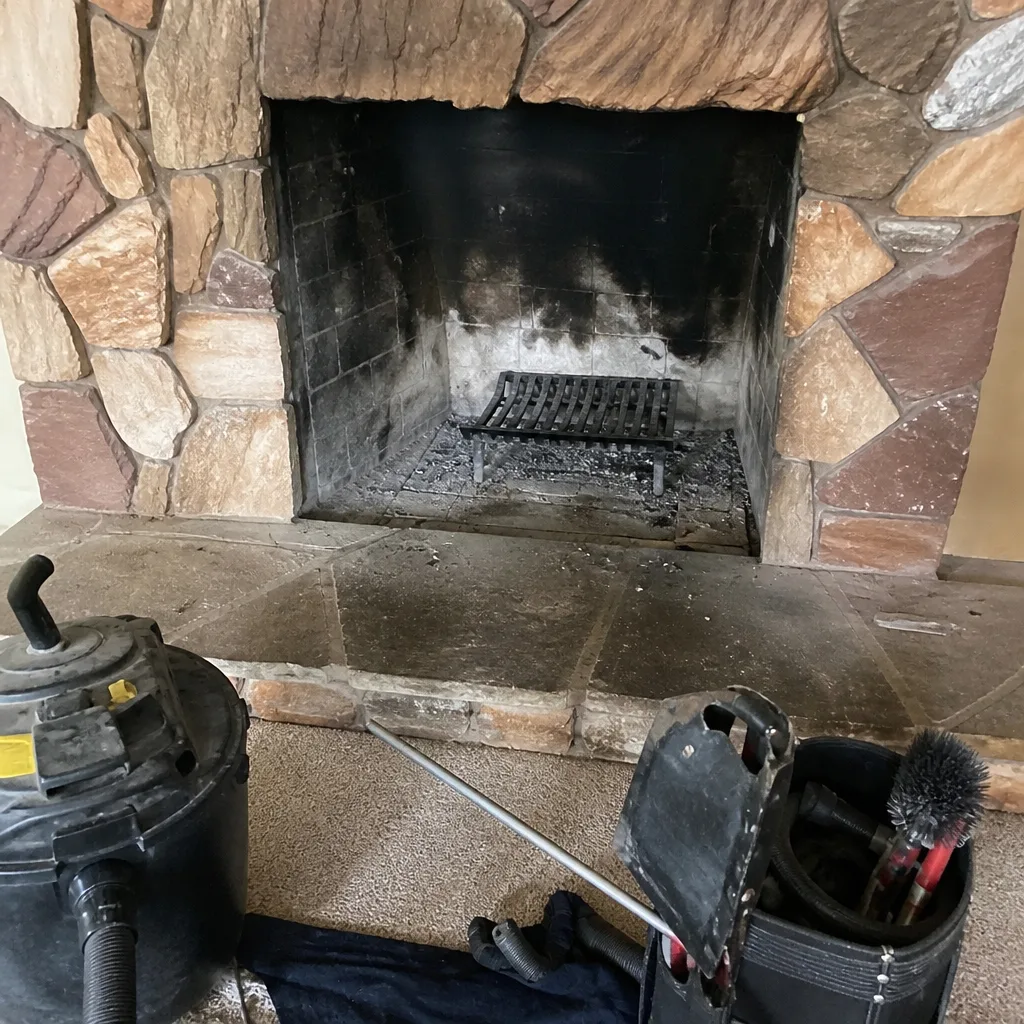 Before
 After
 Before
 After