
Last updated November 25, 2026
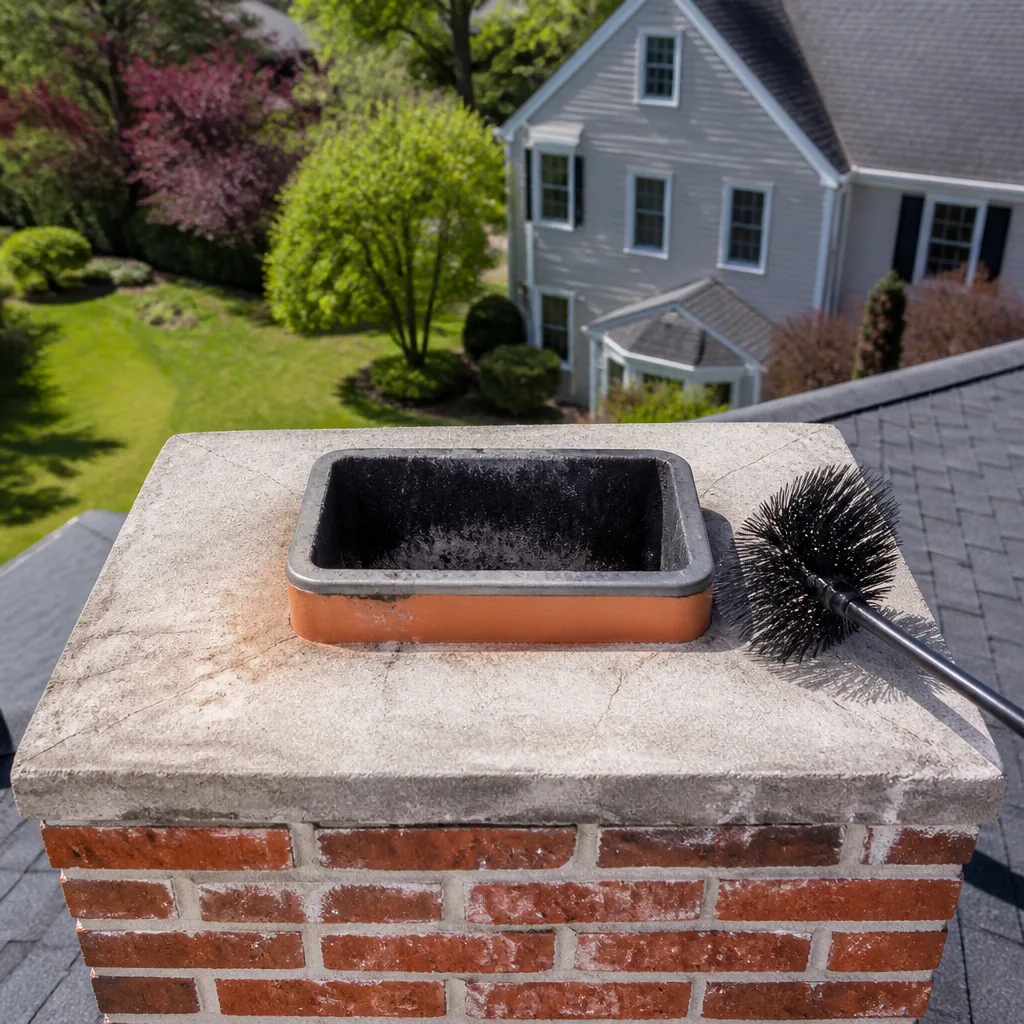 Sweep & inspection
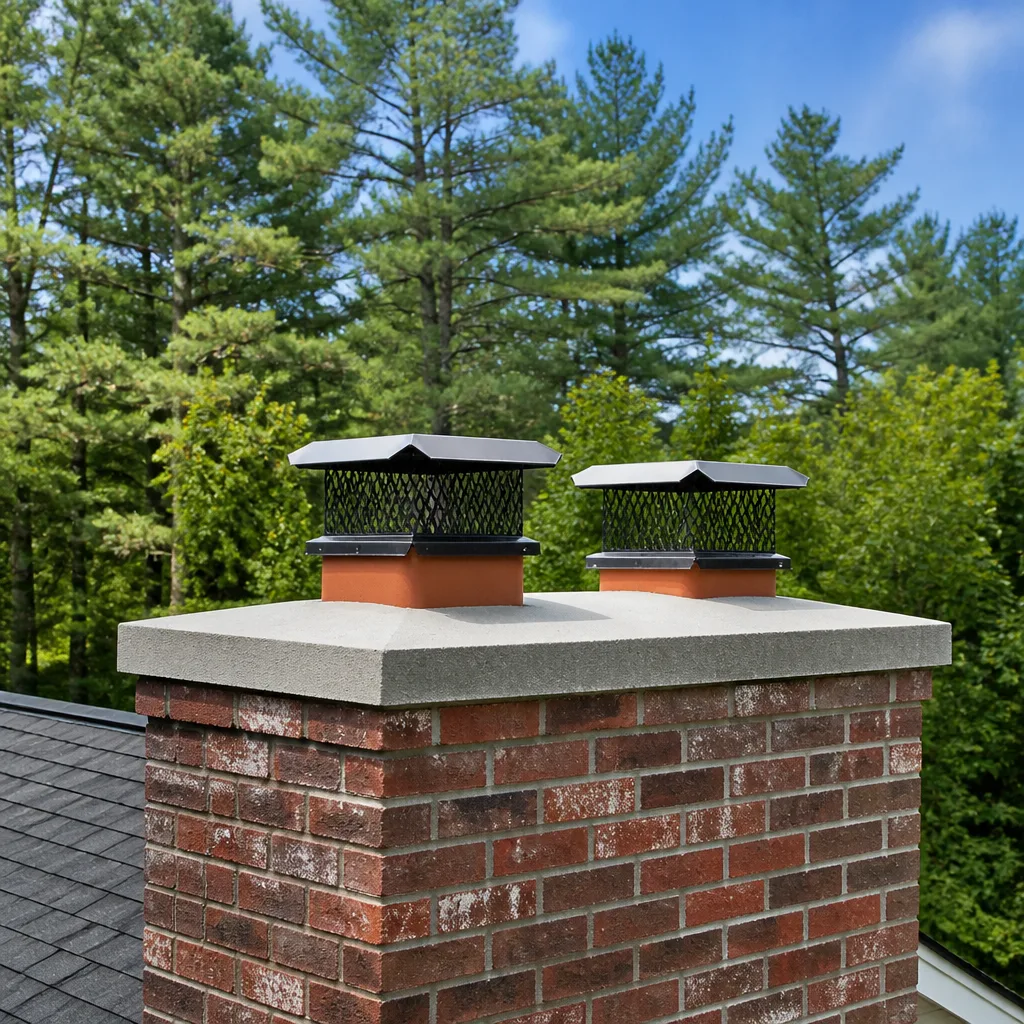 Caps & crowns
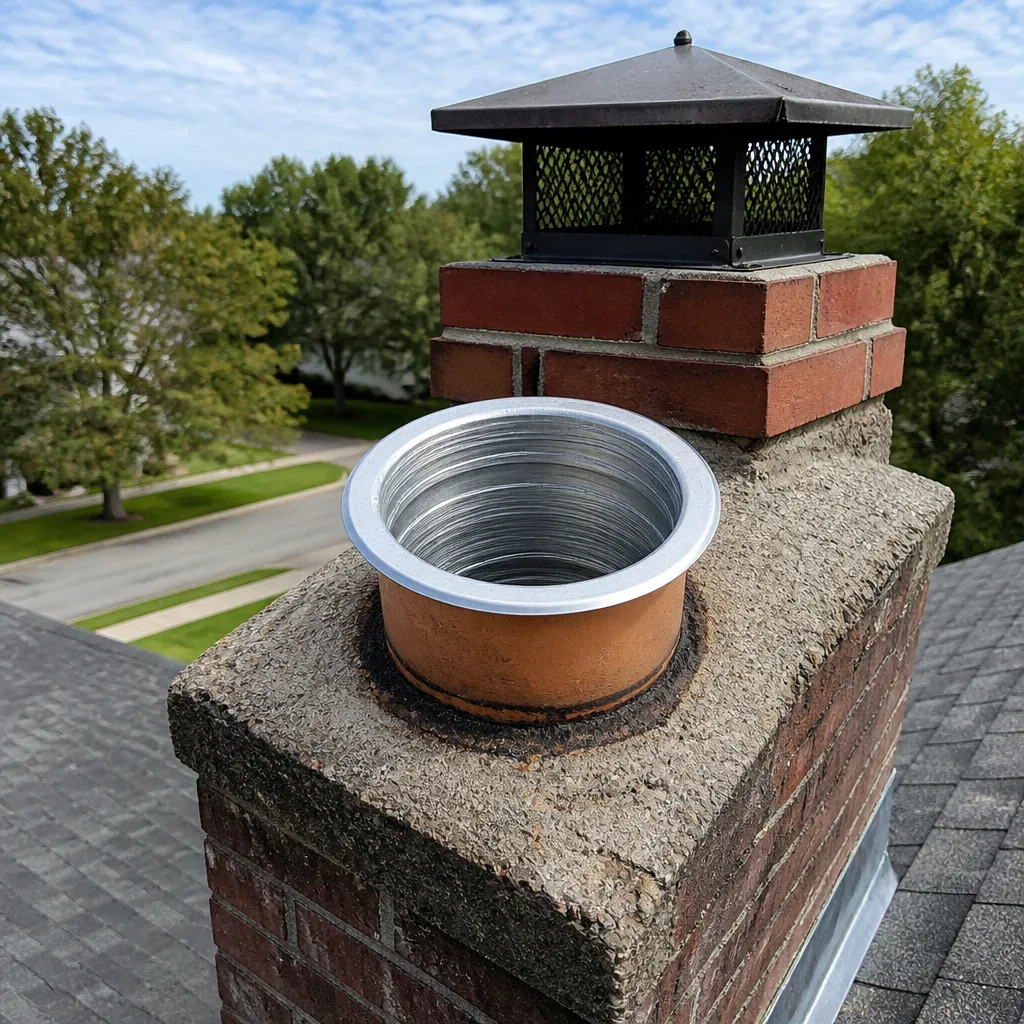 Flue relining
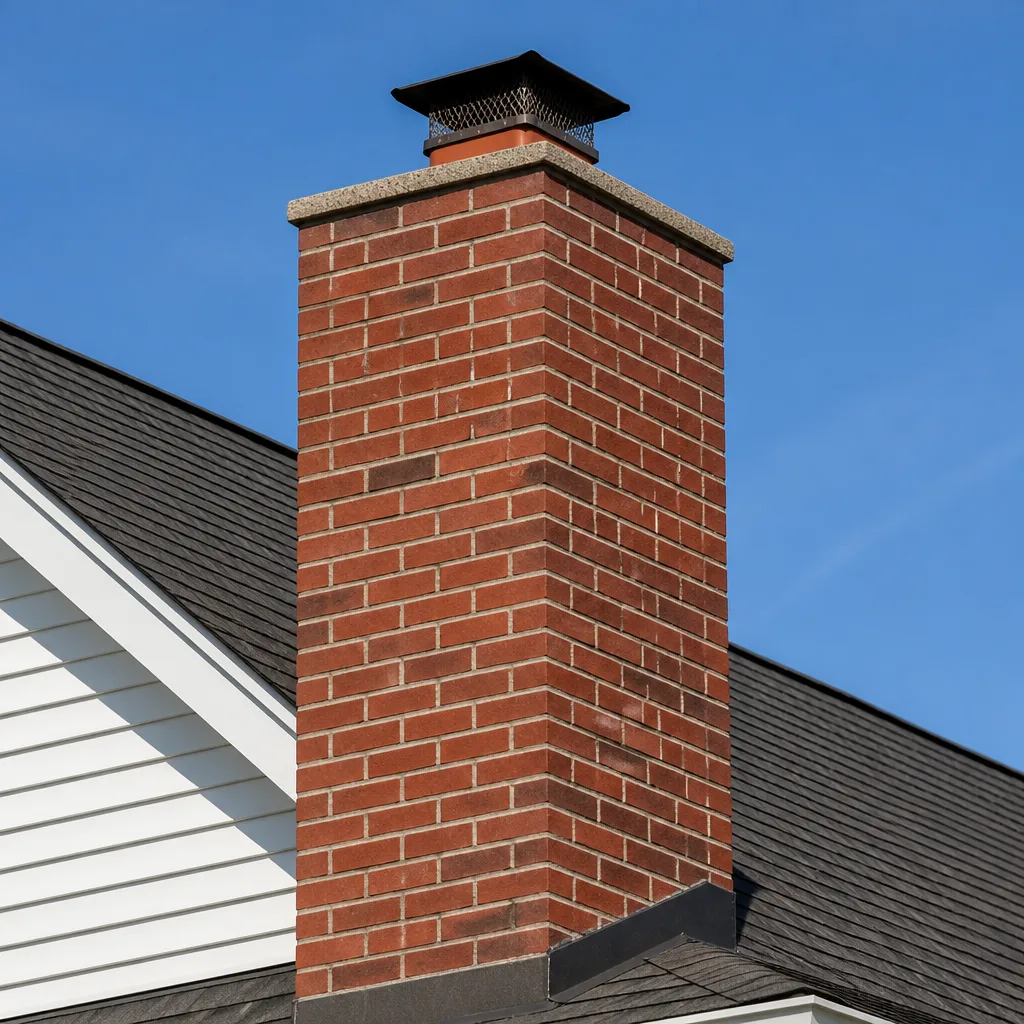 Masonry repair
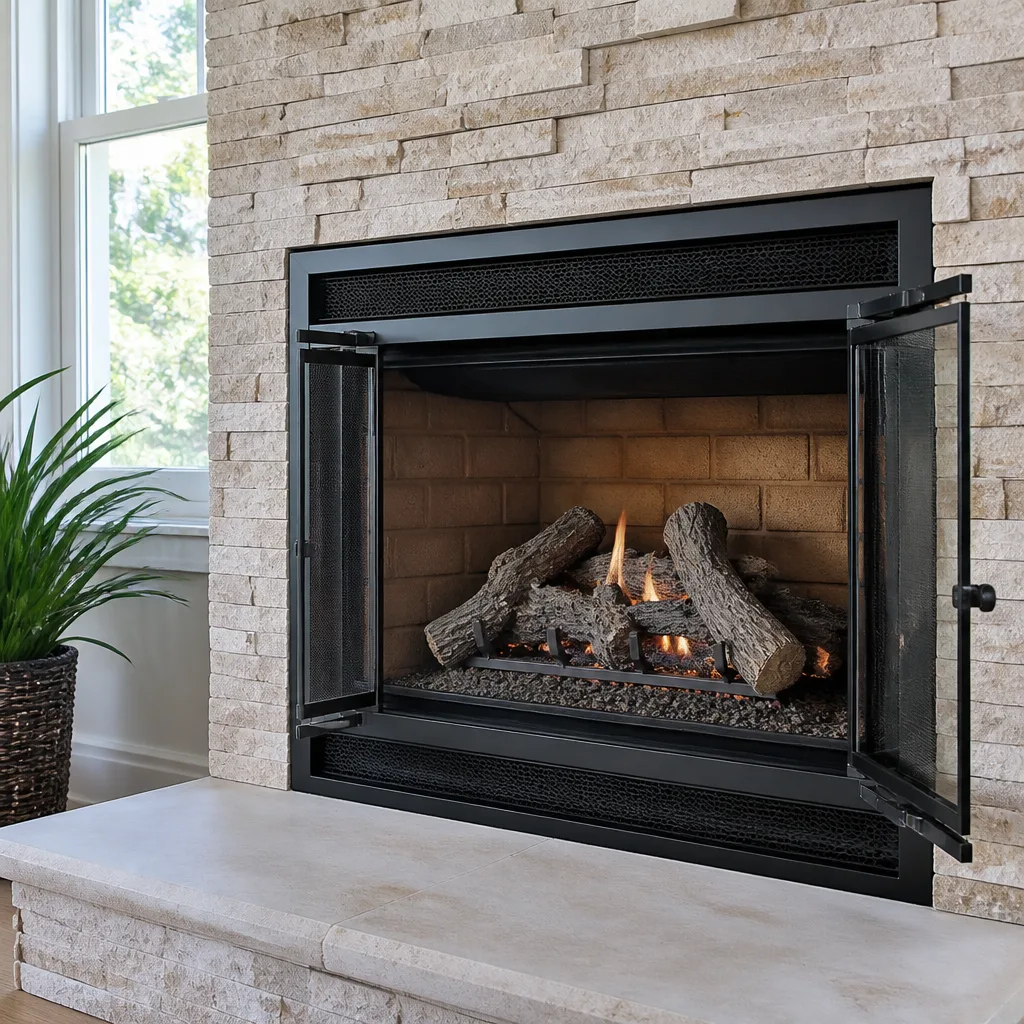 Gas fireplace service
Level 1 sweep and inspection to the NFPA 211 annual standard - flue, crown, cap, and flashing checked and photographed
Chimney sweep logs do not sweep chimneys. They loosen some creosote - which then falls where a brush and vacuum still have to collect it.
DIY vs Professional Chimney Cleaning: The Orem Homeowner’s Decision Guide
You can buy the same brushes a chimney sweep uses. What you can’t buy is the ability to know what you’re looking at when the brush comes back down. A homeowner in Orem with a straight flue, a clean-out at the right height, and a modest layer of soot can absolutely run a brush through it and knock down what’s on the walls. What that same homeowner can’t do is tell whether the liner behind the soot has a hairline crack, whether an offset farther up is collecting creosote the brush never touched, or whether the glazed deposit near the top is the kind that needs a rotary head rather than a hand brush. This guide walks through exactly where that line sits, what you’re risking if you cross it, and how to decide in under five minutes whether this year’s cleaning is a job for your own tools or a call to a professional.
Quick Answer
DIY chimney brushing works for one narrow case: a straight, accessible flue with light Stage 1 creosote and no known damage. Everything past that point – glazed Stage 2 or Stage 3 deposits, offset or angled flues, cracked or spalling liners, or any chimney that hasn’t been inspected in a few years – needs a professional with rotary equipment and a camera. The honest dividing line isn’t whether you can reach the flue; it’s whether you can read what the flue is telling you.
Styles & brands we work with
- Sweep & inspection
- Caps & crowns
- Flue relining
- Masonry repair
- Gas fireplace service
Table of Contents
- What DIY Chimney Brushing Can Actually Accomplish
- Where the DIY Line Really Sits
- Equipment Reality Check: Consumer Kits vs. Professional Rotary Systems
- When DIY Sweeping Is Counterproductive
- The Hidden Cost of Skipping Inspection
- Three Questions to Answer Before You Decide
- What Orem Chimneys Deal With That Others Don’t
- Common Mistakes to Avoid
What DIY Chimney Brushing Can Actually Accomplish
Let’s start with what a homeowner-run brush genuinely does well, because the honest answer is more than most chimney companies will admit. A hand brush on a flexible rod, run from the top or up through a clean-out, will remove loose soot and the crusty, flaky creosote that forms during the first part of the burning season. That material is classified as Stage 1 creosote: soft, brushable, and removable with mechanical action alone. If your flue is straight, your clean-out is accessible, and your burning habits are moderate, a DIY brush pass can knock that layer down once a year and keep the flue from accumulating faster than you can manage it.
What it accomplishes is narrow, though. The brush removes what it can touch. In a straight flue that’s most of the wall surface. In a flue with any kind of offset, jog, or transition, large stretches sit at an angle the brush skips. And the brush has no opinion about the condition of the liner behind the creosote. It doesn’t tell you whether the clay tiles are spalling, whether a stainless liner has a seam pulling apart, or whether the crown at the top is letting water in. That’s a separate question, and it’s the question that matters most. Our Chimney Sweep Orem page covers what a full sweep involves when it’s done with an inspection attached.
So the summary is simple. DIY brushing handles one job: removing Stage 1 creosote from reachable flue walls. It does not clean the whole system, and it does not assess it. Those two things are not the same, and the gap between them is where most chimney problems hide.
Where the DIY Line Really Sits
The line between a reasonable DIY job and a job that needs a professional isn’t about difficulty. It’s about information. You cross the line the moment the job requires knowing something the brush can’t show you. Here are the conditions that put a chimney on the professional side:
- Stage 2 creosote. This is the glazed, hardened, tar-like deposit that forms when flue temperatures run cool and the smoke condenses before it exits. It doesn’t flake off. It clings. A hand brush skates over it, and only a rotary head with the right attachment breaks it up.
- Stage 3 creosote. The hardest form, and the one most associated with chimney fire risk. If you can see shiny, bubbly deposits near the damper or the top of the flue, this is not a DIY situation. It needs professional removal and a full inspection after.
- Offset or angled flues. Many Orem homes built in certain decades have flues that jog around a framing member or a second appliance. A straight rod and brush won’t track those angles.
- Any suspected liner damage. Hairline cracks, spalling clay tiles, gaps at the joints, a stainless liner with a failed seam – none of these are visible from inside the firebox with a flashlight.
- No accessible clean-out. If the only way in is the top, you’re on a roof, and that raises a different set of risks entirely.
If any of those describe your chimney, the question isn’t “can I do this myself?” It’s “who’s going to look at this properly?” A chimney sweep that includes a real inspection is the answer for those cases, and it’s the reason we treat inspection as a standalone service rather than a quick glance before the brush goes in.
Equipment Reality Check: Consumer Kits vs. Professional Rotary Systems
The tools are not the same, and the price gap tells you why. A consumer brush kit – a basic poly brush, a set of flexible rods, maybe a shop vac attachment – typically runs in the modest range you’d expect for a homeowner tool. It works, for what it is. A professional rotary system with interchangeable whip heads, chain heads, and a drill or motor drive costs substantially more, and that’s before the camera and the inspection gear. The difference isn’t luxury. It’s reach and removal capability.
Here’s the practical comparison:
- Consumer hand brush. Reaches straight, accessible flue sections. Removes Stage 1 creosote. No ability to break up glazed deposits. No camera.
- Professional rotary system. Powered heads that spin against the flue wall, with different heads for different deposit types. Reaches offset sections and the full length of most residential flues. Removes Stage 1 and breaks up Stage 2.
- Inspection camera. The piece the homeowner can’t replicate at any reasonable cost. It shows the liner, the joints, the crown, and the smoke chamber in a way that produces actual documentation rather than a guess.
The equipment gap is exactly why the DIY line is where it is. Even if you bought a rotary system, you’d still be missing the camera and the trained eye that reads it. Our chimney repair page explains how we use that inspection to decide what, if anything, needs fixing.
When DIY Sweeping Is Counterproductive
Sometimes the brush makes things worse. That’s not a scare tactic – it’s a mechanical reality. Three scenarios come up again and again when we’re called to a chimney after a homeowner has been brushing it themselves.
Pre-existing liner cracks. A brush dragged past a cracked clay tile can catch an edge and widen the crack. A small flaw becomes a larger one, and the cost of a liner restoration goes up. If you don’t know the liner condition before you start, you’re brushing blind.
Offset flues. Force a brush around a bend it isn’t designed for and you can jam the rod or dislodge a joint. Extracting a stuck brush from a flue is a professional job, and it’s more expensive than the original cleaning would have been.
Stage 2 and 3 deposits. Pushing a hand brush against glazed creosote doesn’t remove it – it sometimes redistributes it or polishes the surface. And if there’s a chimney fire risk inside that deposit, brushing gives the homeowner a false sense that it’s been dealt with. It hasn’t.
In our experience, the homeowners who get into trouble are the ones who swept faithfully for several years without ever having the system inspected. The brush did what it could. Nobody ever looked at what the brush couldn’t see.
The Hidden Cost of Skipping Inspection
Here’s the scenario most worth understanding. A homeowner DIY sweeps every year for three or four years. The brush comes back with soot, the fire draws well, nothing seems wrong. Then one year the fire doesn’t draft right, or there’s a smell in the room, or the fireplace is harder to light, and the call goes out to a professional. When the camera goes down, what it usually finds is one of these:
- A liner that’s been slowly cracking for years, with water intrusion from a failing crown accelerating the damage.
- A smoke chamber that’s never been properly cleaned and is coated in glazed creosote from years of cool burns.
- A cap that’s been missing or damaged and has let debris, moisture, and in some cases animals into the flue.
- A firebox with deteriorated mortar joints that the DIY sweep never had reason to look at.
None of those problems announce themselves. They build quietly. The cost of addressing them after three or four uninspected years is almost always higher than the cost of an inspection and sweep in year one. And the safety math is worse than the money math. A liner with cracks is a path for combustion gases into the home, and carbon monoxide is the reason chimney professionals treat liner condition as a first-order concern rather than a maintenance detail.
The value of an inspection isn’t the report. It’s knowing the condition of the system before the next burning season, so the decision to repair or wait is based on evidence rather than hope. When the camera shows the liner is sound and the deposits are Stage 1, we say so and the work can safely wait. Our fireplace repair service exists for the cases where the inspection shows something the firebox needs.
Three Questions to Answer Before You Decide
Before you pull the brush off the shelf, answer these three questions honestly. They sort nearly every Orem chimney into the DIY column or the professional column.
- When was this chimney last inspected? If the answer is “never” or “we don’t know,” stop. An inspection comes before a cleaning, not after. Without a baseline, you’re brushing a system whose condition is unknown.
- Is the flue straight and accessible, with a clean-out you can reach without a roof? If yes, DIY is on the table. If no, it isn’t. Roof access, offsets, and inaccessible clean-outs are the dividing line.
- What does the deposit look like – flaky and sooty, or shiny and glazed? Flaky and sooty is Stage 1 and brushable. Shiny and glazed is Stage 2 or 3, and that’s a rotary job with an inspection to follow.
Three yes answers put you in the DIY column for this year. Any single no moves you to a professional call. That’s the whole framework, and it’s what we ask homeowners before we quote anything.
What Orem Chimneys Deal With That Others Don’t
Orem sits in a valley with a real winter, and the way people burn here shapes chimney condition in specific ways. Cold, sustained heating-season temperatures mean flues spend long stretches running cool relative to their design, which is exactly the condition that produces glazed Stage 2 creosote rather than the flaky Stage 1 deposit a homeowner can brush. Homes that burn hard through January and February, then taper off in spring, tend to build that harder deposit near the top of the flue where the gas cools first.
The other factor is housing age and construction. Orem has a wide mix – older masonry chimneys in the established neighborhoods near the center of the city, and a lot of homes with factory-built fireplaces and metal flues built in the later decades. Those two systems need different cleaning methods, different inspection approaches, and different repair materials. A masonry flue with clay tiles and a metal insert flue are not the same job, and a single hand brush doesn’t serve both equally well.
If you’re in Orem and your chimney is on the older masonry side, the inspection question carries more weight than it does for a newer metal flue. Older liners are the ones most likely to be spalling or cracked, and those are the cases where HeatShield liner resurfacing can restore the liner without the cost of a full reline. That’s a case where the inspection pays for itself in what it lets you avoid doing. We work with HeatShield specifically because on the right liner, restoration is a better answer than replacement, and on the wrong liner we’d tell you so.
Common Mistakes to Avoid
- Brushing before inspecting. In Orem, where so many chimneys have been in service a long time, the condition of the liner is the whole question. Brush first and you’ve removed the evidence without reading it.
- Assuming a straight brush reaches the whole flue. It reaches what’s straight. Offsets and transitions are where the deposits collect and where the brush can’t follow.
- Ignoring glazed creosote because the brush comes back clean. A hand brush can slide over Stage 2 deposit and come down looking like it did work. The glazed layer is still on the wall.
- Skipping the cap and crown. The top of the chimney is where water gets in, and water is what shortens liner life. A missing or damaged cap is one of the most common things we find on a first inspection.
- Burning wet or unseasoned wood to save on cost. It produces more creosote per hour of burn than dry wood, which pushes a manageable Stage 1 flue toward the glazed stage faster.
- Treating “the fire draws fine” as proof of safety. Draft tells you about airflow. It tells you nothing about cracks in the liner or the condition of the smoke chamber.
- Going years without a documented inspection. This is the mistake that costs the most. A documented assessment is what lets you make a real decision about repair or wait, rather than guessing.
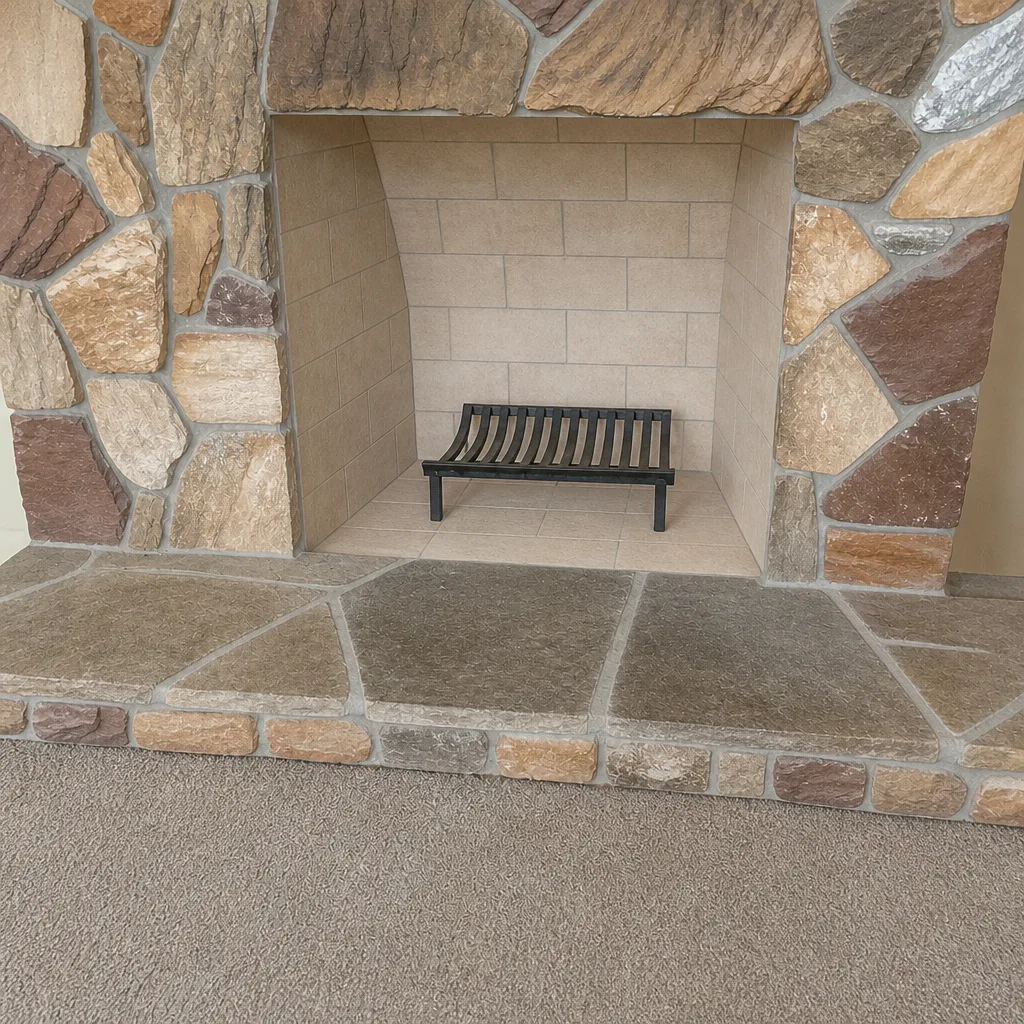
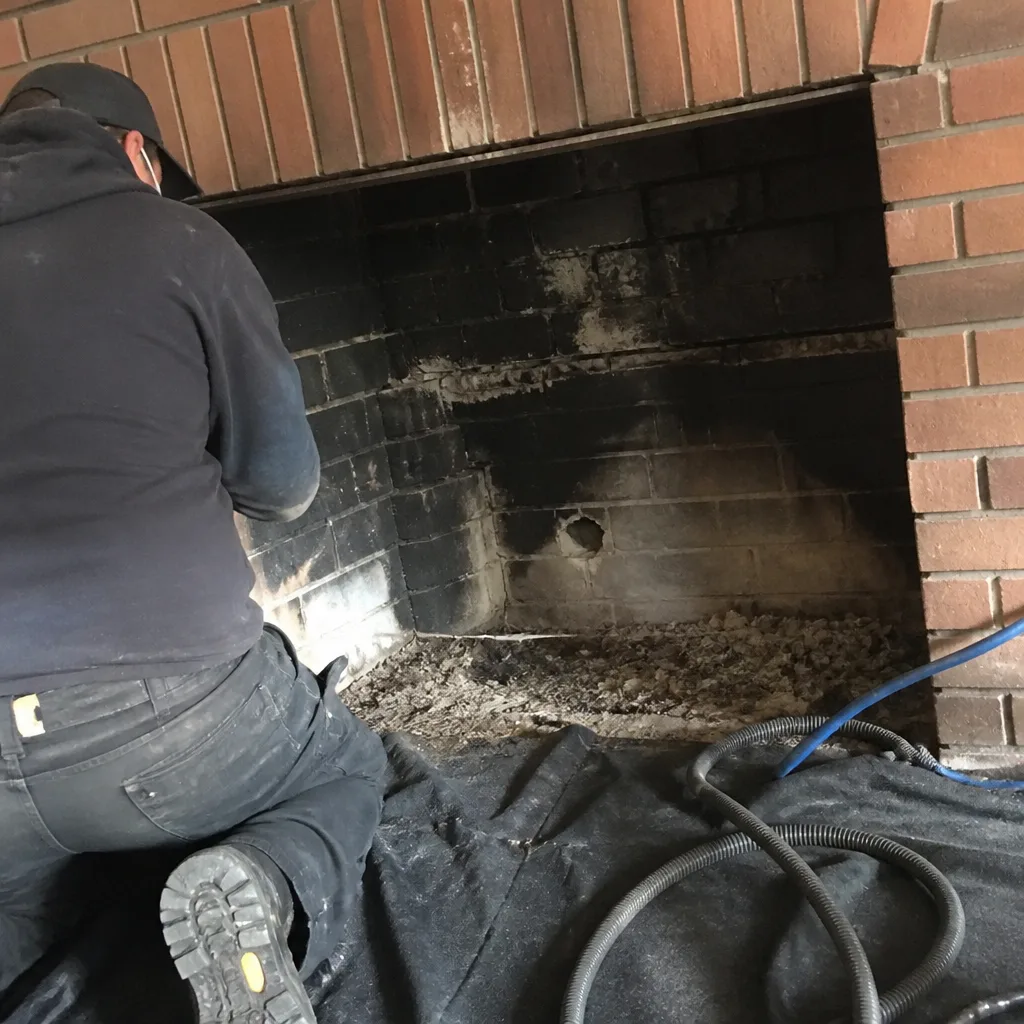
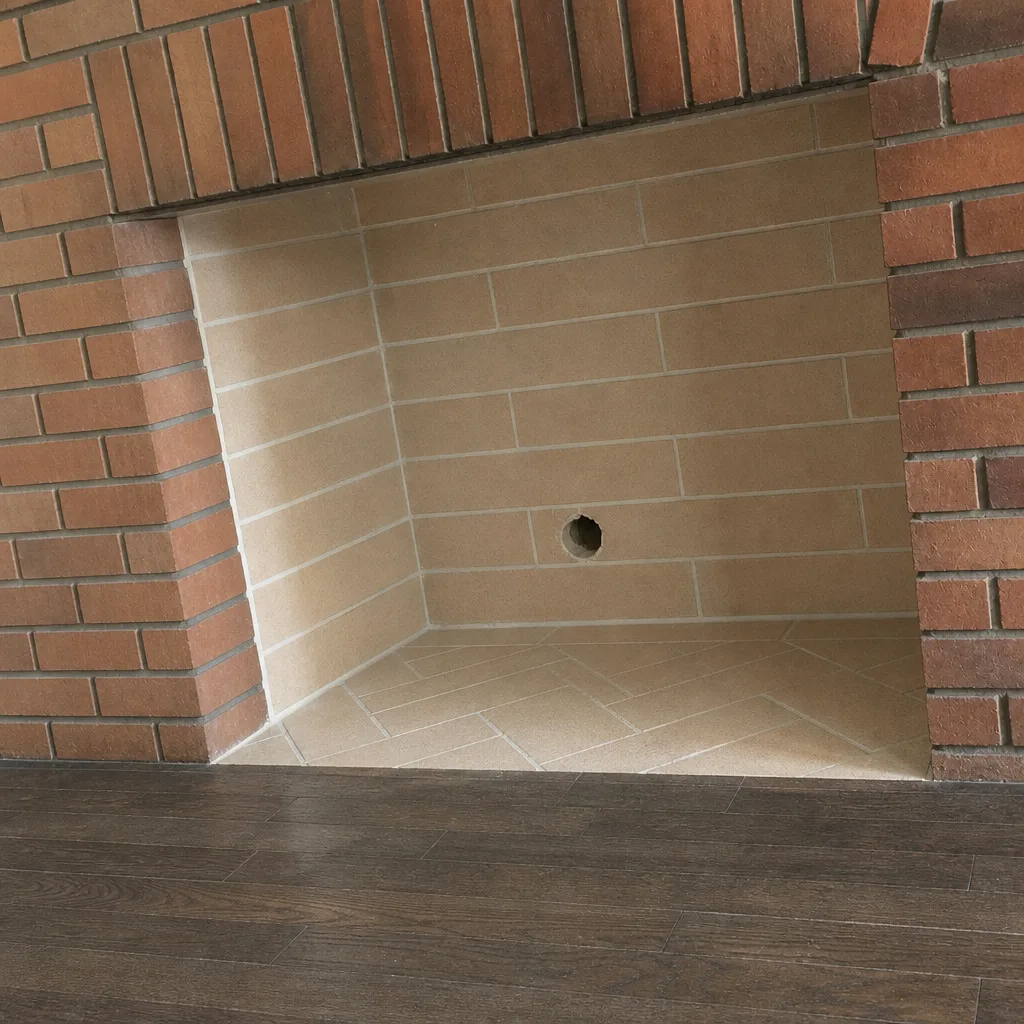
See the difference
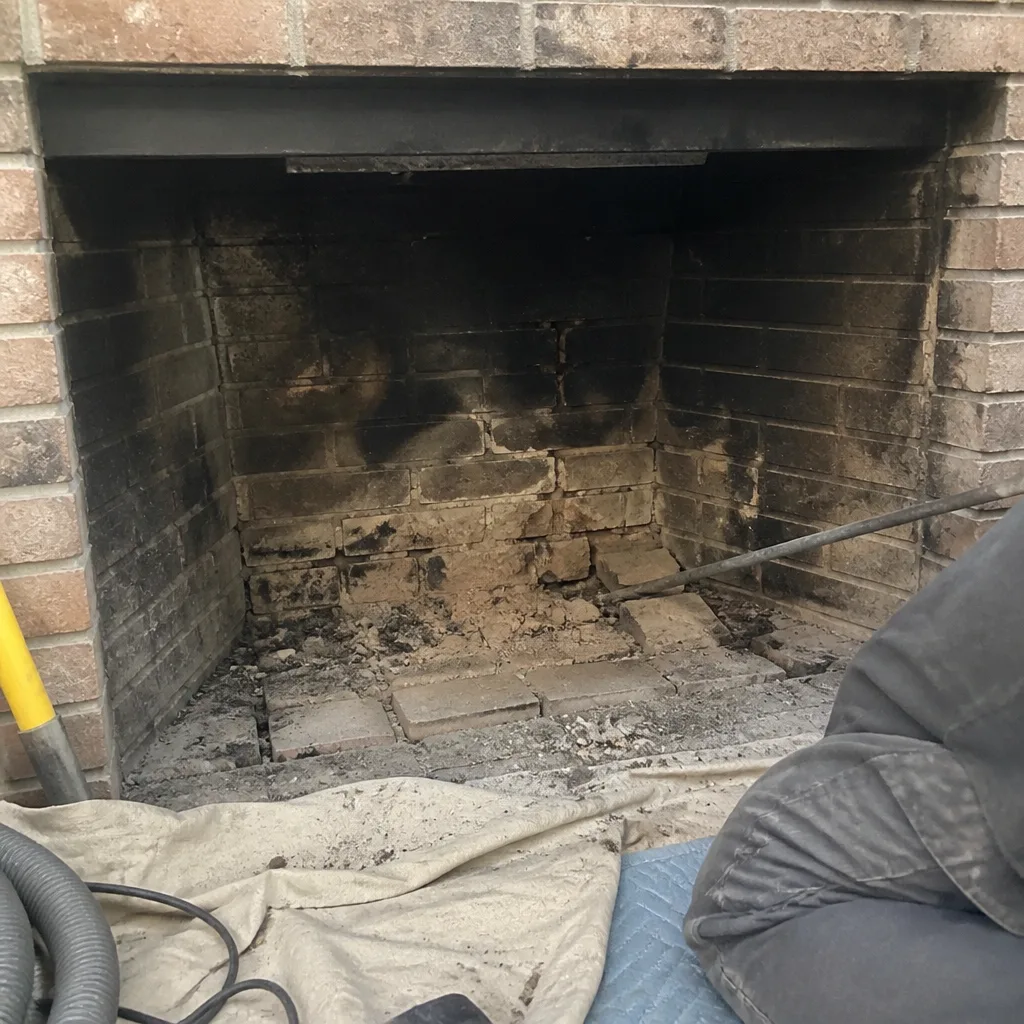 Before
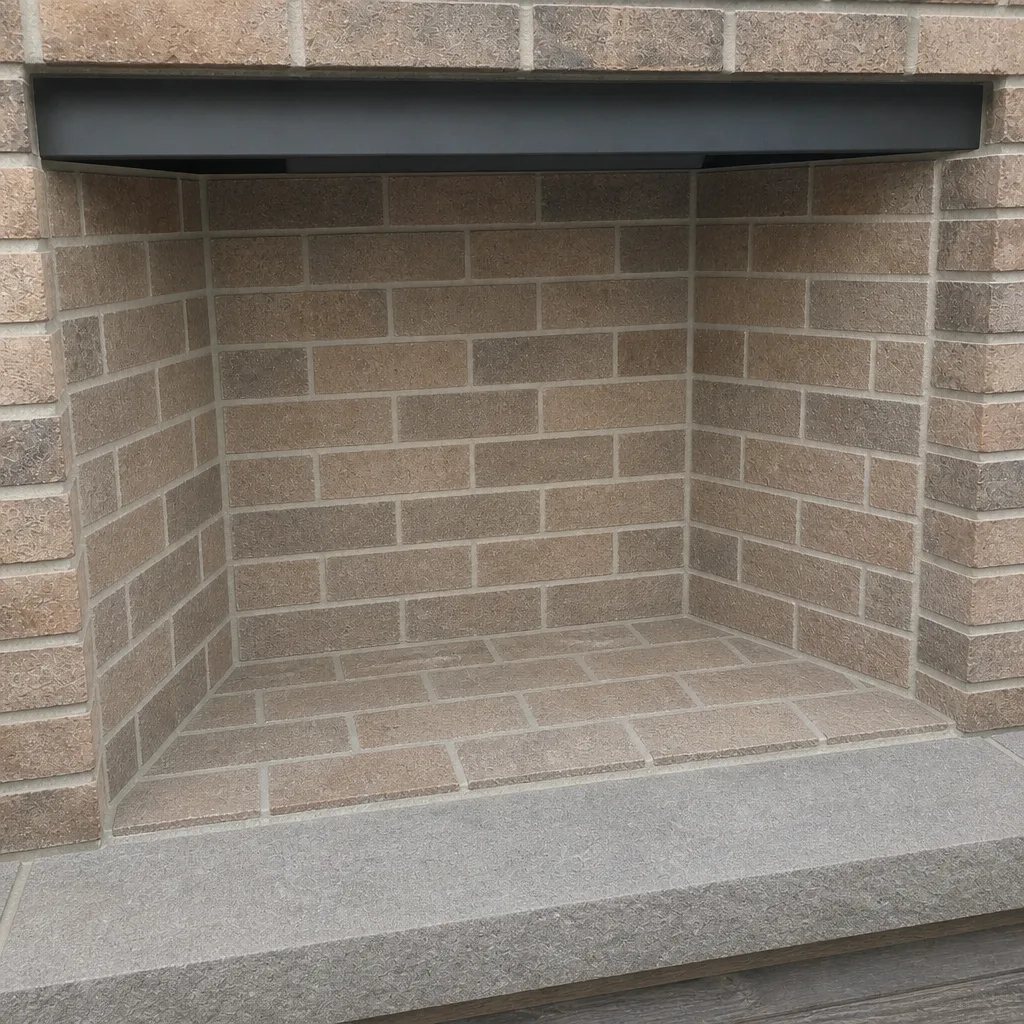 After
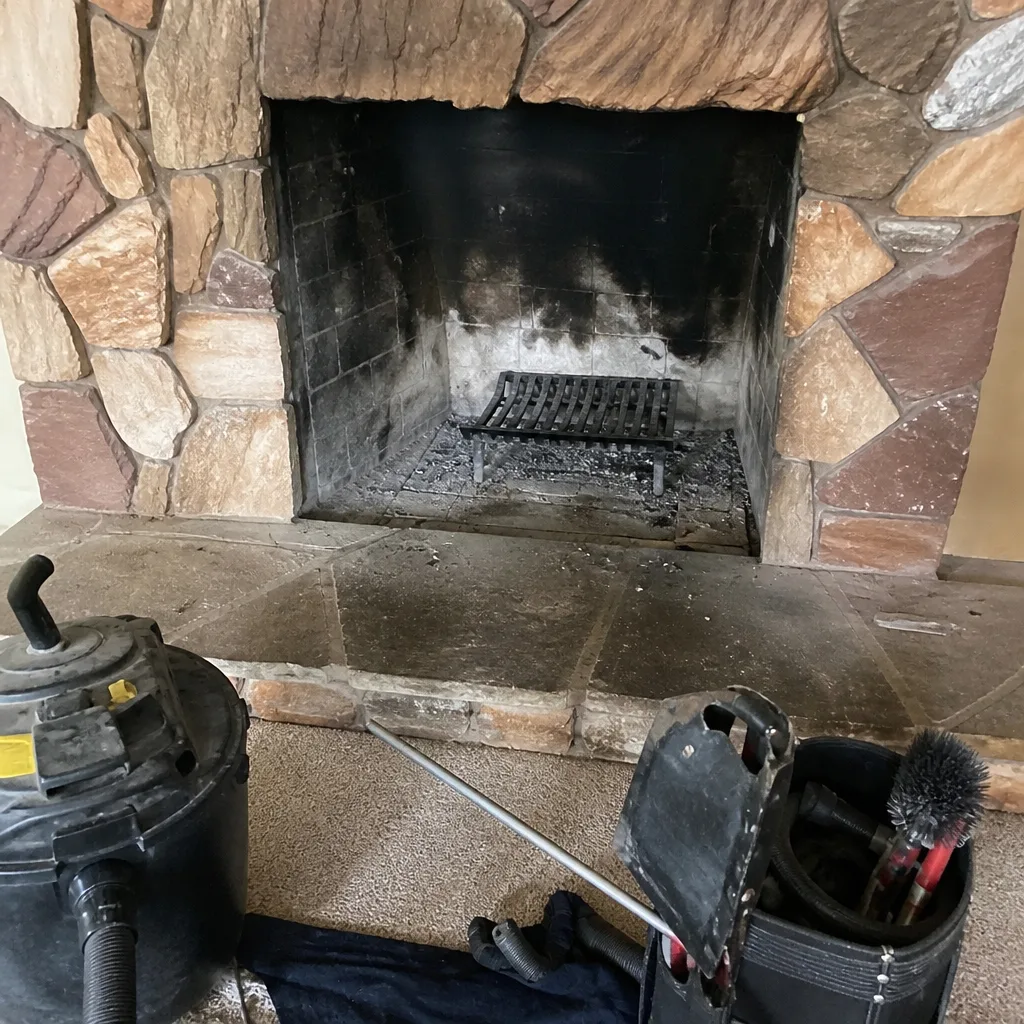 Before
 After
 Before
 After
When to Call a Professional
Call a professional when any of these apply: the chimney hasn’t been inspected in a few years, the flue has an offset or no accessible clean-out, the deposit looks glazed rather than flaky, the fire drafts poorly, there’s a smell in the room when the fireplace isn’t running, the cap or crown looks damaged, or the liner shows any sign of cracking. Those are the cases where the question isn’t whether you can reach the flue, but whether you can read it, and that’s the part a trained technician with a camera does. Our technicians have up to 9 years of experience, and every visit starts with an inspection before any recommendation.
Chimney Sweep Orem offers free estimates in Orem – call (855) 658-4390. We answer 24/7. Fast dispatch, 7am-7pm, Sunday through Friday, and we’re closed Saturday. The written estimate is what sets the final price, and the camera findings are yours to look at before you decide anything.
Frequently Asked Questions
You can brush a straight, accessible flue with light Stage 1 creosote yourself. What you can’t do is assess the liner, the crown, or the parts of the system you can’t see. If the chimney has never been inspected or the deposit looks glazed, that’s a professional job. Call (855) 658-4390 for a free estimate and we’ll tell you which side of the line your chimney is on.
The price is set per job by the written estimate after we see the chimney, and the estimate itself is free. The cost depends on the deposit type, flue configuration, and whether an inspection turns up repair work. Call (855) 658-4390 for an exact quote – we won’t recommend anything the camera hasn’t shown you.
It’s safe when the flue is straight, the liner is confirmed sound, and the cleaning is limited to Stage 1 creosote. It’s not safe when the liner is cracked, the deposits are glazed, or the flue has offsets the brush can’t track. If you don’t know the liner condition, you don’t yet know whether it’s safe, and that’s the reason to have it inspected first.
The working rule is to sweep once there’s about an eighth of an inch of deposit on the flue wall, which for many Orem homes burning through the heating season works out to an annual sweep. If the fireplace sees only occasional use, the interval can stretch. Inspection is what tells you when it’s due rather than guessing by the calendar. Call (855) 658-4390 to book one.
Small problems grow quietly – a hairline liner crack widens, a failing crown lets water in, glazed creosote builds in areas a hand brush can’t reach. None of that is visible from the firebox. When the camera finally goes down, the repair list is usually longer than it would have been. Call (855) 658-4390 and we’ll inspect before recommending anything.
We’re closed Saturday and open Sunday through Friday, 7am to 7pm, with fast dispatch from 7am to 7pm. The phone line is different: we answer 24/7. A call outside dispatch hours is booked into the next opening, Sunday through Friday, 7am to 7pm. Call (855) 658-4390 and we’ll get you scheduled.
The Bottom Line
DIY chimney brushing is a real option, and it works for the narrow set of cases it was built for: straight flues, accessible clean-outs, and Stage 1 creosote. Past that, the brush can’t tell you what the flue needs, and that’s the whole problem. The question to carry away from this guide isn’t “can I clean my own chimney?” It’s “do I know the condition of my liner, crown, and smoke chamber well enough to know whether a brush is enough this year?” If the answer is no, an inspection comes first. In Orem, where older masonry flues and long heating seasons both push toward glazed deposits, that inspection is the step that makes every later decision a real one rather than a guess.
Chimney Sweep Orem handles the full system – sweeping, inspection, fireplace repair, chimney repair, and cap and crown work – from the roofline down to the firebox. We install DuraFlex flexible liner systems where a full reline is needed, and we use HeatShield liner resurfacing where the liner can be restored. Materials come from professional-grade suppliers, so the repair is matched to the problem. Our technicians have up to 9 years of experience, and the inspection comes first.
Call (855) 658-4390 for a free estimate. We answer 24/7. Fast dispatch, 7am-7pm, Sunday through Friday, and we’re closed Saturday. If the brush has been your only sweep for a few years, this is a good season to find out what it’s been missing.
Written by the team at Chimney Sweep Orem.