
Last updated November 25, 2026
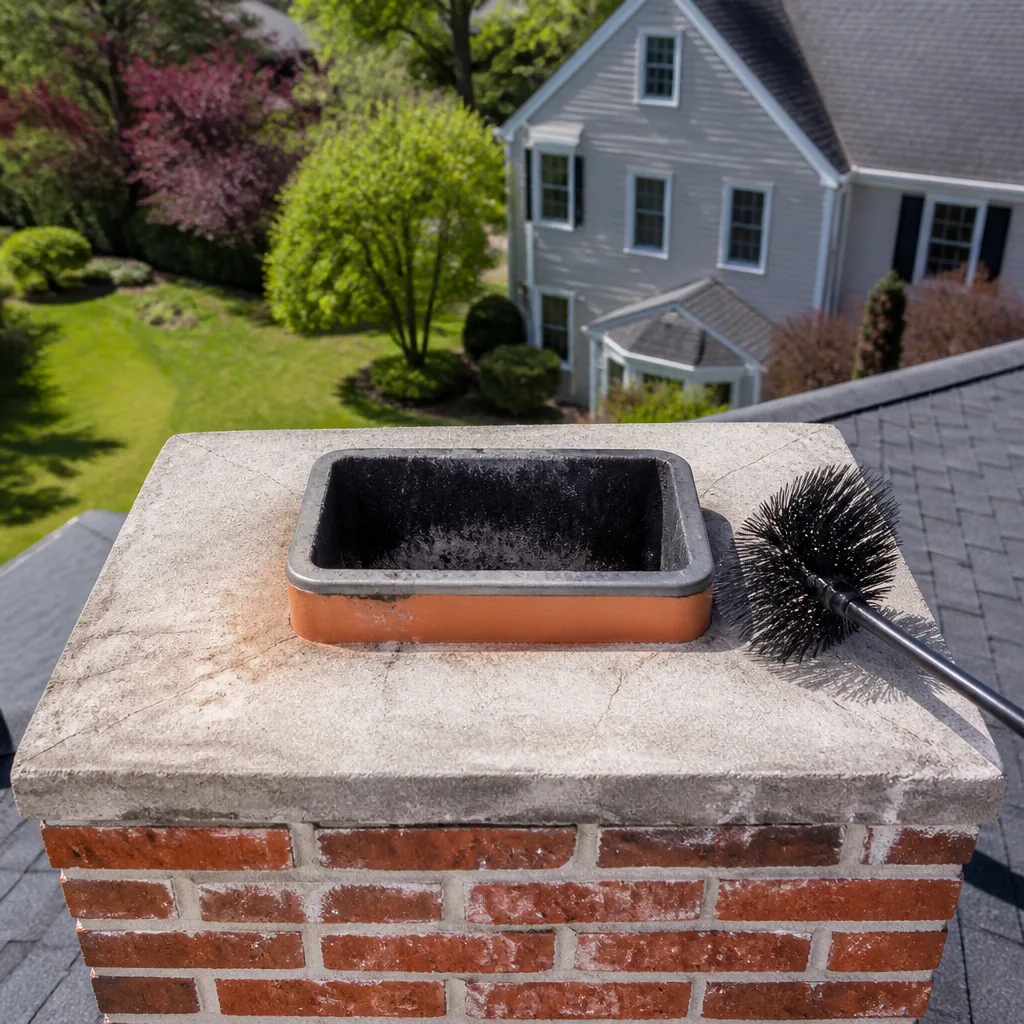 Sweep & inspection
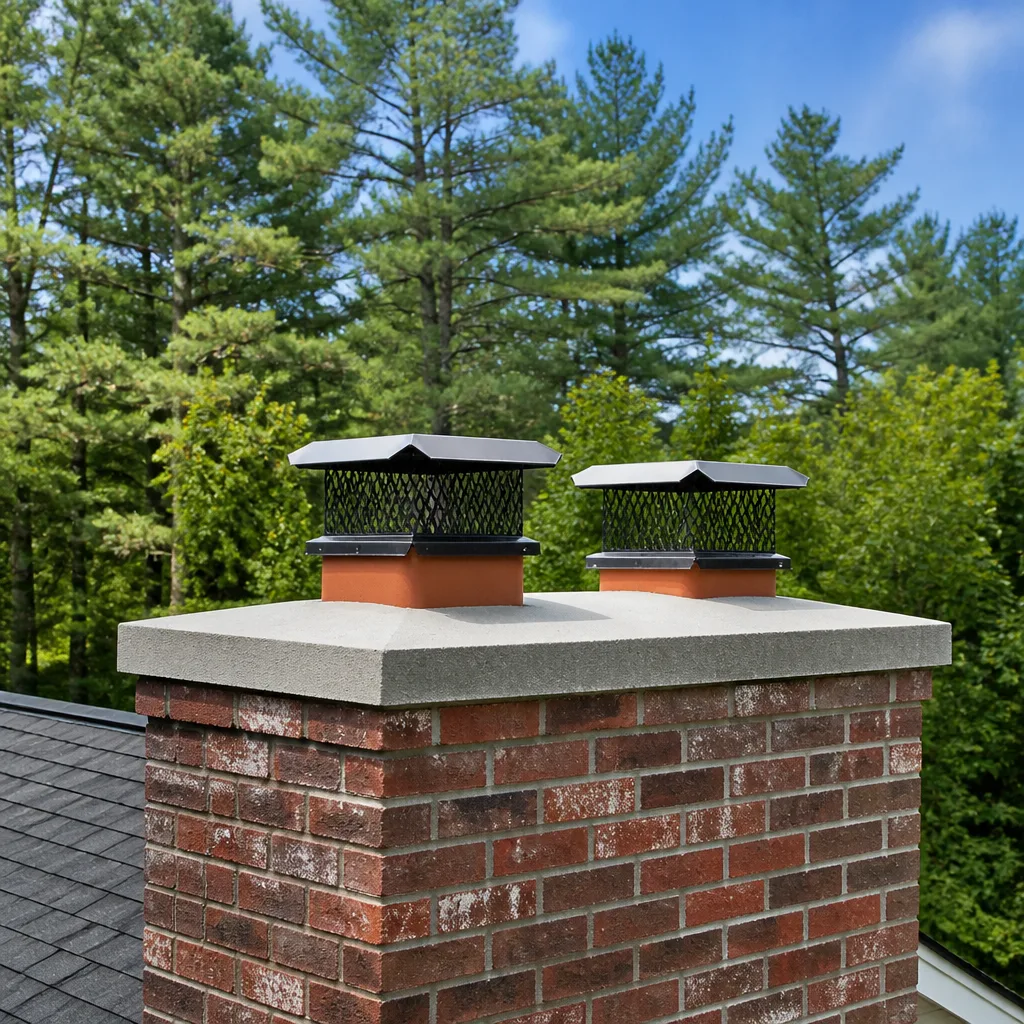 Caps & crowns
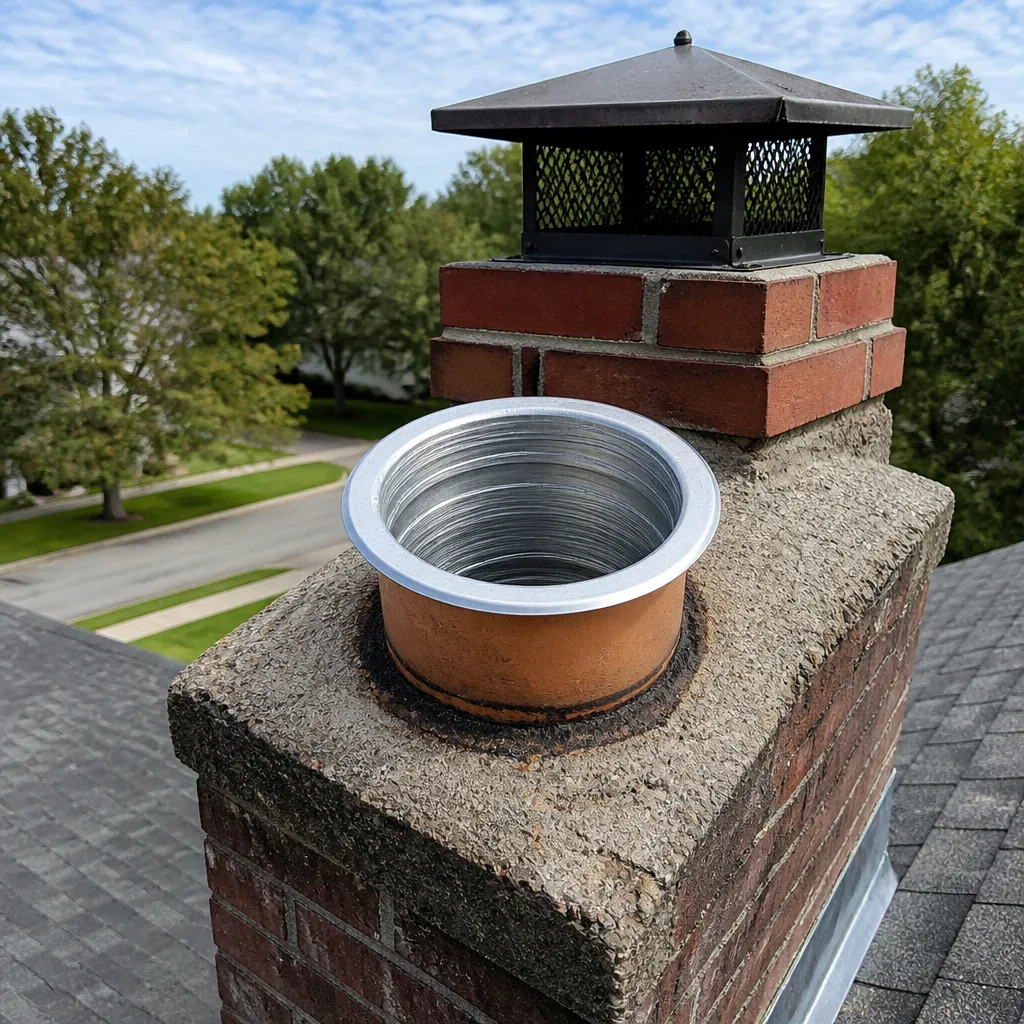 Flue relining
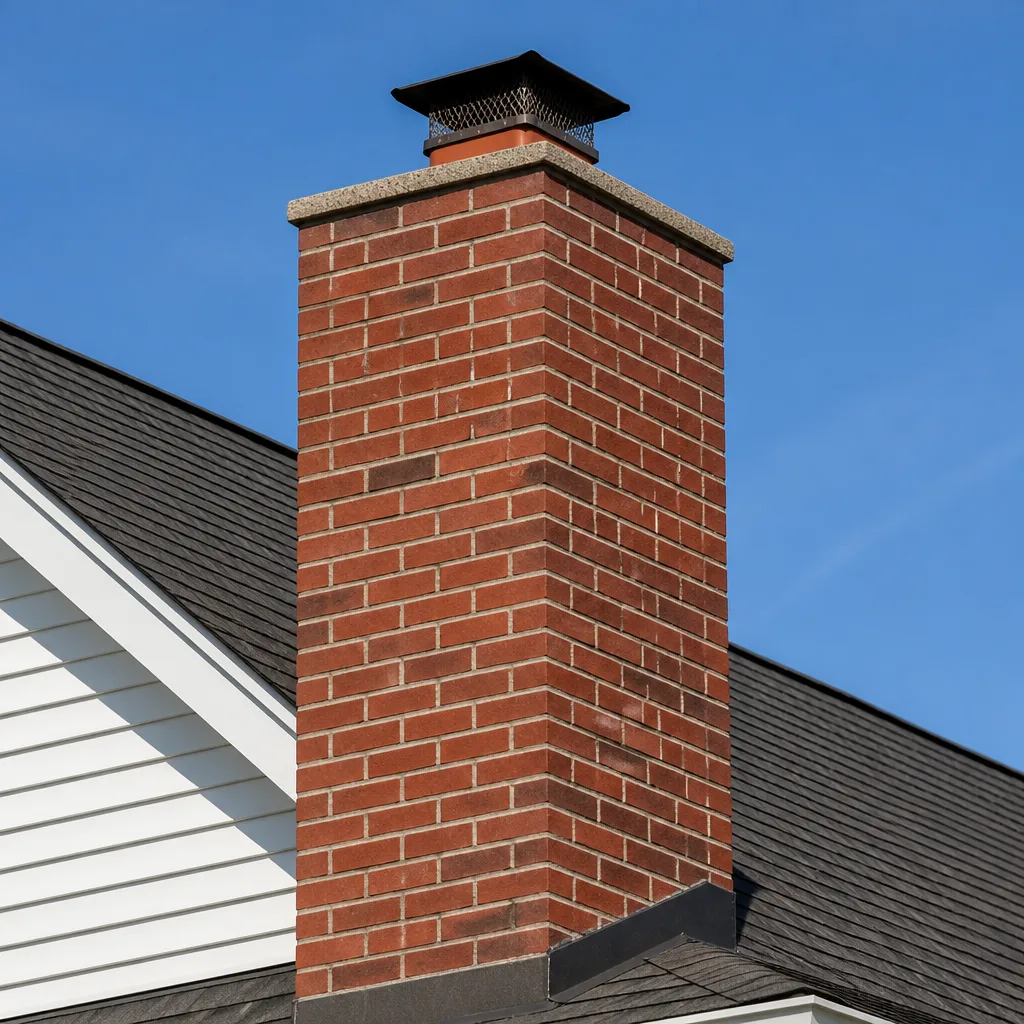 Masonry repair
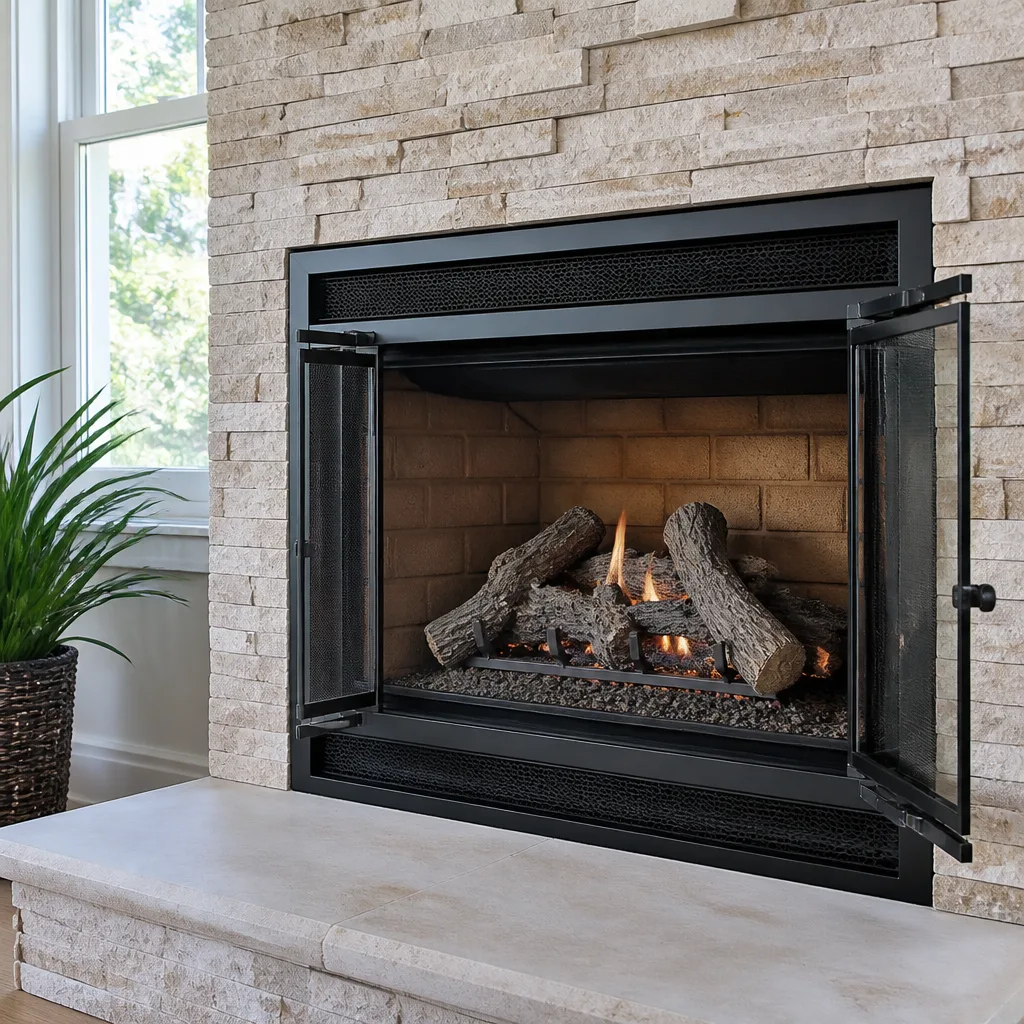 Gas fireplace service
Level 1 sweep and inspection to the NFPA 211 annual standard - flue, crown, cap, and flashing checked and photographed
Chimney sweep logs do not sweep chimneys. They loosen some creosote - which then falls where a brush and vacuum still have to collect it.
Chimney Cleaning Permits, Codes & Inspections in Orem, UT: What You Need to Know
Most homeowners assume a permit only matters when you build something new. In Orem, that assumption can cost you. Under the Utah Residential Code, certain chimney repairs, not just fresh installations, cross the line into permitted work, and a liner replacement done without one can leave a code violation sealed inside your wall. That matters when you sell, when an inspector climbs onto your roof, and when you file an insurance claim after a chimney fire. This guide breaks down which chimney work in Orem actually triggers a permit, how IRC Chapter 10 applies to liner work, what “listed and labeled” means for the materials going into your flue, and how to verify permit status on a home you already own.
Quick Answer
In Orem and across Utah, routine chimney cleaning and visual inspections generally do not require a permit. Structural chimney repairs, flue liner replacements, firebox rebuilding, and cap or crown reconstruction usually do, because they fall under the Utah Residential Code adopted from IRC Chapter 10. If your contractor replaced a liner and pulled no permit, treat it as an open question worth verifying before the next sale, inspection, or insurance claim.
Styles & brands we work with
- Sweep & inspection
- Caps & crowns
- Flue relining
- Masonry repair
- Gas fireplace service
Table of Contents
- Which chimney work requires a permit in Orem?
- How IRC Chapter 10 applies to liner replacements
- What “listed and labeled” means for chimney materials
- Cleaning visit vs. repair visit: the code difference
- What a real chimney inspection covers
- Failed inspections and resale: what buyers find
- How to verify permit status on past work
- Why Orem’s climate and housing stock affect chimney condition
Which chimney work requires a permit in Orem?
The simplest way to think about it: cleaning is maintenance, repair is construction. Utah Residential Code treats a chimney as part of the building’s structural and life-safety systems. When you alter the flue, rebuild the firebox, or replace a liner, you’re changing a system the code has specific requirements for. That’s when a permit enters the picture.
Here’s how the split usually falls for Orem homeowners:
- No permit typically needed: routine sweeping, a Level 1 or Level 2 inspection, minor cap tightening, replacing a spark arrestor screen, sweeping after a season of burning.
- Permit usually required: full flue liner replacement, firebox rebuild or refractory panel replacement, chimney chase structural repair, crown replacement, chimney cap installation on a new flue termination, and any change to the flue’s size or material.
- Case by case: HeatShield liner resurfacing (which restores the existing liner rather than replacing it) and smaller crack repairs. Whether a permit is triggered depends on how much of the original liner structure is being altered, and that’s a question for Orem City’s building department.
We inspect first, then recommend. That order matters because the scope of the repair determines the permit question. A homeowner who’s been told they need a full reline when liner restoration would solve the problem is looking at more cost, more disruption, and a bigger permit footprint than necessary. From cap to firebox, the right answer starts with what the camera shows.
If you’re unsure whether your particular job crosses the threshold, call Orem City’s building department directly and describe the scope. They’ll tell you. Then get it in writing from your contractor that the permit will be pulled and the inspection scheduled before the job closes.
How IRC Chapter 10 applies to liner replacements
IRC Chapter 10 covers chimneys and vents, and it’s the section most chimney work in Orem gets measured against. Utah adopts the IRC as its residential code, so the language you’ll hear from an inspector or code official is drawn from there. You don’t need to read it cover to cover. You do need to understand three things.
One: liner material must match the appliance. A wood-burning fireplace insert, a freestanding stove, and an open-hearth fireplace don’t all use the same liner class. A retrofit that drops in a flexible liner sized for a different appliance than the one you’re venting is a code problem even if it “works.”
Two: the liner must be continuous for the full run. Sectioned liners pieced together above the firebox are a common shortcut. The code wants a continuous flue from the appliance connection to the top termination, which is exactly why a proper reline uses a single flexible liner system like DuraFlex rather than sections joined on the way up.
Three: clearance to combustibles. The IRC specifies how far a chimney’s exterior must sit from wood framing and other combustible material. During a liner replacement, the existing chase and framing get exposed. That’s when clearance violations from earlier construction get discovered. An inspector checking permitted work will look at this. A sweep doing a cleaning-only visit won’t.
Here’s the practical implication: a contractor who skips the permit is also skipping the inspection, and the inspection is where clearance and material problems get caught. The permit is the paper trail. The inspection is the substance.
For a closer look at the difference between a cleaning visit and a repair scope, our page on chimney repair walks through the repair categories in more detail.
What “listed and labeled” means for chimney materials
When a code official says a liner or vent component must be “listed and labeled,” they mean the product has been tested by a recognized third-party laboratory to a published safety standard, and it carries a label stating that. It’s not marketing language. “Listed” is a specific term of art in the building code. An unlabeled liner, or a liner with a label that doesn’t match the application, isn’t a compliant install, regardless of how it performs in the short term.
This is where material sourcing becomes a code issue, not just a quality preference. Off-brand liner kits sold online often lack the listing for the appliance class they’re being sold into. A professional-grade flexible liner system, matched to the appliance and the flue dimensions, comes with the listing documentation your inspector will ask to see.
We source from manufacturers who support the code requirements: DuraFlex for flexible relining, HeatShield for liner restoration, Olympia Chimney and Copperfield for liners and venting components, Famco for caps and terminations, and Gelco for crown and masonry repair products. Multiple suppliers means we can match the material to the repair, not force one product family onto every job. If a homeowner’s question is “will the inspector accept this,” the answer should come from the product’s listing, not from our assurances.
Ask your contractor to show the listing documentation before the install. If they can’t, that’s the sign to stop.
Cleaning visit vs. repair visit: the code difference
This is where most confusion lives, and it’s worth stating plainly. A chimney sweep is a maintenance service. It removes creosote, soot, and debris from the flue, firebox, smoke chamber, and damper area. It doesn’t alter the structure of the chimney. From a code enforcement standpoint, that’s the dividing line.
A repair visit is different. It changes part of the chimney system, and changed parts have code requirements.
Numbered, from a code and permit perspective:
- Sweeping. No permit. Documentation: a written report of what was removed and what was found.
- Level 1 inspection. Visual, accessible areas only. No permit. Documentation: written findings with photos of any defect.
- Level 2 inspection. Includes a video camera scan of the flue interior. No permit for the inspection itself, but this is the scan that usually surfaces the defect requiring a permit to repair.
- Minor repair. Cracked crown patch, cap hinge, screen replacement. Permit requirements vary. Often no permit, but check with Orem City.
- Structural repair or liner replacement. Permit required in most cases. Documentation: permit number, inspection sign-off, and the contractor’s written scope.
That second item deserves emphasis. A Level 2 inspection with a camera scan is a dedicated service, not a glance above the damper before sweeping. Homeowners who get a documented assessment with photos are the ones who know whether they’re looking at a sweep, a repair, or a permit. When we run an inspection, you see the same images we do. That’s the point.
For the cleaning side of the visit, our chimney sweep page covers what to expect during a standard service.
What a real chimney inspection covers
A genuine inspection goes from the top down. The chimney is a system, and the roof-level components fail in different ways than the firebox does. A report that covers only the flue interior is incomplete. Here’s what a documented inspection includes.
- Cap and crown (roofline): cracks in the crown, cap condition, the seal where the flue meets the crown, and whether water is entering the chimney chase.
- Flue interior (camera scan): liner integrity, joint condition, glazing levels and creosote stage, and any offset or obstruction.
- Smoke chamber and damper: the transition zone between the firebox and flue. Cracks here leak smoke and reduce draft.
- Firebox and refractory panels: joint integrity, panel cracking, and signs of overheating.
- Exterior chimney chase and clearance to combustibles: the section most easy-inspection contractors skip, and the one that most often surfaces a code issue.
If any of it turns up a defect that requires a permit to fix, the report should say so in plain terms and describe the scope. That’s the difference between an assessment and an upsell. The homeowner with a written report and a camera scan can make a decision. The homeowner with a verbal “you need a full reline” cannot.
Failed inspections and resale: what buyers find
Chimney defects surface at two predictable moments: during a home inspection when a house is sold, and during an insurance claim after a chimney fire. Both events pull back the curtain on prior work.
A home inspector performing a standard pre-sale inspection will run a camera down the flue, check the firebox and crown, and note anything abnormal. If that camera scan reveals an unpermitted or poorly installed liner, the finding goes into the inspection report in writing. The buyer then has leverage. Depending on the contract, the seller may be looking at a repair negotiated into the closing, or a renegotiation of price.
The permit history is also checkable. Orem City’s building department keeps records of permits pulled on a property. A buyer’s agent or a title company can request them. If a chimney was relined and no permit shows up, that’s a flag worth asking about. It doesn’t automatically mean the work is bad. It does mean there’s no inspection record.
One more pattern worth knowing: unpermitted liner work is often run by contractors who then can’t be reached. When a later contractor opens up the chase and finds a liner installed with the wrong material class, missing clearances, or a termination that doesn’t meet code, the fix typically costs more than the original job. The permit would have caught it before the walls closed.
The lesson for a buyer in Orem or anywhere in Utah County: request the permit history on any home with a fireplace. It takes a few minutes. For an existing homeowner, the same records tell you what you inherited.
How to verify permit status on past chimney work
Whether you’re buying a home or already living in one, verifying permit status is doable without much fuss. Here’s the process.
- Identify the address. The building department searches by property address and parcel number, which you’ll find on your title or tax record.
- Request the permit history. Orem City’s building department can pull permits on file for a property. Title companies do this routinely as part of a title search; the same information is available to any homeowner.
- Look for chimney-related permits. Relevant descriptions include “chimney,” “flue,” “liner,” “insert,” “fireplace,” or “masonry.”
- Check the inspection sign-off. A permit that was pulled but never inspected is an open permit, which is a different problem. Ask for the inspection record, not just the permit application.
- Get a Level 2 inspection. If the paper trail is missing or ambiguous, a camera scan of the flue tells you what’s actually installed. That’s the ground truth a permit record only partly covers.
- Match the install to the paperwork. The liner material, appliance class, and termination should match the permitted scope. A mismatch is the flag.
If the result comes back clean, you can stop worrying about it. If it doesn’t, you now have a starting point for the conversation, with either a builder, a seller, or an insurance adjuster.
For homeowners with a structural repair in front of them, our page on chimney repair covers how those repair scopes typically go.
Why Orem’s climate and housing stock affect chimney condition
Orem’s climate is a real factor in how chimneys age here, and it’s not the same story you’d hear in a coastal market. This is a high-desert valley with sharp temperature swings, wet cold-season precipitation, and long hot summers. That pattern stresses a chimney in specific ways.
Freeze-thaw cycling on the crown. Orem’s winters bring repeated freeze-thaw cycles, and a masonry crown is exposed to every one of them. Cracks open, water enters, and the crack reopens wider the next winter. That’s why crown inspection shows up so consistently on older Orem homes.
Inversion and smoke behavior. Utah Valley’s winter inversions trap cold air close to the ground and warm air above it. A chimney that drafts poorly already drafts worse during an inversion, and a weak draft pushes more smoke and creosote-stage deposits back onto the flue walls. Homeowners who burn through inversion periods tend to see heavier creosote buildup than they’d expect from their burn volume alone.
Housing age and insert retrofits. A lot of Orem’s housing stock was built before wood-burning inserts became common, and many homes have had inserts added later. An insert retrofit is exactly the kind of job that needs a properly matched liner and, often, a permit. Homes near the Orem neighborhoods along the foothills and through central Orem, closer into the built-up core, have been through several rounds of this.
That combination matters because it changes what “cleaning” means. A chimney in Orem may need more than a sweep, and the homeowner deserves a documented reason before anyone recommends structural work. Camera inspection and photo report come with every assessment so you’re not guessing.
Common Mistakes to Avoid
- Trusting a liner install without a permit record. A contractor who replaced your liner and skipped the permit left you a code gap that surfaces at resale or at claim time. Ask for the permit number and the inspection sign-off before the job closes.
- Assuming all cleaning visits are equally thorough. A sweep that skips a camera scan can’t tell you whether the liner is intact. On a chimney with insert retrofits in its history, that scan is the whole point.
- Accepting a verbal recommendation for a full reline. If the reasoning is “the liner’s shot,” ask to see the camera images. Any contractor who can’t produce photos for the reason isn’t’ t giving you a scope, they’re giving you a price.
- Skipping the annual sweep because the fireplace “still works.” Creosote stages don’t announce themselves. A fire can start in a chimney that drafts fine right up to the day it doesn’t.
- Letting a leaky crown go through another winter. Freeze-thaw in Orem will find every crack in a masonry crown. Small repairs early cost far less than a rebuilt chase later.
- Assuming the HVAC or handyman can do the liner job. Liners must be listed and labeled for the appliance, and installation must meet IRC Chapter 10 clearance rules. That’s not general-handyman scope.
- Ignoring the cap. A missing or damaged cap lets rain, snow, and birds into the flue. A cap and crown repair is one of the cheaper fixes in this trade and one of the most consequential for the liner below it.
See the difference
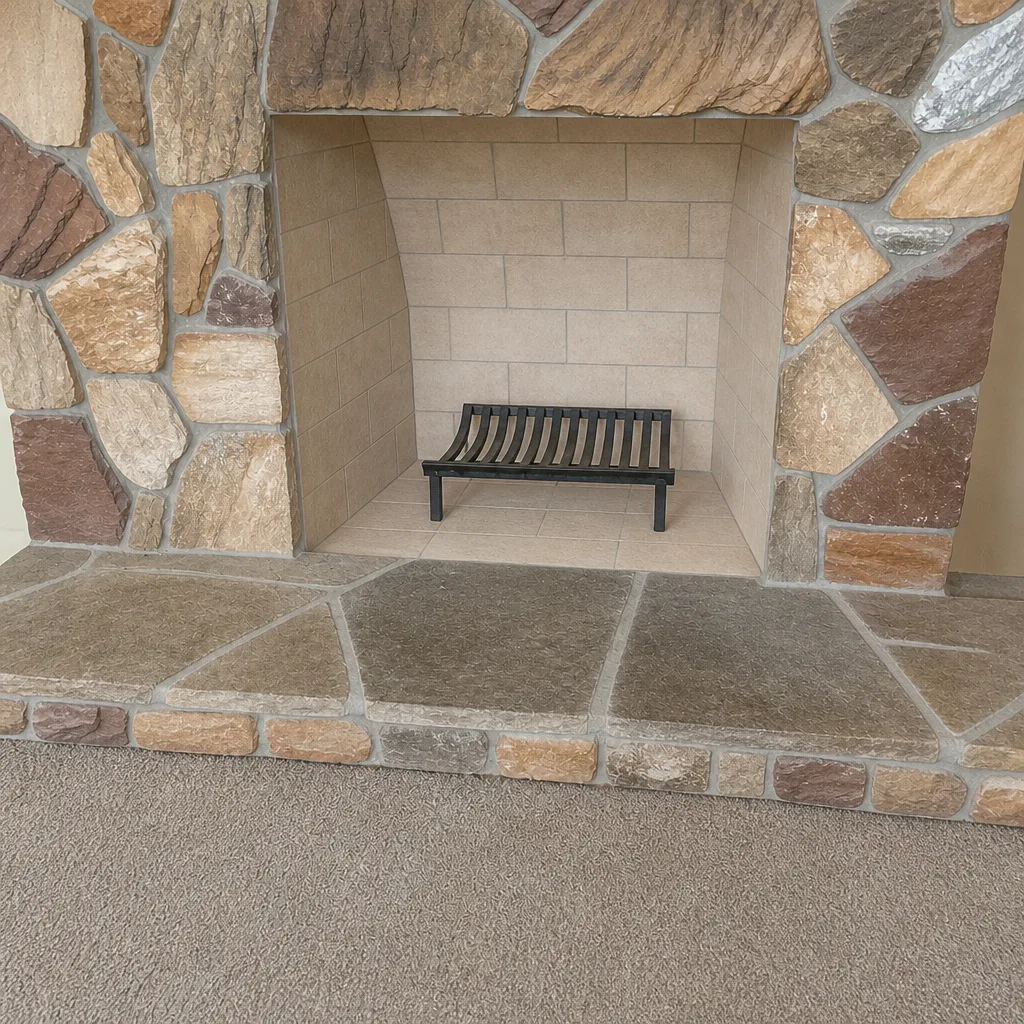
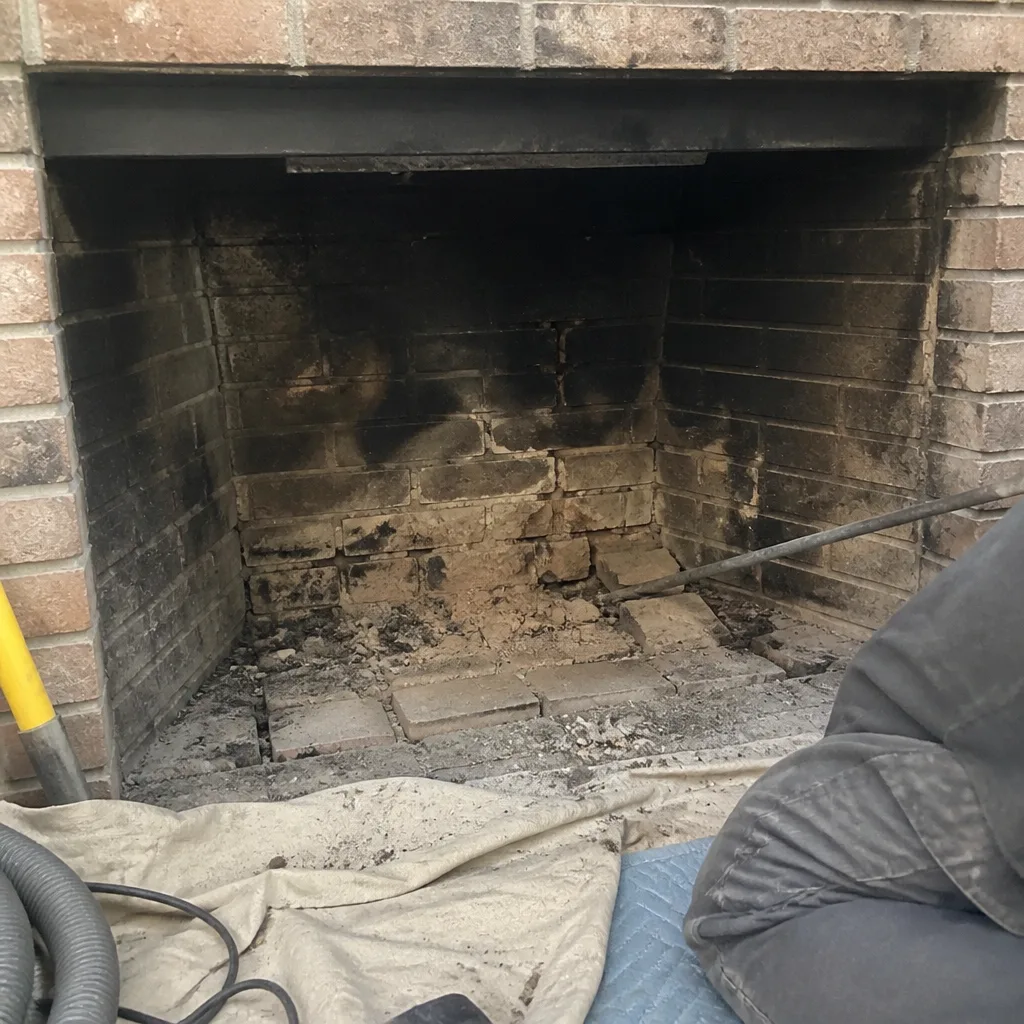 Before
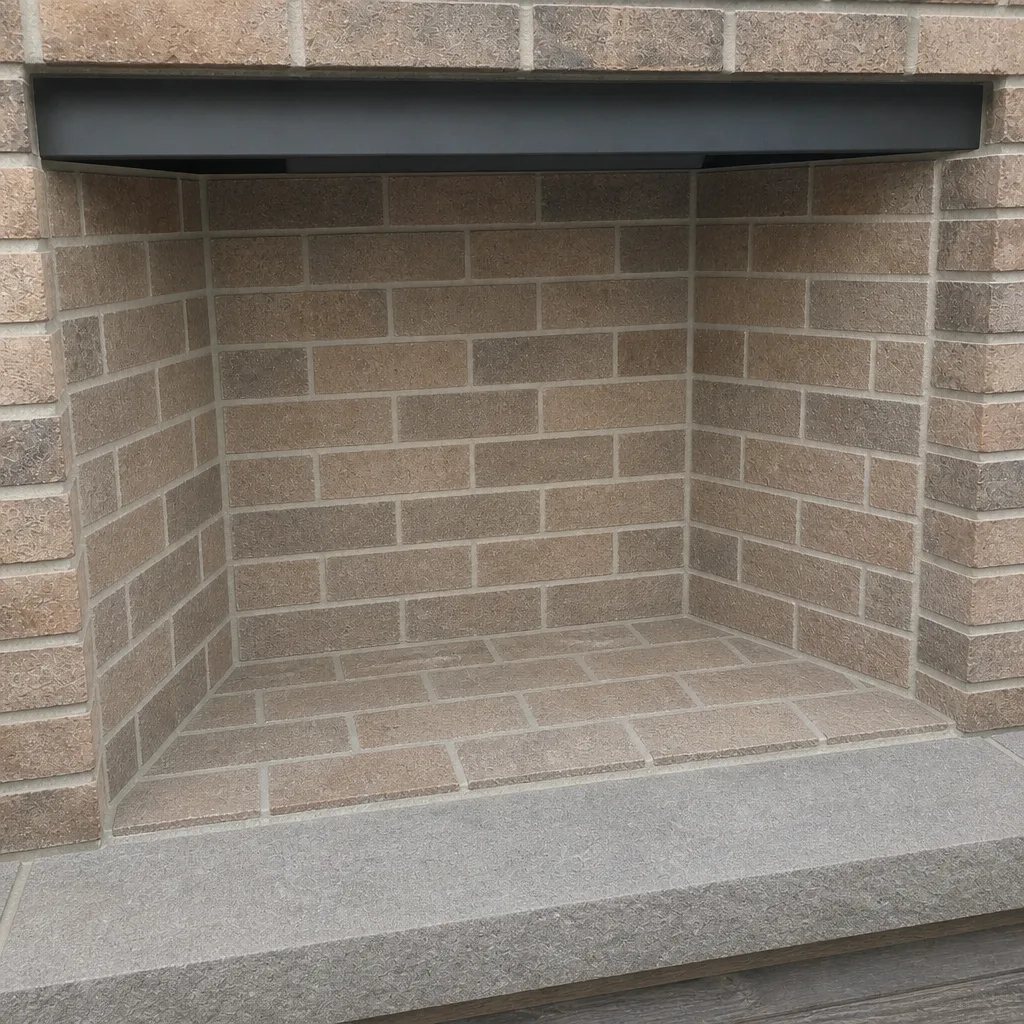 After
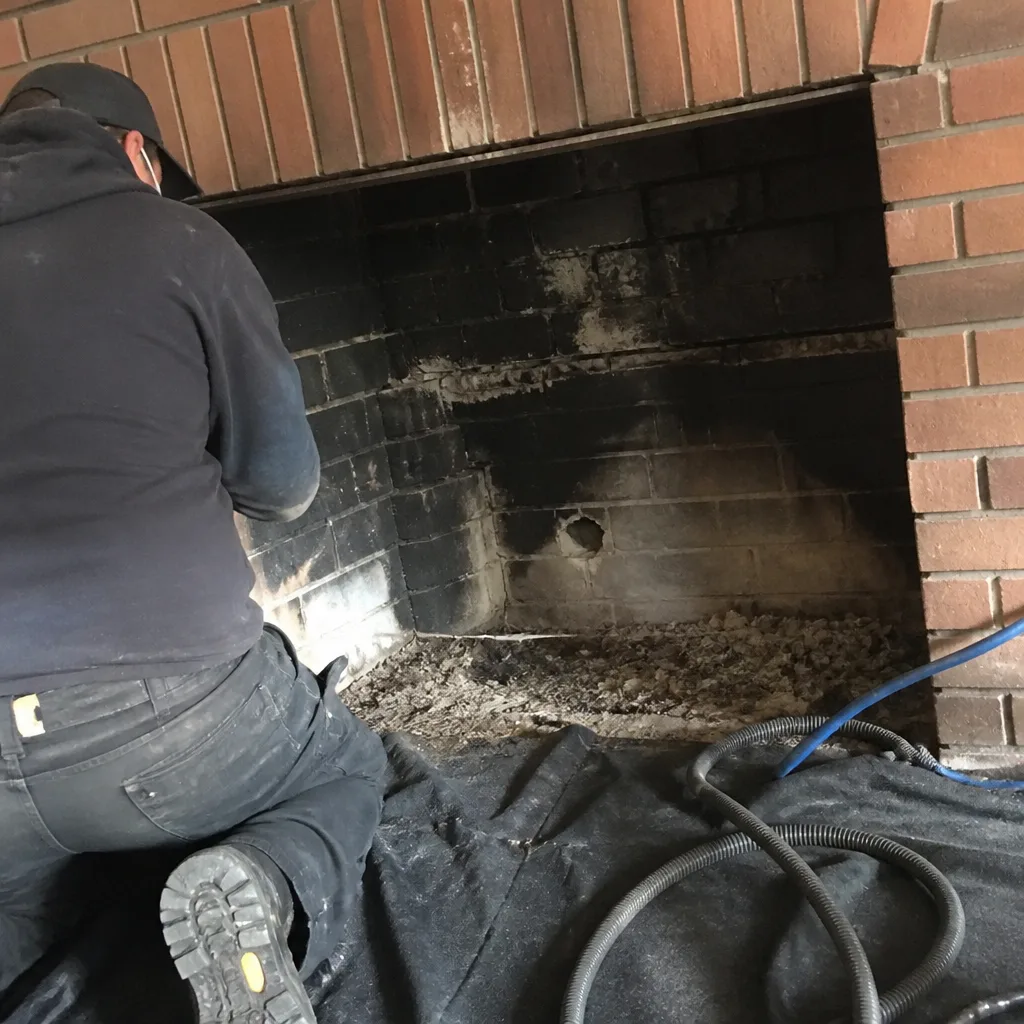
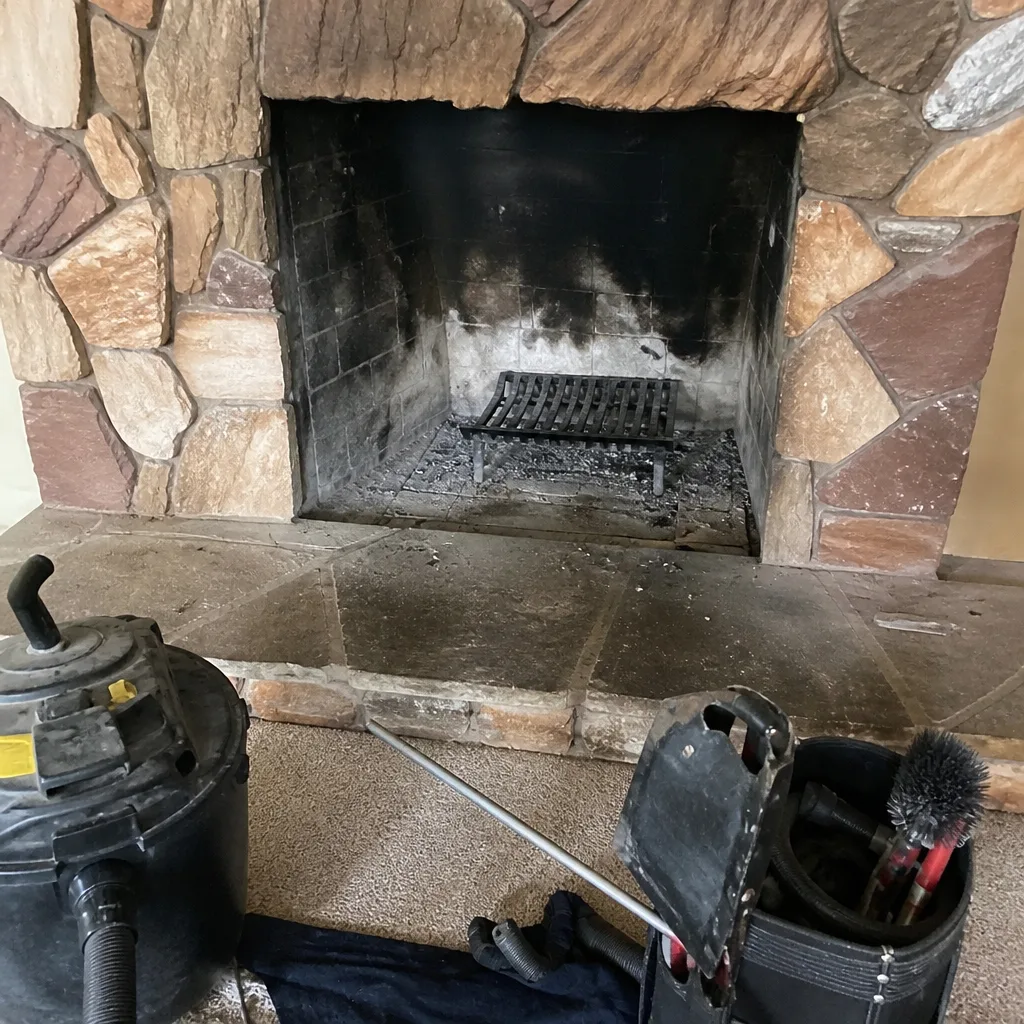 Before
 After
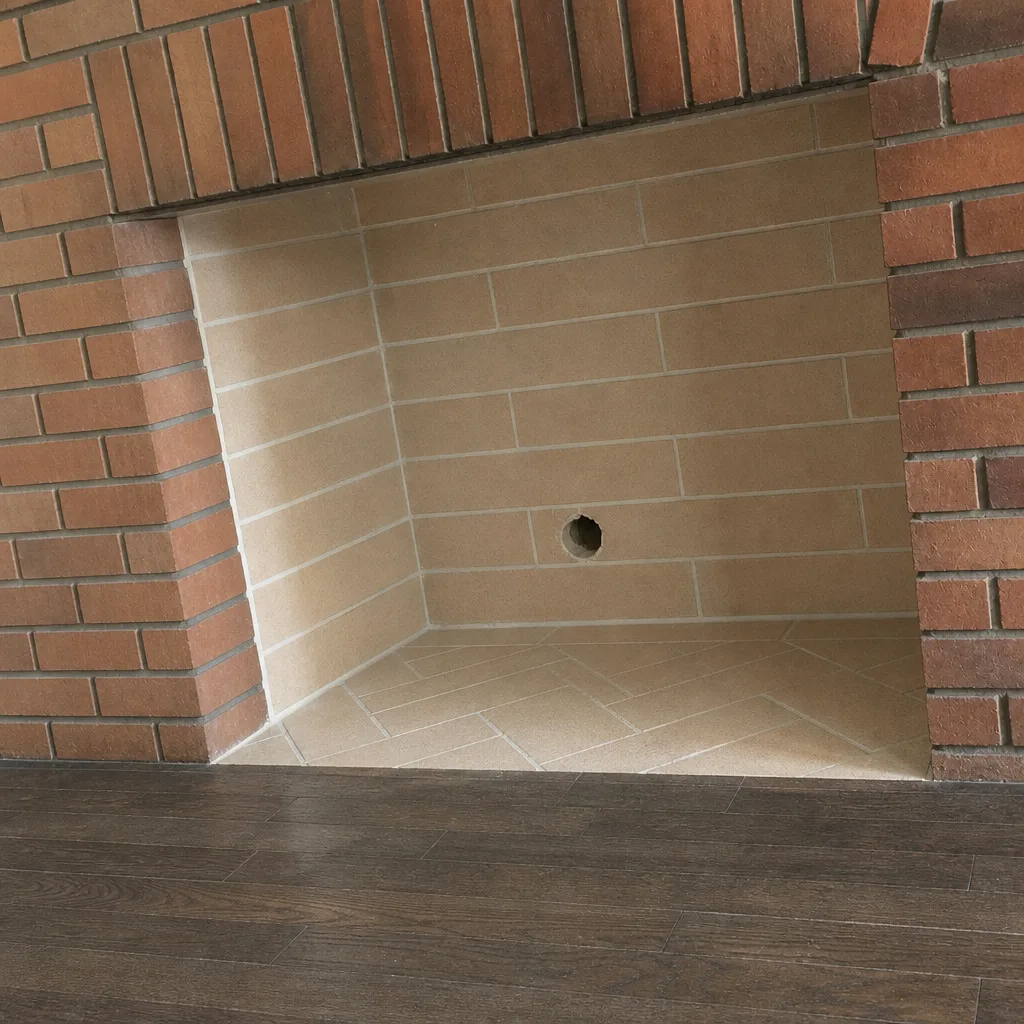
 Before
 After
When to Call a Professional
Call us when the work crosses from cleaning into repair, or when the next step isn’t clear. Specific triggers: a chimney that hasn’t been swept in a year or more of regular burning; a masonry crown with visible cracks; a fireplace insert retrofitted without documentation; smoke backing into the room during a burn; a pre-sale report flagging a chimney defect; or a home purchase where the permit history is missing. Any of these is worth an inspection. A sweep alone won’t answer the question. From cap to firebox, a documented assessment tells you what’s actually there – call (855) 658-4390.
Frequently Asked Questions
No. Routine chimney cleaning and visual inspections don’t require a permit in Orem or anywhere in Utah, because they’re maintenance rather than construction. Repairs that alter the flue, firebox, or chimney structure usually do. Call (855) 658-4390 for an inspection that distinguishes the two before you commit to a repair.
In most cases, yes. A liner replacement changes the flue system, and IRC Chapter 10 sets requirements for liner material, continuity, and clearance to combustibles that a code official verifies during a permitted install. Skipping the permit skips the inspection, and the inspection is where most install problems get caught. Call (855) 658-4390 for a scope and permit discussion.
It becomes your problem to verify. Request the permit history from Orem City’s building department, and get a Level 2 inspection with a camera scan to confirm what’s actually installed. If the install is sound but unpermitted, the fix is often documentation and, in some cases, retroactive permitting. If the install is defective, you’re looking at repair. Call (855) 658-4390 for an assessment.
Once a year during active burning season is the standard, more frequently if you burn heavily or burn unseasoned wood that produces more creosote. Utah Valley’s inversions make this more important, because a weak draft during an inversion pushes more deposits onto the flue walls. Call (855) 658-4390 to book a sweep.
It means the liner has been tested to a published safety standard by a recognized third-party laboratory and carries a label stating that. The term comes from the building code, and inspectors check for it. Unlisted liners aren’t compliant, no matter how well they perform short term. The liner systems we install, from DuraFlex and Olympia Chimney, come with listing documentation. Call (855) 658-4390 for details.
Frequently, yes. A standard pre-sale home inspection includes a flue camera scan and a visual check of the firebox and crown. Defects from poor installs often surface there, and the buyer gets the finding in writing. The permit record is a separate check, and it’s the one a careful buyer requests. Call (855) 658-4390 to get ahead of it before you sell or buy.
Creosote accumulates in stages, and later stages ignite more easily. Beyond the fire risk, a damaged liner can let combustion gases into the chimney structure or the home, which is a carbon monoxide concern. We don’t scare-sell. We do say plainly when a defect is worth addressing now, and when it can wait. Call (855) 658-4390 for an exact quote – estimates are free.
The Bottom Line
Chimney cleaning in Orem doesn’t need a permit, but the repair work often does, and the permit matters because it triggers the inspection that protects you. IRC Chapter 10 sets the standard for liner material, continuity, and clearance, and “listed and labeled” is a code term your inspector will check. If you’re buying or already own a home with a fireplace, verify the permit history and get a Level 2 camera scan. From cap to firebox, we inspect first, then recommend. We work with HeatShield for liner restoration when a full reline isn’t needed, and DuraFlex for jobs that require one. Our technicians have up to 9 years of experience. Chimney Sweep Orem offers free estimates in Orem – call (855) 658-4390 for an exact quote.
For a broader look at the service, start with Chimney Sweep Orem, or for repair-specific work see chimney repair and fireplace repair.
Written by the team at Chimney Sweep Orem.