
Last updated November 25, 2026
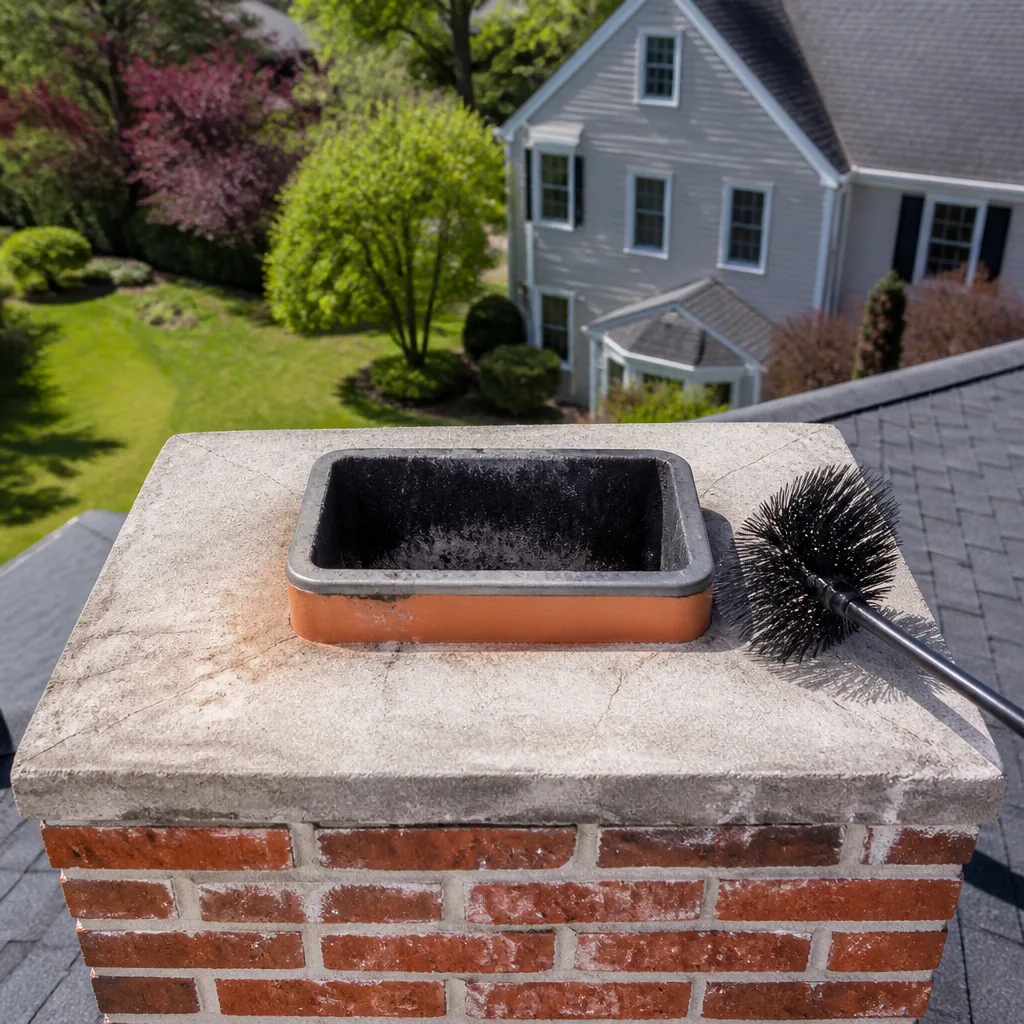 Sweep & inspection
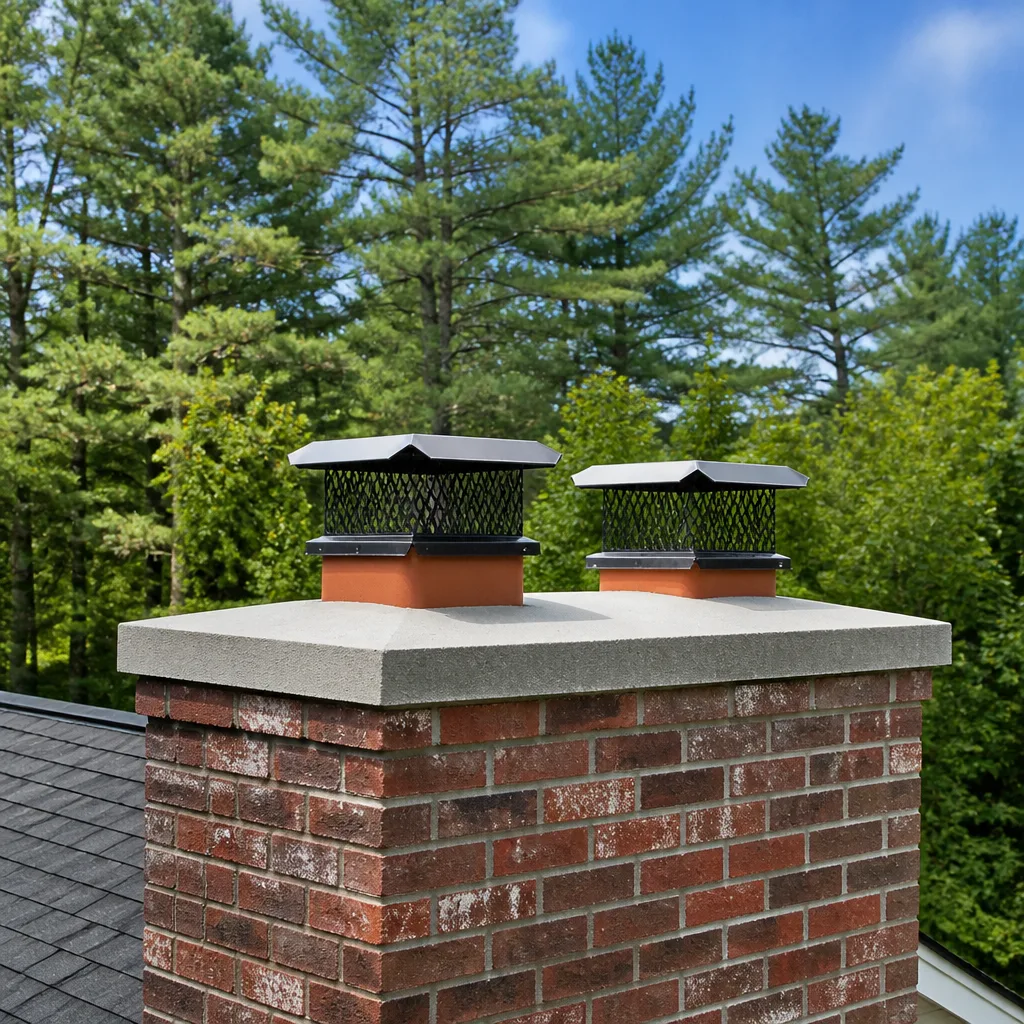 Caps & crowns
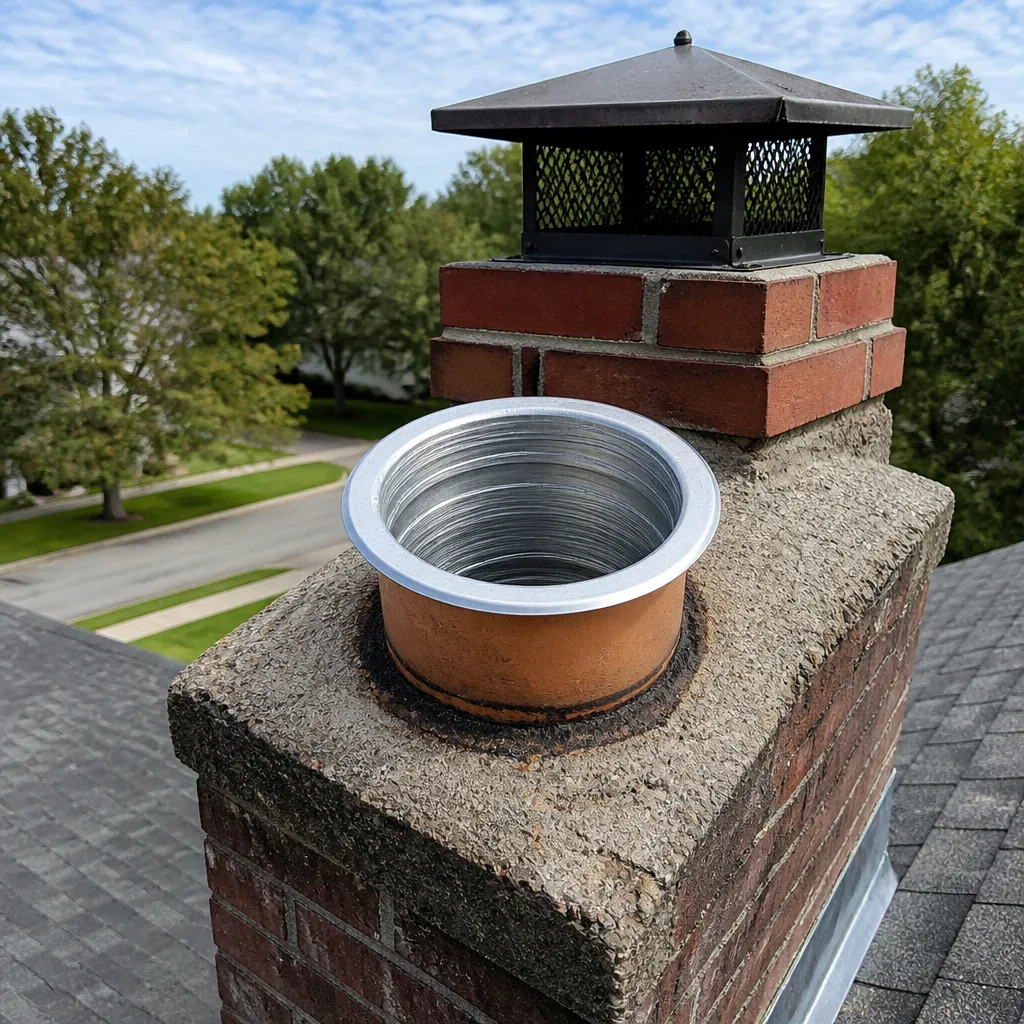 Flue relining
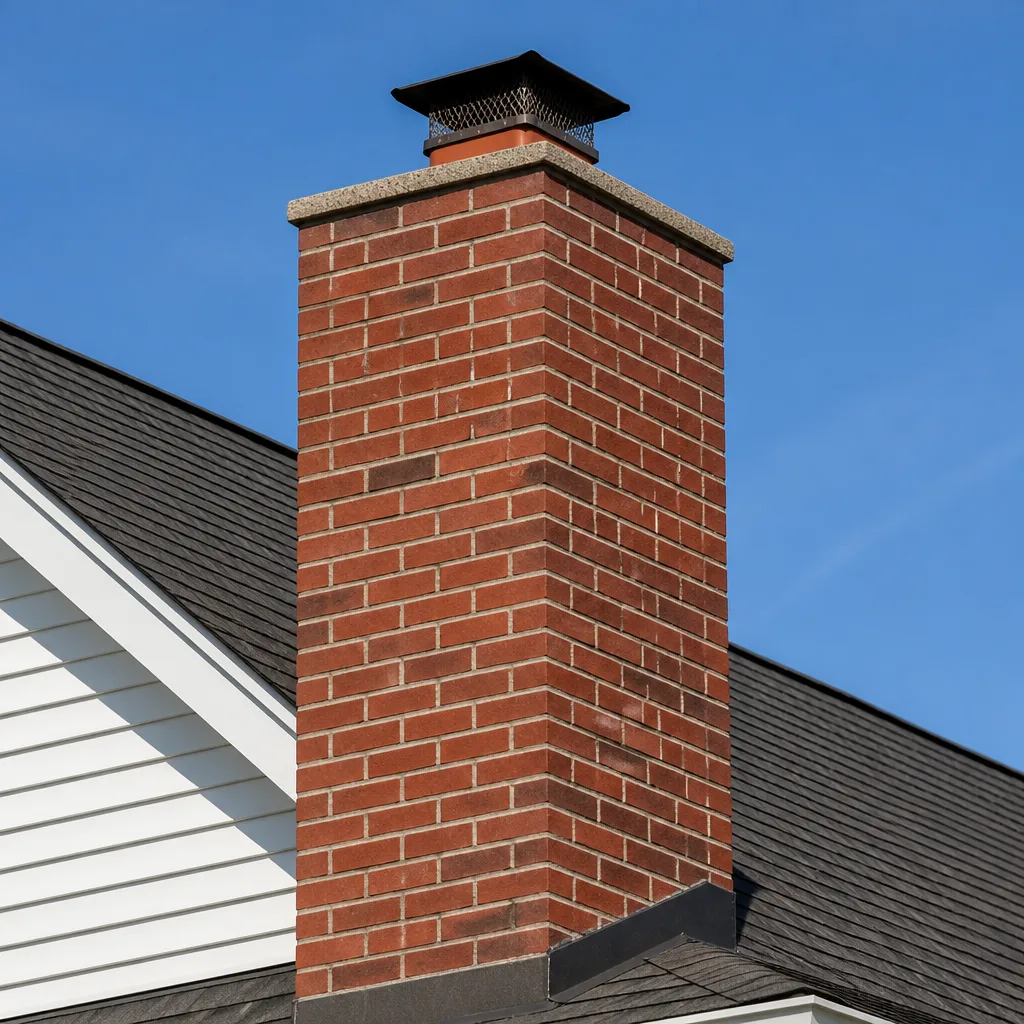 Masonry repair
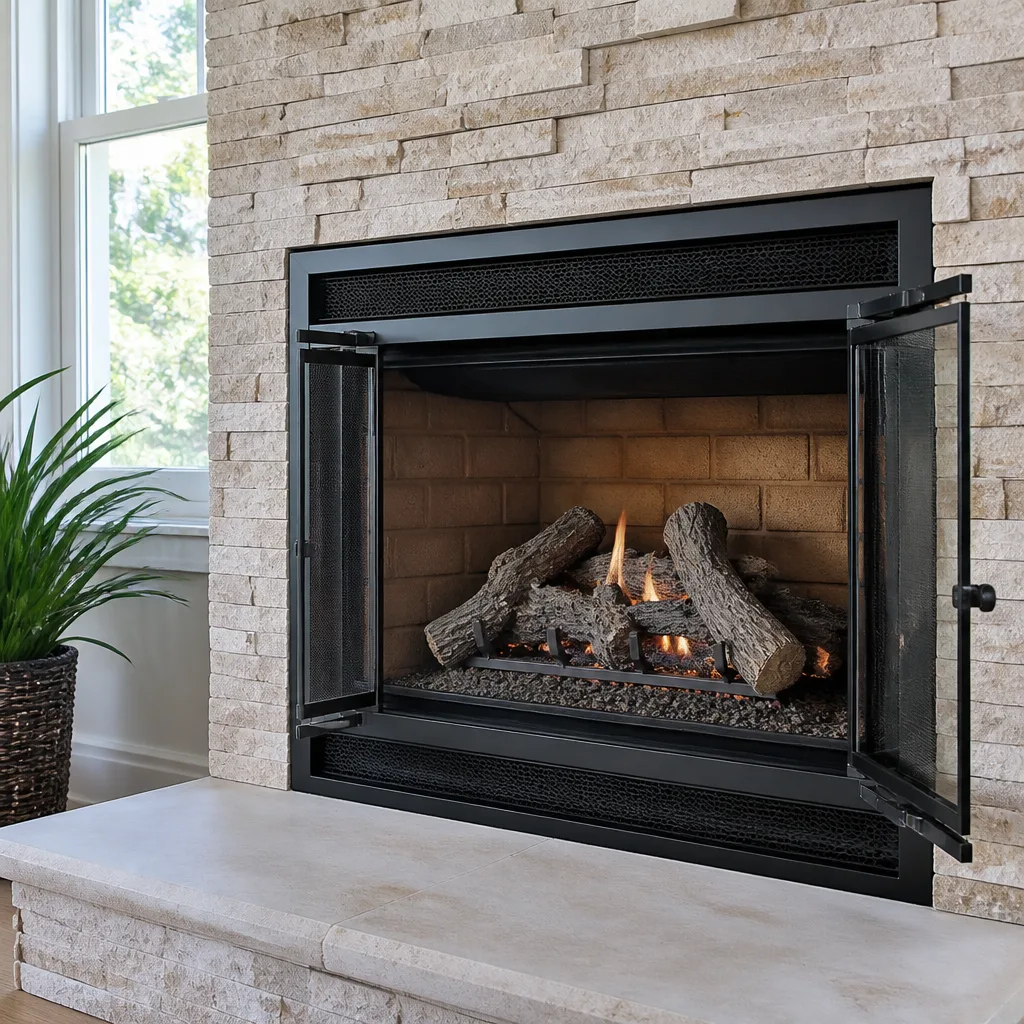 Gas fireplace service
Level 1 sweep and inspection to the NFPA 211 annual standard - flue, crown, cap, and flashing checked and photographed
Chimney sweep logs do not sweep chimneys. They loosen some creosote - which then falls where a brush and vacuum still have to collect it.
How to Hire a Chimney Cleaning Contractor in Orem: A Step-by-Step Guide
Any contractor can show up with brushes. The question worth asking is what they do when the brushes reveal something worse underneath. That distinction matters more in Orem than most homeowners realize: this is a high-desert valley where long, cold winters mean your fireplace runs hard for months, and the dry air and freeze-thaw swings quietly stress mortar, crown, and flue tile all year. Plenty of chimney outfits handle the sweep and nothing else. When a cracked flue liner or crumbling crown turns up, they hand you a phone number and drive off. This guide shows you how to tell a repair-capable specialist from a sweep-and-leave crew before you book, and exactly what to ask. We’re Chimney Sweep Orem, and we’d rather you hire the right contractor than the cheapest one.
Quick Answer
To hire a chimney cleaning contractor in Orem, look for a company that inspects before it sweeps, hands you written findings with photos, asks what fuel you burn and how often you use the fireplace, and can actually perform repairs, not just clean. Ask five diagnostic questions before booking: what inspection level they perform, whether they do liner restoration and relining in-house, which products they use, how they document findings, and whether they carry general liability insurance. A crew that answers those cleanly can fix what it finds; one that can’t is a maintenance-only sweep.
Styles & brands we work with
- Sweep & inspection
- Caps & crowns
- Flue relining
- Masonry repair
- Gas fireplace service
Table of Contents
- What Certifications Actually Verify (and What “Licensed and Insured” Doesn’t)
- Five Diagnostic Questions to Ask Before You Book
- Why the Lowest Quote Is Often the Most Expensive
- What a Legitimate Inspection Report Should Contain
- Utah-Specific Red Flags: Unlicensed Liners, Missing Permits, Unlisted Caps
- Sweep-and-Leave vs. Repair-Capable: The Real Difference
- How Often Should a Chimney Be Swept in Orem?
- Closing the Gap: What to Do With the Report You Get
What Certifications Actually Verify (and What “Licensed and Insured” Doesn’t)
“Licensed and insured” is the phrase every contractor throws around, and it’s a start, not a finish. It tells you the company carries liability coverage and, where required, holds a state contractor license. What it doesn’t tell you is whether anyone on the crew knows how to read a flue. That’s where third-party certifications come in, and they’re the single best shortcut to a competent chimney contractor in Orem.
Two credentials matter most. The CSIA (Chimney Safety Institute of America) certification is the industry benchmark for sweeps and inspectors. It verifies that a technician has passed a proctored exam on combustion safety, venting, inspection standards, and the codes that govern residential chimneys, and it requires continuing education to stay current. The NFI (National Fireplace Institute) designation applies to hearth appliances specifically; it confirms a technician has been trained and tested on installing and servicing gas, wood, and pellet fireplaces and stoves. Neither is a guarantee of perfect workmanship, but together they signal that someone took the trade seriously enough to be tested on it.
What generic licensing language genuinely does not cover:
- Combustion knowledge. A general handyman license doesn’t test anyone on draft or flue sizing.
- Liner standards. Knowing a liner must be “listed” and “compliant” isn’t the same as being able to install one to those standards.
- Inspection protocol. A license won’t tell you whether the technician knows the difference between a Level 1, 2, or 3 inspection.
When you hire a chimney sweep in Orem, ask which certifications the technician actually coming to your house holds, not just what’s printed on the company website. A serious contractor will tell you plainly.
Five Diagnostic Questions to Ask Before You Book
The right questions separate a repair-capable chimney specialist from a maintenance-only crew faster than any website. These five are calibrated so the answers reveal real capability, not sales polish. Have them ready when you call.
- “What inspection level will you perform, and when?” A true inspection happens before the sweep, or alongside it, so the technician knows what they’re dealing with. A company that only glances up the flue and calls it good is doing a courtesy check, not a real inspection. Listen for a specific answer that follows the industry’s inspection standards.
- “If you find a cracked flue, can you restore or reline it?” This is the core question. If the answer is no, or “we have a guy,” you’ve found a sweep-and-leave outfit. A repair-capable company can go from diagnosis to fix without a second crew.
- “What products do you use for liner work?” Companies that stock the right material for the problem will name professional systems, like HeatShield resurfacing or DuraFlex flexible liners, and explain which suits which condition. Vague answers usually mean whatever’s in the truck.
- “How do you document what you find?” Photos and written findings, provided to you. A contractor who can’t produce a written inspection report isn’t doing a full inspection, regardless of what they call it.
- “What does the cap and crown look like when you’re done?” If they can’t speak to the roofline end of the system, they probably don’t do crown work. The right contractor covers it from cap to firebox.
The common thread: you want a company that says “we inspect first, then recommend.” That sentence separates honest contractors from energetic upsells, and it’s the one to listen for.
Why the Lowest Quote Is Often the Most Expensive
When you line up three quotes and the third comes in 40 percent lower, that gap isn’t efficiency. It’s almost always a function of what’s been left out of the bid. Comparing chimney sweep bids on price alone is the most reliable way to get stuck paying twice.
Here’s what a low quote typically omits, and it’s not always visible on the invoice:
- The inspection. Some lowball sweeps skip the inspection entirely and lump it into the sweep price. That hides problems instead of surfacing them.
- The proper liner. A cheap reline might use ill-fitting material, or one that isn’t listed for your fuel type or appliance.
- Permits. Structural chimney repairs in most Utah jurisdictions require a permit. A quote that doesn’t mention one may be quietly planning to skip it.
- Documentation. No written report, no photos, no record of what was repaired.
- Cleanup and disposal. Creosote and soot have to be removed, contained, and disposed of properly. That’s real labor.
The fair way to compare bids is to standardize them. Ask each contractor to itemize the quote into four lines: inspection, sweep, identified repairs or none, and permits required or none. When all three quotes are on the same four-line format, the low one either matches on scope or exposes what it’s leaving out. On a system that carries combustion byproducts out of your home, a bid that leaves the hard parts out is the expensive choice.
What a Legitimate Inspection Report Should Contain
A real chimney inspection produces a real document. If you paid for an inspection and walked away with a verbal “you’re fine,” you didn’t get an inspection. A proper report in Orem should stand on its own without the technician there to explain it.
Here’s what to look for:
- Photos of each zone. Cap, crown, flue at multiple depths, damper, firebox, and any accessible connection points.
- An assessment per zone. Not just “good” or “bad” but what the condition is and whether it needs attention now or later.
- The condition of the flue liner. Cracks, spalling, gaps between tiles, and any missing sections called out specifically.
- Creosote level and type. How much buildup, and at what stage, since glazed creosote is a different problem than light soot.
- Exterior condition of the chimney structure. Masonry, flashing where the chimney meets the roof, and the crown.
- Clear recommendations. What, if anything, needs repair, and what can safely wait.
When we handle chimney repair, that documented assessment is the starting point. A report that leaves out any of the above is reason to ask for a fuller one. And a company that offers an inspection as a dedicated, standalone service (not a quick peek before the sweep) is far more likely to give you one you can actually use.
Utah-Specific Red Flags: Unlicensed Liners, Missing Permits, Unlisted Caps
Some problems are worse in Utah than elsewhere, and they cluster around the structural and liner side of the trade. Knowing what to watch for will keep you out of three specific traps.
Unlicensed or unlisted liner installs. A flue liner has to be listed and installed to the manufacturer’s instructions for your appliance and fuel. Fly-by-night crews sometimes install cheap, ill-fitted liner that isn’t rated for the temperatures a wood fire produces. The failure mode is invisible until it matters. Ask what liner system is being used and confirm it’s listed for your appliance.
Skipping permits on structural repairs. Structural work like crown rebuilding or chimney reconstruction generally requires a permit in Utah, and a permit means an inspection. A company that offers to skip the permit to save you a step is cutting a corner you can’t see. Ask directly whether the repair requires a permit, and expect a straight answer.
Non-listed caps on a listed system. A chimney cap protects the flue from rain, snow, and animals, and in these dry, windswept valleys, weather intrusion and nesting are real. But a cap needs to be compatible with the listed system it sits on. A mismatched or improvised cap can obstruct draft or fail in high wind. Ask whether the cap is designed for your flue type.
If you want the full system handled correctly, a company that sells and installs from professional-grade suppliers like Olympia Chimney and Gelco can match the part to the problem. Unlisted caps and missing permits don’t announce themselves. You’ll only find them when something fails or the house sells.
Sweep-and-Leave vs. Repair-Capable: The Real Difference
The chimney service market splits into two groups, and the split determines what happens after the sweep. A sweep-and-leave crew cleans the flue and leaves. A repair-capable specialist cleans it, assesses the whole system, and can fix what they find without handing you off to a second contractor.
Here’s the practical difference, laid out:
- Sweep-and-leave: cleans to the flue, doesn’t inspect the roofline or firebox in depth, can’t reline or rebuild a crown, and refers structural work elsewhere.
- Repair-capable: inspects before recommending, covers every zone from cap and crown down to the firebox, restores liners with systems like HeatShield when possible, and installs DuraFlex flexible liner in cases that need a full reline.
The value shows up when the sweep turns up something. If your flue has surface cracking but is otherwise structurally sound, HeatShield resurfacing can often restore it as a repair, avoiding the cost of a full reline. That’s a repair-capability decision. And whether the answer is resurfacing or relining, both are steps on the same system, not a reason to call a different company. Our chimney sweep technicians have up to 9 years of experience and treat the sweep as the entry point into the full system, not the end of the visit.
When you’re screening contractors, ask what happens when they find a problem. A repair-capable company won’t hesitate on the answer.
How Often Should a Chimney Be Swept in Orem?
If you burn wood regularly, plan on an annual sweep and inspection. That’s the baseline the trade recommends, and in a place with long heating seasons like Orem, it’s the right floor, not a ceiling. Homes where the fireplace runs most winter evenings will accumulate creosote faster than the once-a-year rule of thumb implies.
The factors that shift the schedule:
- Usage. Occasional fires mean less buildup; daily winter use means more.
- What you burn. Seasoned, dry hardwoods produce less creosote than soft or unseasoned wood. Whatever you burn, avoid burning trash or paper scraps, which add to the problem.
- What kind of firebox you have. A wood-burning fireplace builds up creosote in a way a gas log set does not, so the two need different attention.
- Whether creosote is glazing. If a previous sweep noted glazed or third-stage creosote, that’s a signal to revisit sooner, and to ask whether a sweep alone is enough.
In our experience, the right answer is an annual inspection whether or not the chimney needs a full sweep that year. The inspection tells you what the year actually called for. If you’re overdue, book the Chimney Sweep Orem today, and the assessment comes back with the report.
Closing the Gap: What to Do With the Report You Get
A report is only worth what you do with it. When the inspection comes back, sort the findings into three buckets and hold the contractor to them.
- Do it now. Cracks in the flue liner, failed flashing, or a crown that’s letting water in. Water intrusion on a chimney in this climate is a slow problem that gets expensive.
- Plan for it. A cap that should be replaced within a year, mortar joints that are starting to weather, or a fireplace surround with failing joints inside.
- Leave it alone. Findings that don’t affect combustion or structural integrity. Ask the plainest question: can this safely wait? A good contractor will tell you yes without flinching.
The single best signal of an honest chimney company is that last bucket. Some things can wait, and being told so when it’s true is how you know the rest of the report is real. If you need fireplace repair on the interior side, the same logic applies: the firebox and surround get the same documented treatment as the flue.
Common Mistakes to Avoid
- Hiring a sweep who doesn’t inspect. A quick glance up the flue isn’t an inspection. Ask what the inspection includes and how it’s documented before you book.
- Choosing the cheapest quote without comparing scope. The low bid usually isn’t cheap; it’s short on work. Standardize every quote into four lines before you compare price.
- Skipping the permit on structural repairs. Crown rebuilds and masonry work generally require a permit in Utah. A contractor who offers to skip it is saving you a step, not protecting your home.
- Assuming any sweep can reline. Sweeping and liner restoration are different capabilities. Ask directly whether the company does HeatShield resurfacing or full relines, or whether they refer it out.
- Burning a few “extra” things. Paper scraps and holiday packaging produce their own soot and exasperate creosote buildup. Burn seasoned wood and leave the rest out of the firebox.
- Ignoring the roofline. The cap and crown are the chimney’s first line of defense against snowmelt and rain. A sweep who never looks up isn’t assessing the whole system.
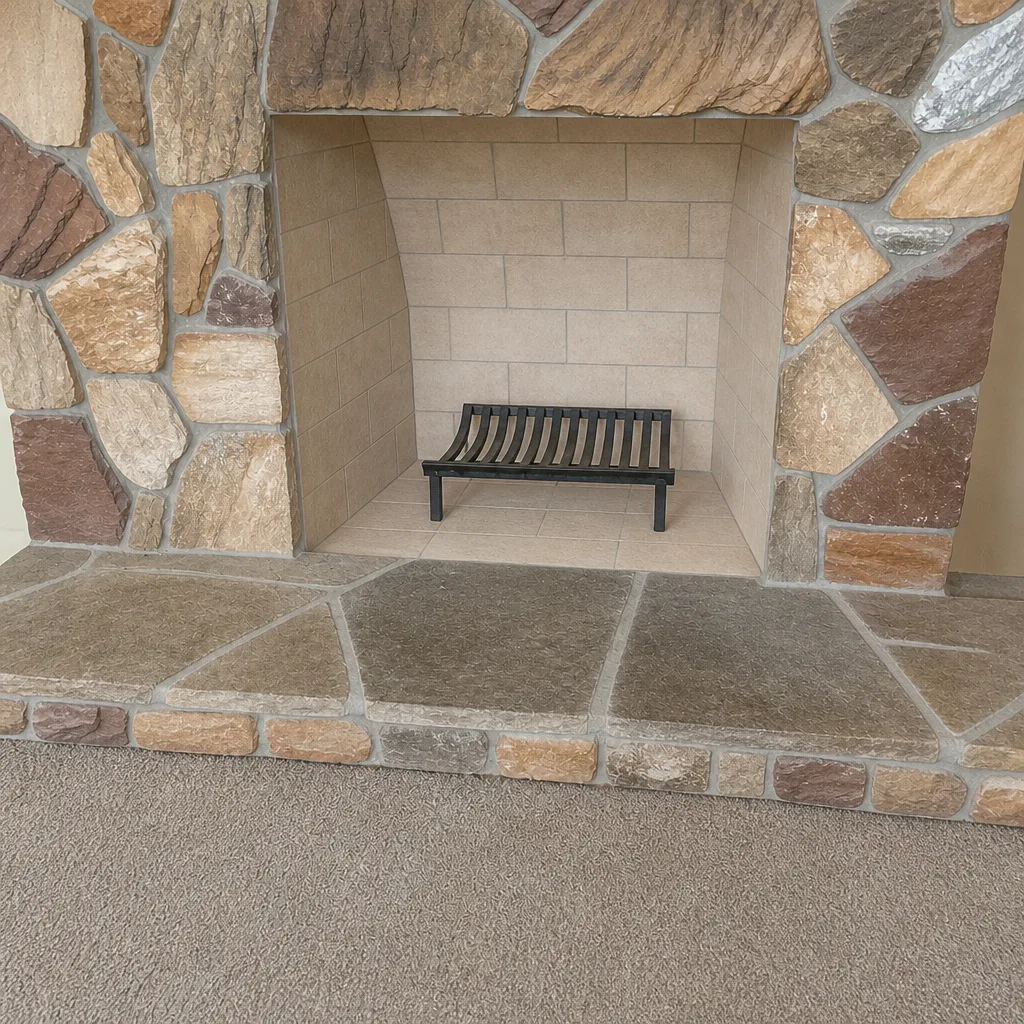
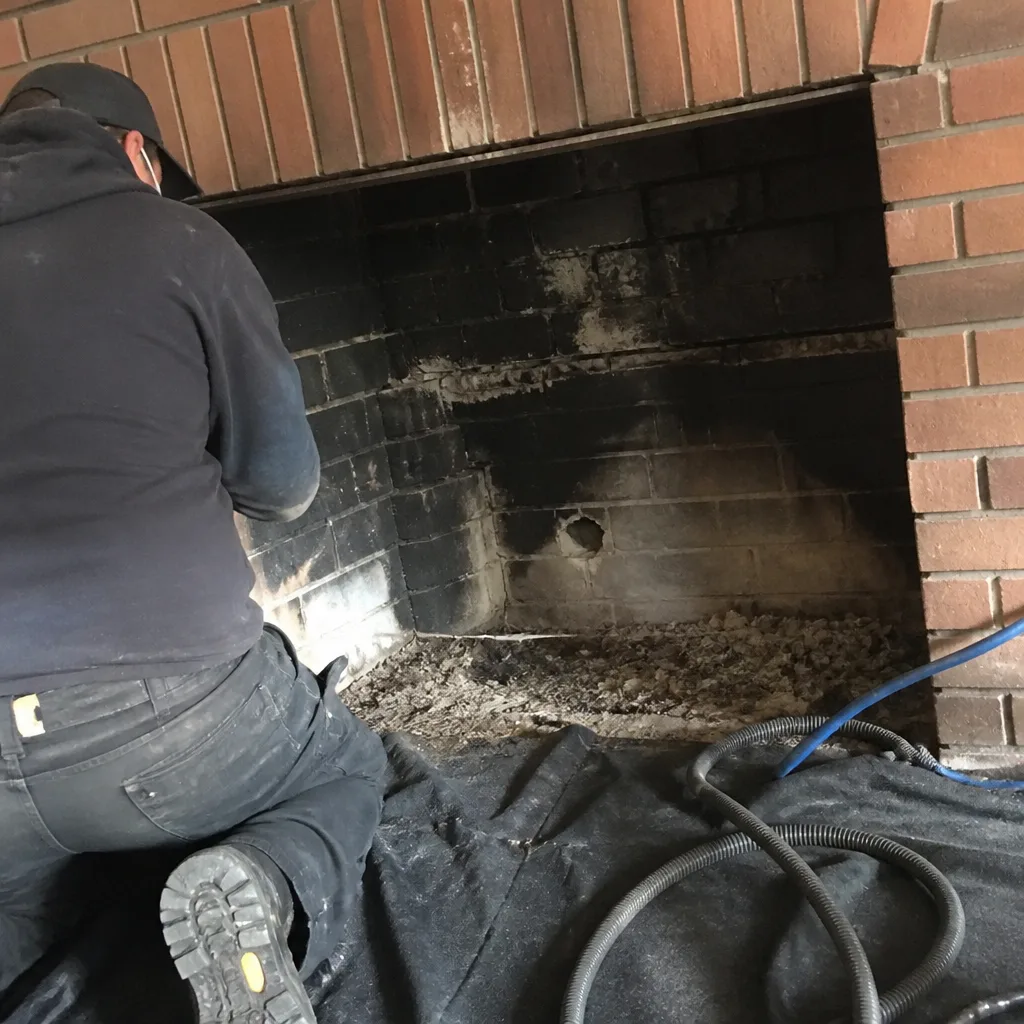
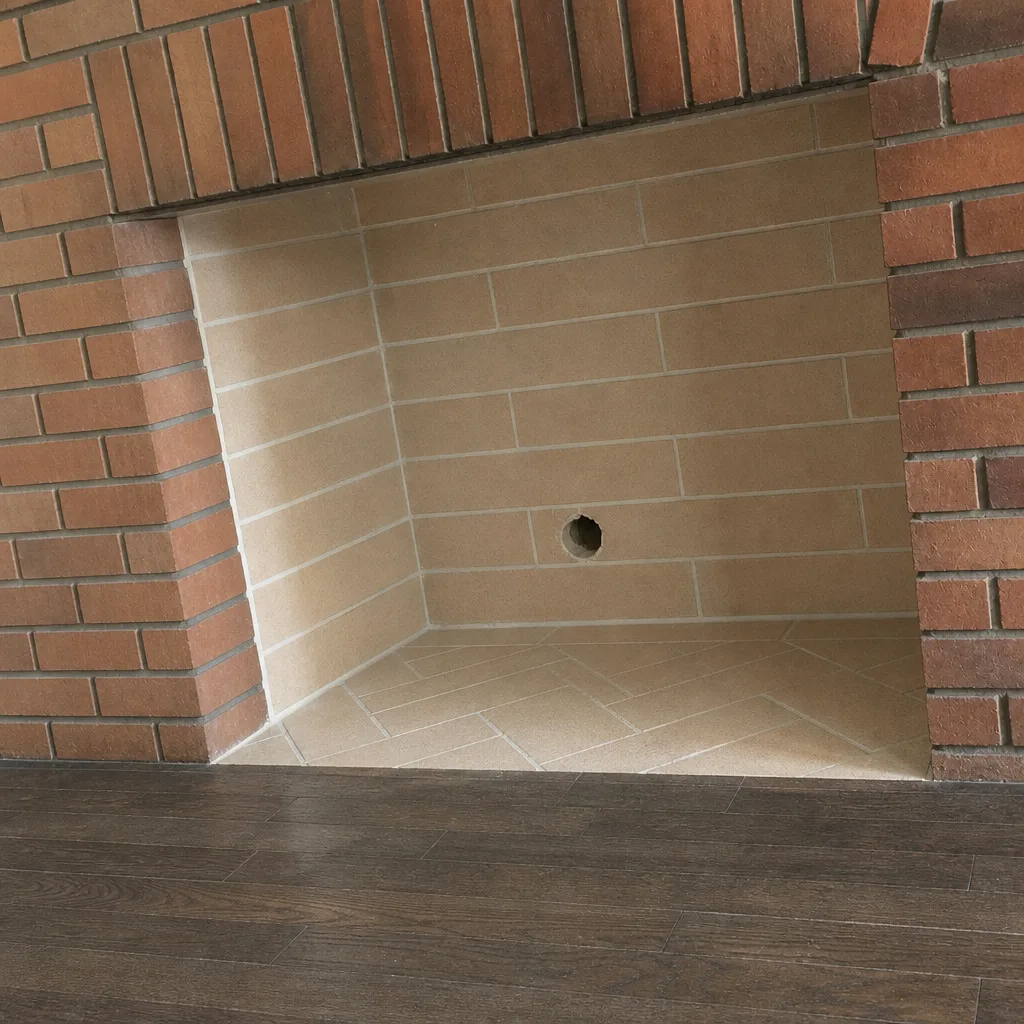
See the difference
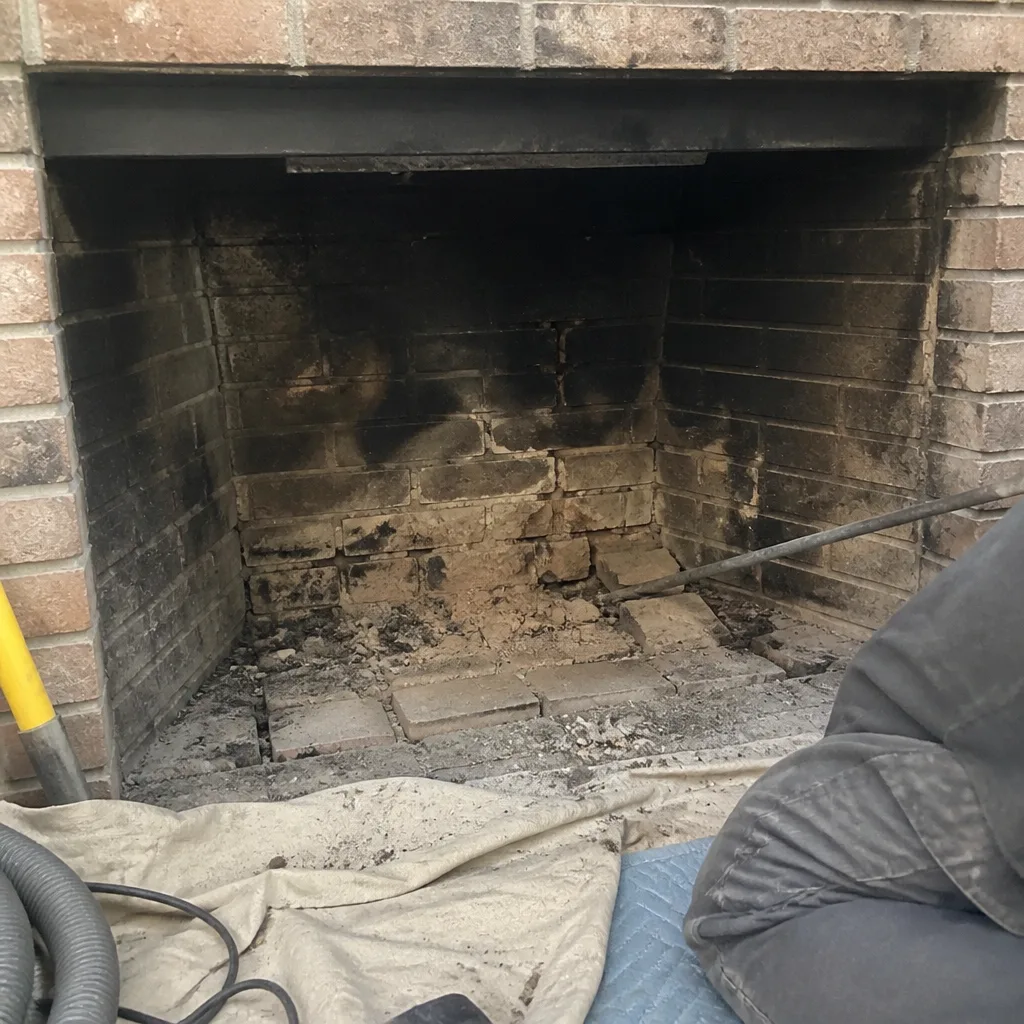 Before
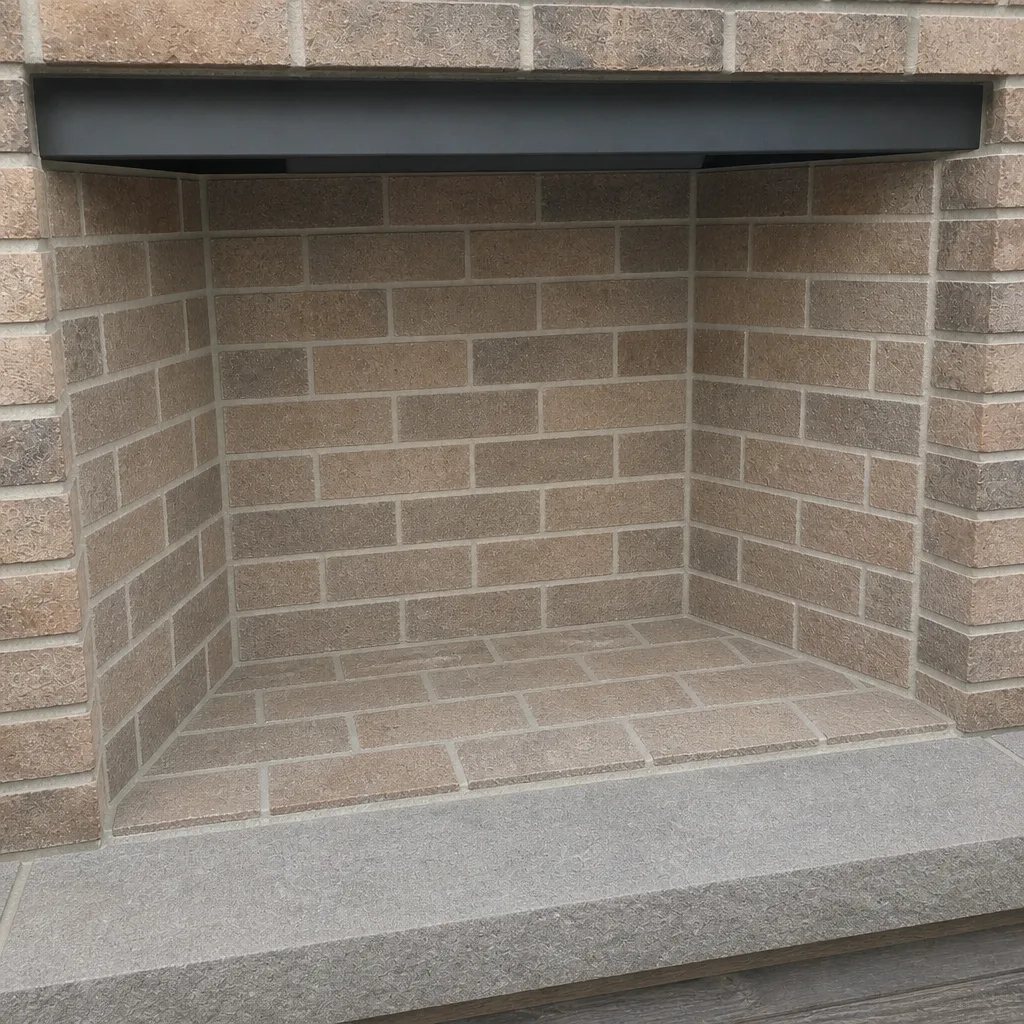 After
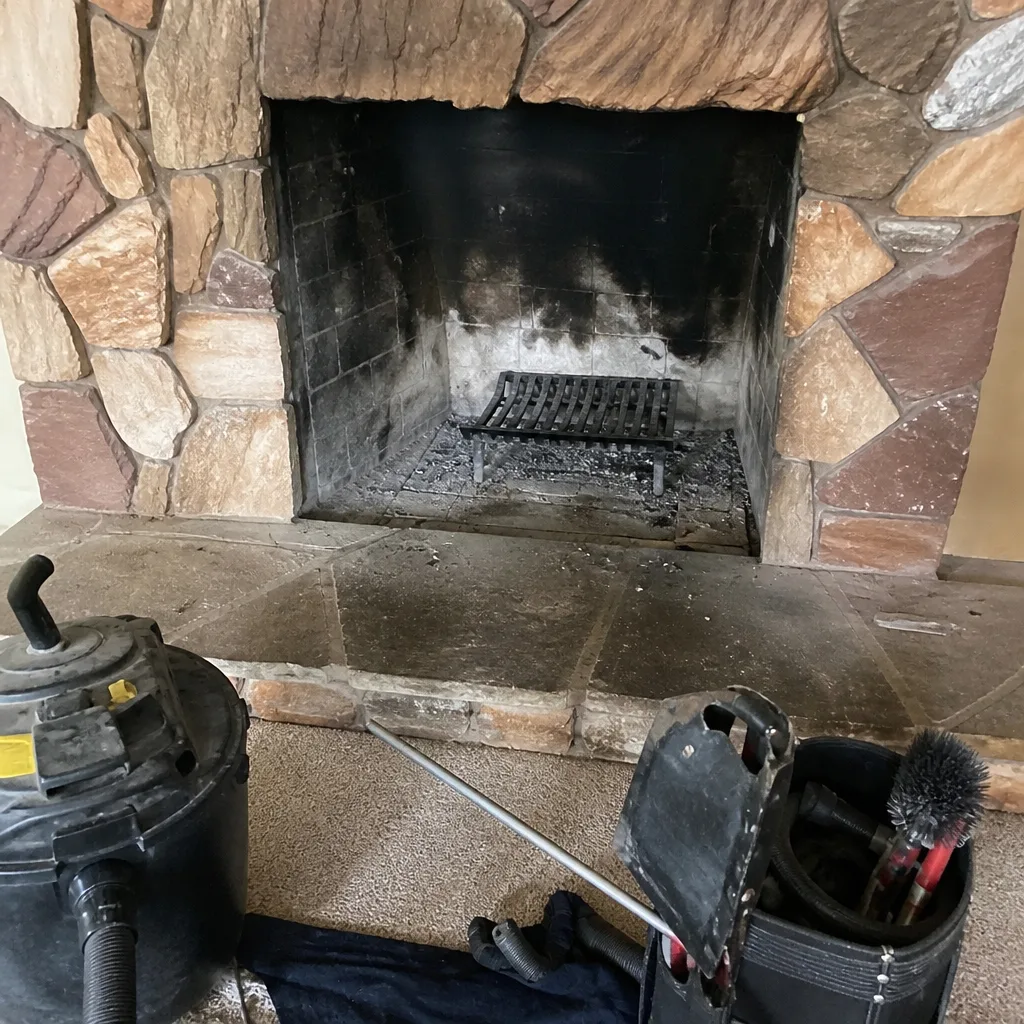 Before
 After
 Before
 After
When to Call a Professional
Call a professional whenever you’re not sure, and especially in these situations: you’re overdue for an annual sweep, you’ve never had the chimney inspected, you notice staining or water tracking on the masonry, you smell smoke in the room on a still day, or you’ve been told “your flue needs work” and want a second, documented assessment before committing. Any of those is a reason to get a real inspection with written findings. Chimney Sweep Orem offers free estimates in Orem. Call (855) 658-4390. We answer 24/7. Fast dispatch from 7am to 7pm, Sunday through Friday. A call outside dispatch hours is booked into the next opening.
Frequently Asked Questions
Chimney sweeps in the Orem area typically run in the low-to-mid two-digit-dollar range for a basic sweep, with inspection and any repair work priced separately. The written estimate sets the final price after the technician sees the system. Call (855) 658-4390 for an exact quote, estimates are free.
The best signal is third-party certification, specifically CSIA or NFI credentials the technician holds, plus verified insurance. “Licensed and insured” alone won’t tell you whether anyone can read a flue. Ask which certifications the technician coming to your home holds and whether the company inspects before it sweeps.
You need an inspection. A sweep cleans, but an inspection tells you whether the liner, crown, cap, and firebox are sound. Skipping the inspection hides problems that a sweep can’t see. Ask whether inspection is offered as a standalone service, because that’s the contractor most likely to catch real issues.
Yes, and you should when you can. A repair-capable company moves from diagnosis to fix without a second crew, including liner restoration with HeatShield and full relining with DuraFlex. A sweep-and-leave crew hands you off, which means a second booking and a second assessment. Ask the question before you book.
Ask for the photos and the written findings first. Nothing should be recommended that isn’t backed by evidence you can see, and a legitimate contractor will show the cracks or gaps. If the scope includes relining, ask whether HeatShield resurfacing could work first, since it’s a lower-cost repair in situations that don’t require a full reline.
Yes, in most cases. A cap keeps rain, snow, and animals out of the flue and is part of the listed system on many installations. In these dry, windswept valleys, a poorly fitted or unlisted cap can obstruct draft or come loose in high wind. Ask whether the cap is designed for your flue type before one is installed.
The Bottom Line
Hiring a chimney contractor in Orem comes down to whether the company can do more than clean. Inspect first, recommend second, and carry the capability to fix the finding without a second call. Ask the five diagnostic questions, compare quotes on scope rather than price, and hold the contractor to a written inspection report you can read without help. Watch for the Utah-specific traps around unlisted liners, missing permits, and mismatched caps. A real chimney specialist in Orem will answer all of it plainly. That’s the company worth hiring.
Ready to book? Call (855) 658-4390 for a free estimate. We answer 24/7. Fast dispatch from 7am to 7pm, Sunday through Friday.
Written by the team at Chimney Sweep Orem.